
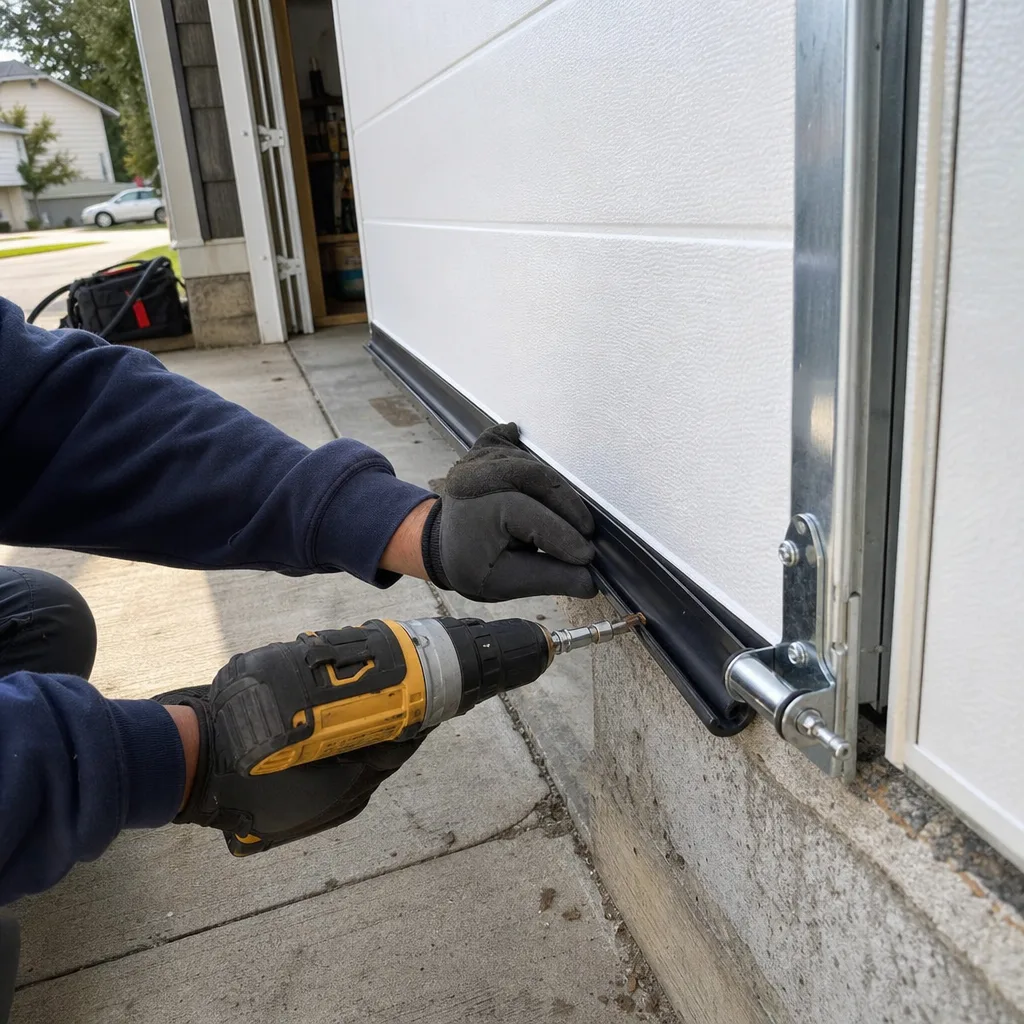
Last updated November 21, 2026
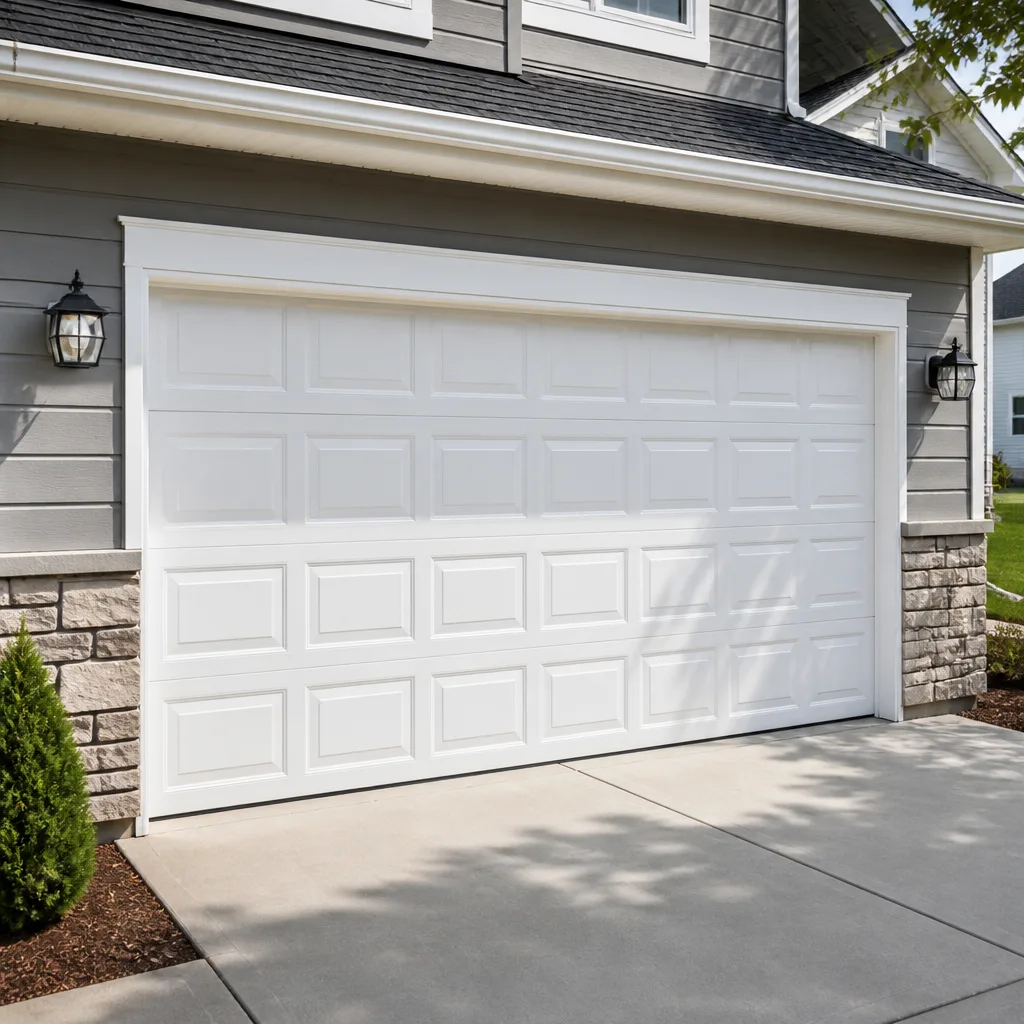 Raised-panel steel
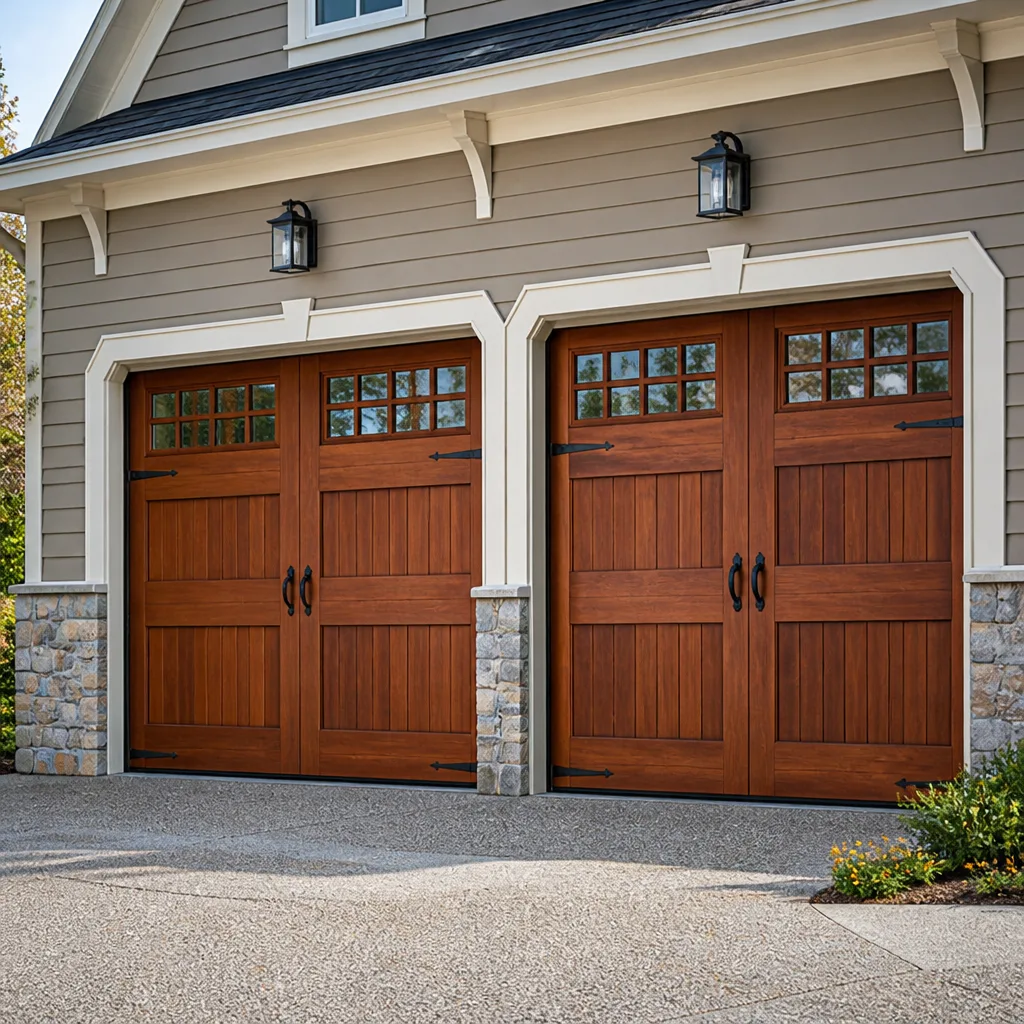 Carriage house
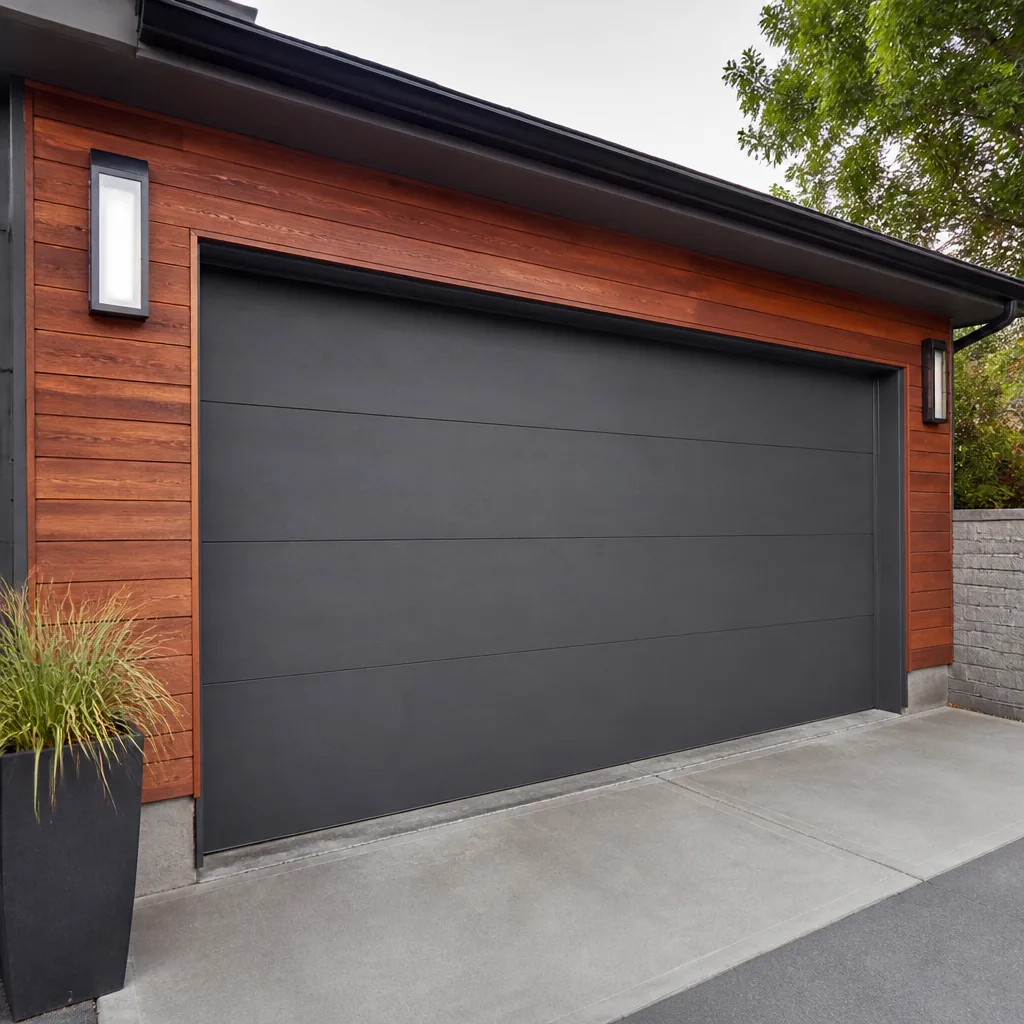 Modern flush
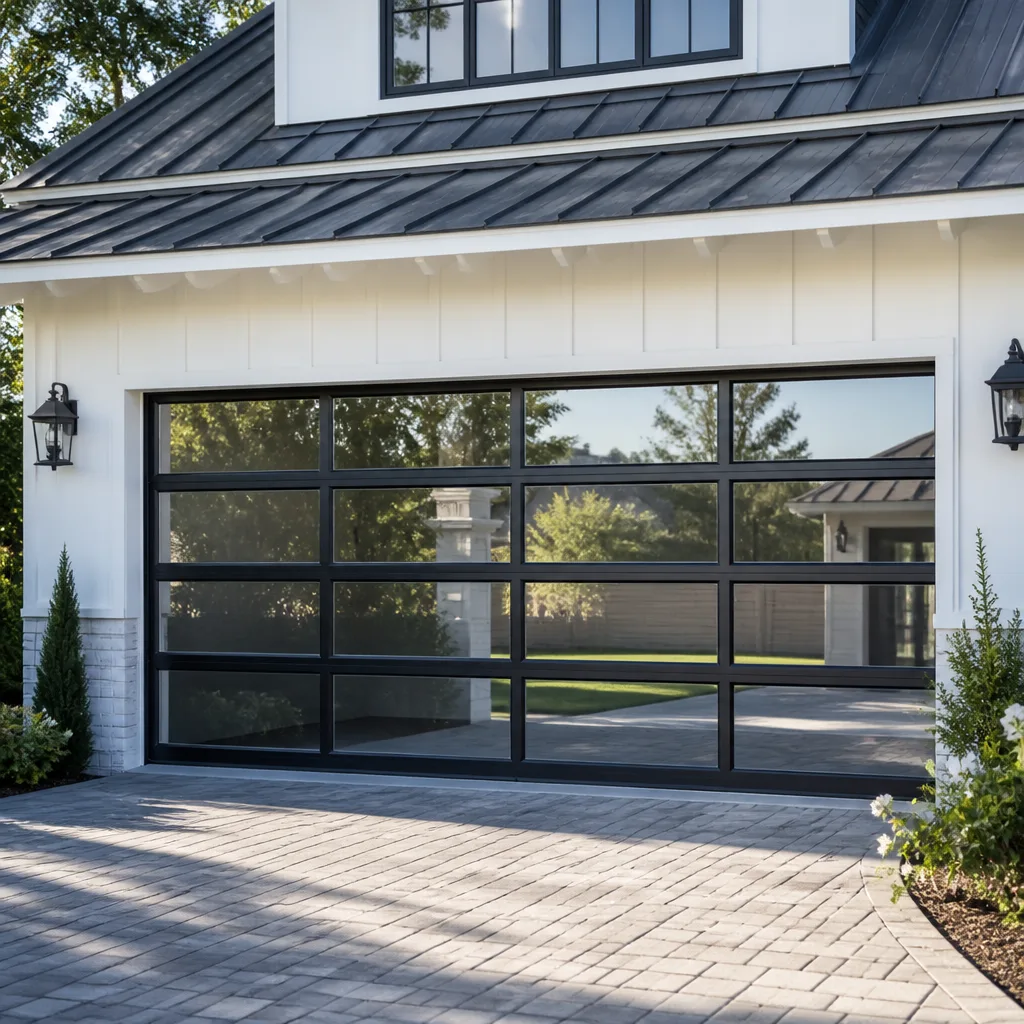 Full-view glass
 LiftMaster openers
 Chamberlain openers
Full 25-point door and opener safety check with every visit - springs, cables, rollers, tracks, and your LiftMaster or Chamberlain opener included
You get a price before we start. It does not change when the pro arrives.
Get your free estimateGarage Door Repair Troubleshooting in Tacoma: Common Problems and How to Fix Them
Most troubleshooting guides treat every garage door failure as an opener problem. That’s the wrong starting point. A door that reverses before it closes and a door that won’t open at all are two completely different systems failing, and the repair path diverges from the first minute. Garage doors fail in predictable patterns, and once you can read which system is talking to you, half the diagnostic work is already done. In this guide, we’ll walk through how to map your door’s specific behavior to the right system, what Pacific Northwest moisture does to hardware in Tacoma, and which problems are safe to check yourself versus which demand a trained technician.
Quick Answer
Most garage door problems fall into three categories: mechanical (springs, cables, rollers, hinges), electrical (opener, sensors, wiring, remote), or structural (track alignment, panel damage, frame settling). The single fastest diagnostic is the manual disconnect test: pull the release cord, then try lifting the door by hand. If it moves smoothly, the problem is electrical. If it won’t budge or feels impossibly heavy, the problem is mechanical. Any suspected spring or cable failure means calling a specialist, not tightening bolts yourself.
Styles & brands we work with
- Raised-panel steel
- Carriage house
- Modern flush
- Full-view glass
- LiftMaster openers
- Chamberlain openers
Table of Contents
- Symptom-to-System Mapping
- The Manual Disconnect Test
- Springs and Cables: The Safety Line
- How Tacoma Moisture Affects Door Hardware
- Opener and Sensor Problems
- Intermittent vs. Consistent Failures
- Safe Checks You Can Do Yourself
- Common Mistakes to Avoid
Symptom-to-System Mapping
Before you touch anything, watch the door and match what you see to a system category. This is the step most homeowners skip. A generic “garage door not working” search pulls up every possible fix, which is why people waste time on sensor cleaning when the torsion spring has snapped. Here’s the mapping we use:
- Door won’t move, opener hums, dead silence: Mechanical or electrical. The opener motor may be trying to lift a door with a broken spring, or the opener itself has failed. The manual disconnect test separates these two.
- Door reverses immediately when closing: Electrical. Almost always safety sensors or limit switch calibration. Rarely mechanical.
- Door travels halfway then stops or reverses: Electrical. Limit switch, travel adjustment, or a binding track that’s fooling the opener’s force sensor.
- Door sags at one corner or is visibly crooked: Mechanical or structural. Broken torsion spring on one side, snapped cable, or a roller off its track.
- Loud bang from the garage, door now too heavy to lift: Mechanical. Torsion spring failure. Stop here and call a technician.
- Door opens fine but won’t close, light blinks on the opener: Electrical. Blocked or misaligned safety sensor.
- Door shakes, rattles, or catches during travel: Mechanical. Worn rollers, loose hinges, or track alignment.
Notice how many items cross categories. That’s exactly the point: reading the symptom correctly narrows you down to two possibilities instead of ten. If the symptom points toward a mechanical failure that involves the springs or cables, stop your diagnostics right there and call someone trained for it.
The Manual Disconnect Test
Every garage door has a release cord, usually red and hanging from the opener trolley. Pull it, and the door disconnects from the opener motor entirely. Once it’s pulled, what your arms feel tells you exactly which system is failing:
- Pull the release cord. Make sure the door is fully closed before you do this.
- Try lifting the door by hand. Use the bottom lift handle, not the panel edges.
- If the door lifts smoothly and holds its position about halfway up, the mechanical system (springs, cables, rollers, track) is likely fine. Your problem is in the opener, sensors, or wiring.
- If the door feels heavy, won’t rise, or drops back down when you let go, the springs or cables have failed. Stop testing. A door in this state is under stored tension that can release suddenly.
- If the door binds, grinds, or comes off the track as you lift, you have a structural or mechanical alignment problem that needs to be corrected before the opener is reconnected.
We run this test on almost every diagnostic call. It takes under a minute and cuts the guesswork in half. Our technicians have up to 15 years of experience working on every opener brand, from Genie and LiftMaster to Chamberlain, and they can tell within seconds whether the door is fighting the opener or vice versa. If you’re not comfortable lifting a door, especially a wide or heavy double door, leave the disconnect test to a garage door repair visit instead.
Springs and Cables: The Safety Line
Torsion springs hold the entire weight of the door. When one fails, it’s dramatic, loud, and the door becomes too heavy for the opener to lift, which is why the motor often hums and then gives up. The spring is a coiled steel spring under thousands of pounds of stored tension. It is not a place for homeowner adjustment. Loosening a set screw, releasing a winding bar, or cutting a cable the wrong way can cause serious injury. That’s not a cautious disclaimer, it’s the physical reality of the component.
Here’s how to tell if a spring has failed without touching anything:
- A visible gap in the torsion spring coil above the door (a clean break you can see)
- A loud bang from the garage that happened at a specific moment
- Door opens an inch and stops, or won’t lift at all from a closed position
- Extension springs stretched out of shape or a broken safety cable on a side-mounted spring
If any of those describe your Tacoma door, call a specialist. Spring repair is one of the two jobs on this trade’s list (the other is torsion spring replacement on a heavy commercial-style door) that should never be handled through guesswork. When our team replaces a spring, we match the spring to the door’s weight and lift mechanism rather than picking a replacement by eye. A spring that’s too stiff or too light for your Clopay or Amarr door will fail prematurely or leave the door unbalanced. If we’re installing a spring on a new door, we plan it before we order it.
How Tacoma Moisture Affects Door Hardware
Tacoma’s climate is gentle in temperature and humidity in a way that’s kind to a lot of things but hard on garage hardware. Groundwater, foundation moisture, and the wetter months put a steady moisture load against the bottom of your door and the lowest parts of the track. That creates three recurring problems we see across the city:
Wood door warping
A wood garage door absorbs moisture into the bottom rails and panel joints. Over a few wet seasons, panels can bow slightly, causing the door to scrape against the jamb or bind in the track. Wayne Dalton wood doors are common in Tacoma’s older neighborhoods, and the fix is often adjusting the track or the hinges before the door warps further. Left alone, warping accelerates.
Torsion spring coil corrosion
The bottom coils of a torsion spring sit closer to the moisture drawn up from the concrete. On springs that live near a damp garage floor, surface corrosion speeds up the point where the coil fatigues and snaps. Fewer cycles but more moisture can wear a spring out faster than heavier use in a drier climate. When we replace a spring, we check the surrounding coils for early fatigue signs so you’re not back in six months.
Sensor bracket rust and misalignment
The safety sensors mount to a bracket near the floor, about six inches up the track. In damp garages, that bracket rusts, and the sensor housing drifts a few degrees off alignment. That drift causes the door to reverse immediately on closing, sometimes intermittently. Cleaning the sensor lens won’t fix an alignment problem caused by a bracket that has shifted. Realigning the bracket and re-checking the beam is the fix.
If your Tacoma house sits on a lot with high groundwater or a crawlspace that stays damp through spring, expect slightly shorter intervals between hardware checks than you’d see in a drier climate. It’s worth an annual look at the track, rollers, and bottom seal.
Opener and Sensor Problems
If the manual disconnect test pointed at the electrical system, you’ll have a much shorter diagnostic path. Most opener failures are one of four things: sensor blockage, limit switch calibration, remote battery or pairing, or opener motor failure. Here’s what to look for, in rough order of frequency:
- Safety sensors: Are both LEDs on (usually one amber, one green)? If one is off, the beam isn’t being received. Look for spiderwebs, dust, or a knocked sensor bracket, and check that the two sensors face each other squarely.
- Limit switch: If the door opens but not far enough or closes but stops short, the travel limits need adjusting. This is a slow-drifting setting on many openers and shows up as “the door used to close all the way but now stops two inches short.”
- Force adjustment: If the door reverses on contact with a small obstacle or reverses halfway with nothing in the way, the opener’s force sensor may be set too tight or a binding track is misleading it.
- Wall control or remote: If the door opens from the wall button but not the remote, the remote battery or the pairing is the issue. If neither works, the opener logic board or a safety sensor is the more likely culprit.
We work on the openers already on your ceiling – LiftMaster, Chamberlain, Genie, Craftsman, Raynor – without pushing you toward a proprietary replacement system. If the current opener can be repaired properly, that’s the garage door opener repair we do. If the opener is older and the repair makes less sense than replacement, we’ll tell you that plainly when we quote the work. Either way, the price is set by the written estimate before any work starts.
Intermittent vs. Consistent Failures
A door that works nine times out of ten and fails on the tenth is often more urgent than a door that has stopped entirely. Here’s why. A door that fails consistently is a known failure: the opener won’t run, the spring snapped, the sensor is dead. You’ve stopped using the door and you’re waiting for repair. An intermittent door is still being used, still moving, and still hiding the fault. An off-track roller or a partially fatigued spring that binds periodically is an accident waiting for the wrong cycle.
Common intermittent failures we help Tacoma homeowners sort out:
- Reverses before it closes “sometimes”: Usually a safety sensor drifting in and out of alignment as the door structure shifts through temperature swings. The bracket rusts, the beam goes in and out of the receiver’s field. This looks electrical and is almost always a hardware alignment fix.
- Door opens fine, then won’t close half an hour later: Limit switch drift, or the opener thinking the door is already closed. Diagnostics need the door in the failed state.
- Rattles on some days and is quiet on others: A worn roller or loose hinge that binds under specific load. It becomes a bigger repair if ignored.
- Remote works from the driveway but not from the kitchen: Weak remote battery or interference. Fix the remote, not the door.
The frustrating part of intermittent problems is that they often disappear the moment a technician arrives. The best thing you can do is note the exact behavior: which cycle it fails on (opening or closing), whether the light on the opener blinks, and whether it happens at the same spot on the track. Write it down. That note is often worth more than the visit itself. If the door fails while it’s open and won’t close, don’t keep forcing it. Call (844) 709-1359. We answer 24/7. Fast dispatch from 7am to 7pm, Sunday through Friday.
Safe Checks You Can Do Yourself
The line between “safe to check” and “call a technician” is drawn at stored energy. If the task involves spring tension, an unwinding cable, or the door’s weight, it’s a call. Everything else, homeowners can safely look at:
- Clean the safety sensor lenses. Wipe both sensor eyes with a soft dry cloth.
- Check the sensor LED status. Both should be lit. If one is dark, look at the bracket alignment before assuming the sensor is bad.
- Test the door’s reversing safety feature. With the door open about a foot, place an object in its path and close the door. It should reverse. If it doesn’t, the opener needs service.
- Look at the rollers and hinges. Visible cracks, flattened wheels, or loose hinge plates are worth flagging, not tightening if the door is under tension.
- Inspect the track visually. Look for bends or dents at the curve where the horizontal track meets the vertical. Do not try to bend a track back into alignment.
- Change the remote battery. A dead coin cell is the most common “my opener died” call.
- Check the bottom seal. A torn or missing seal lets moisture under the door, accelerating the corrosion described above.
What you should never touch: torsion springs, their set screws, the winding bars, the cables, or anything that requires removing the track bolts while the door is connected to an opener. If a check requires loosening hardware on a door still under spring tension, it’s a job for a technician. Not a handyman, not a general contractor, not you. A Tacoma Garage Door Repair Pros technician arrives trained for the specific tension risk of a garage door spring.
Common Mistakes to Avoid
- Replacing the opener when the spring failed. If the door won’t lift, people sometimes assume the opener motor has died. It’s often working perfectly and just can’t lift the weight. The manual disconnect test reveals the difference before you spend money on the wrong repair.
- Tightening a loosened set screw on a torsion spring. The set screw holds the spring’s tension. Tightening or loosening it without winding bars can release that tension instantly. Leave it alone.
- Spraying lubricant on the tracks. Lubricant on the tracks attracts grit and makes rollers slide rather than roll, which worsens binding. Lubricant goes on the rollers, hinges, and spring coils, not the track surface. In Tacoma’s damp months, a light check of the rollers and spring coils is more useful than a spray-down of anything.
- Forcing a door that has come off the track. A door that’s jumped a roller is unbalanced and can fall off the track entirely if forced. Stop, leave it in place, and call a technician.
- Using a bent track as a “DIY fix.” Bending a track back with a pipe wrench often cracks the steel and misaligns the door’s travel path. Replacement is more reliable than bending.
- Ignoring an intermittent problem until it becomes consistent. Intermittent failures are the ones being tested again and again by the door in use. They’re often more dangerous, not less.
- Skipping the annual hardware check because the door “works fine.” Rollers, hinges, and the bottom seal wear slowly, and a small $15-part problem avoided turns into a spring replacement or new door hardware issue in a Tacoma garage where moisture is a factor.
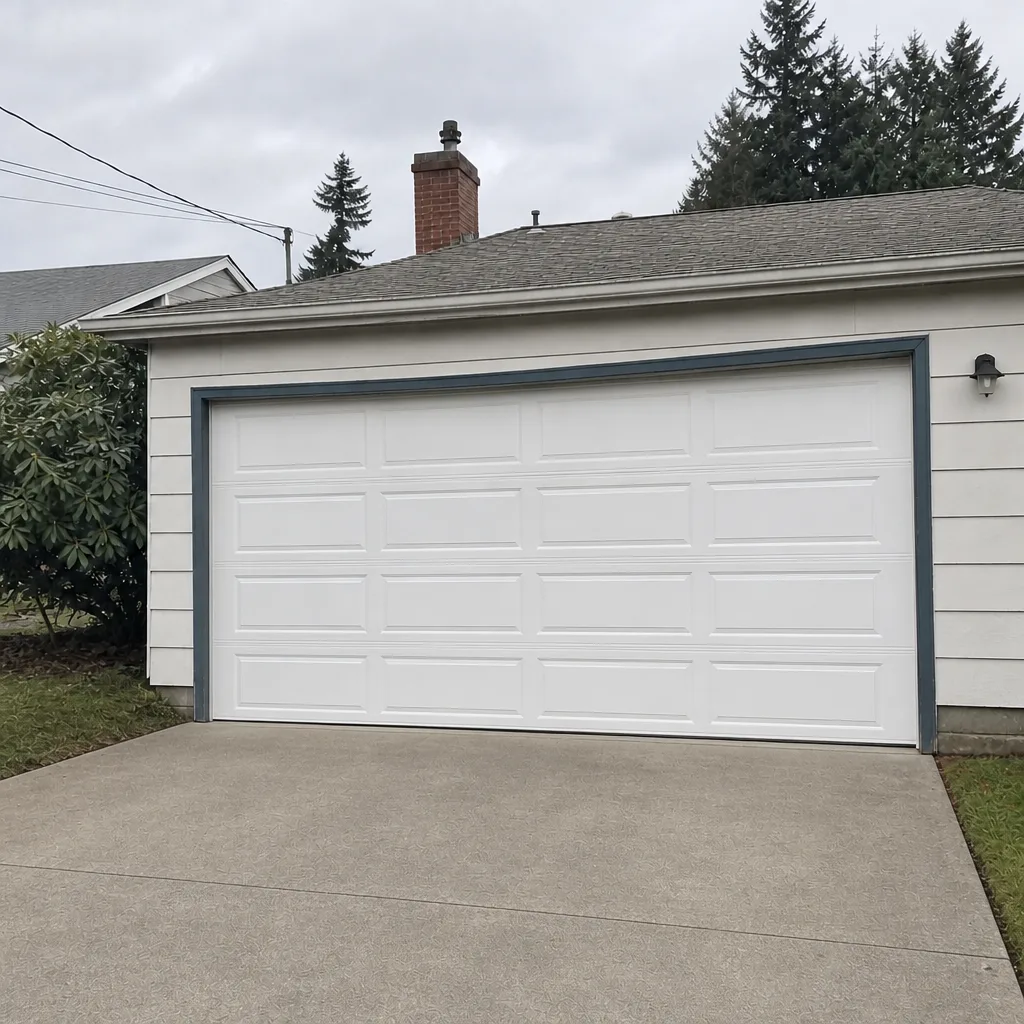
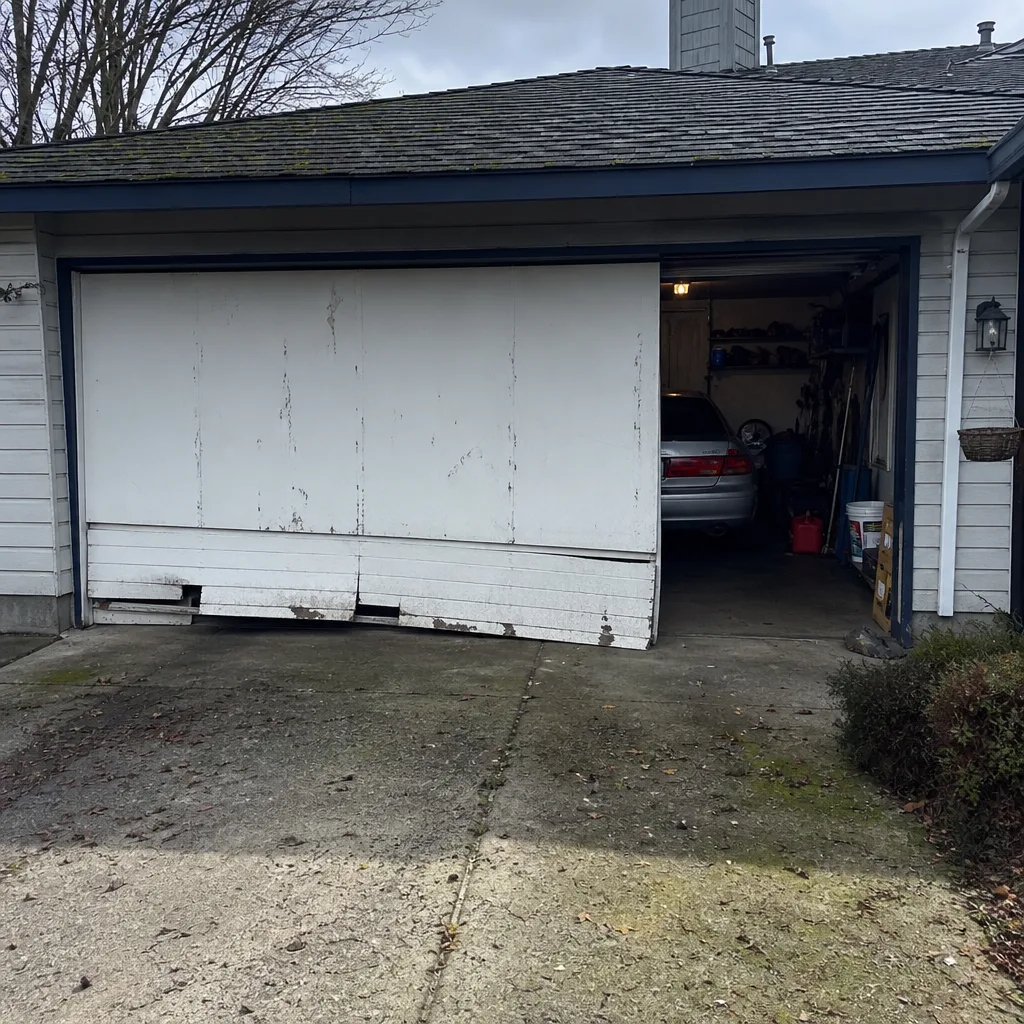
See the difference
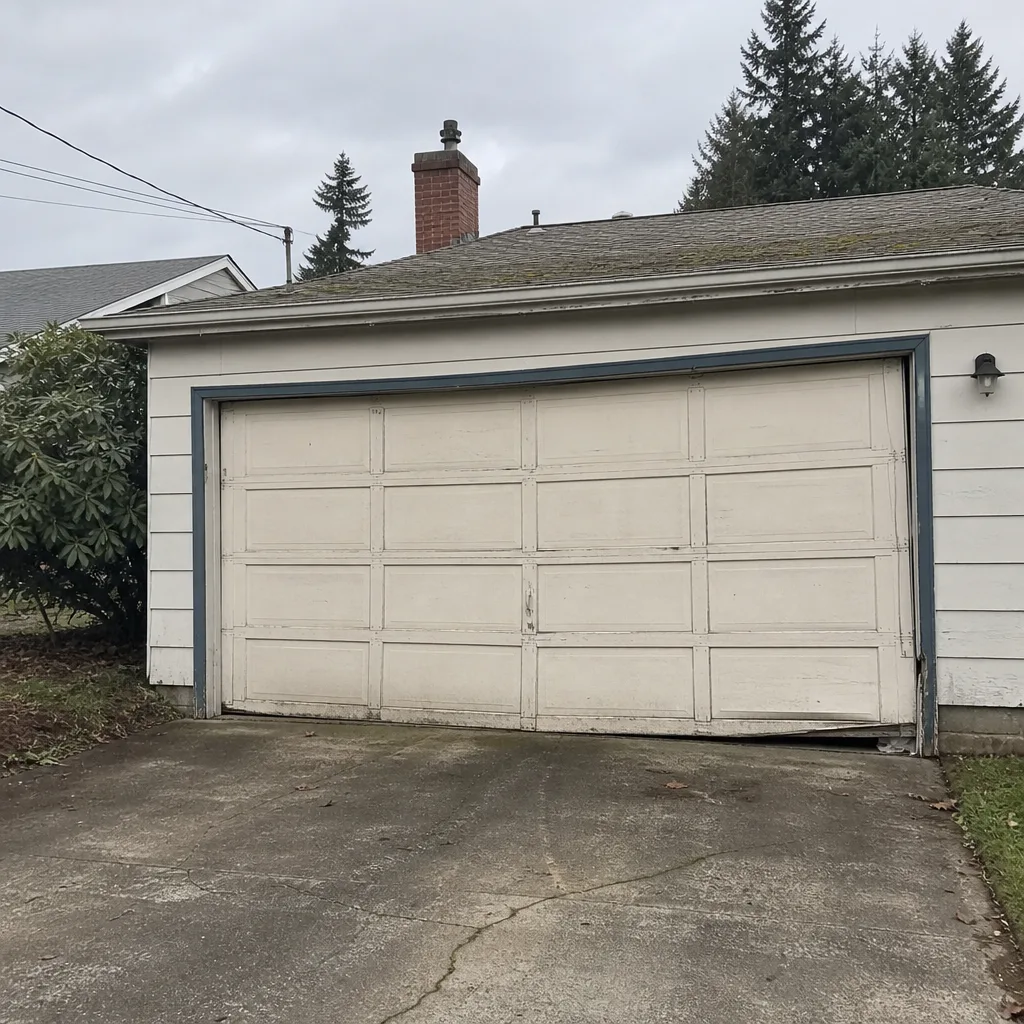 Before
 After
 Before
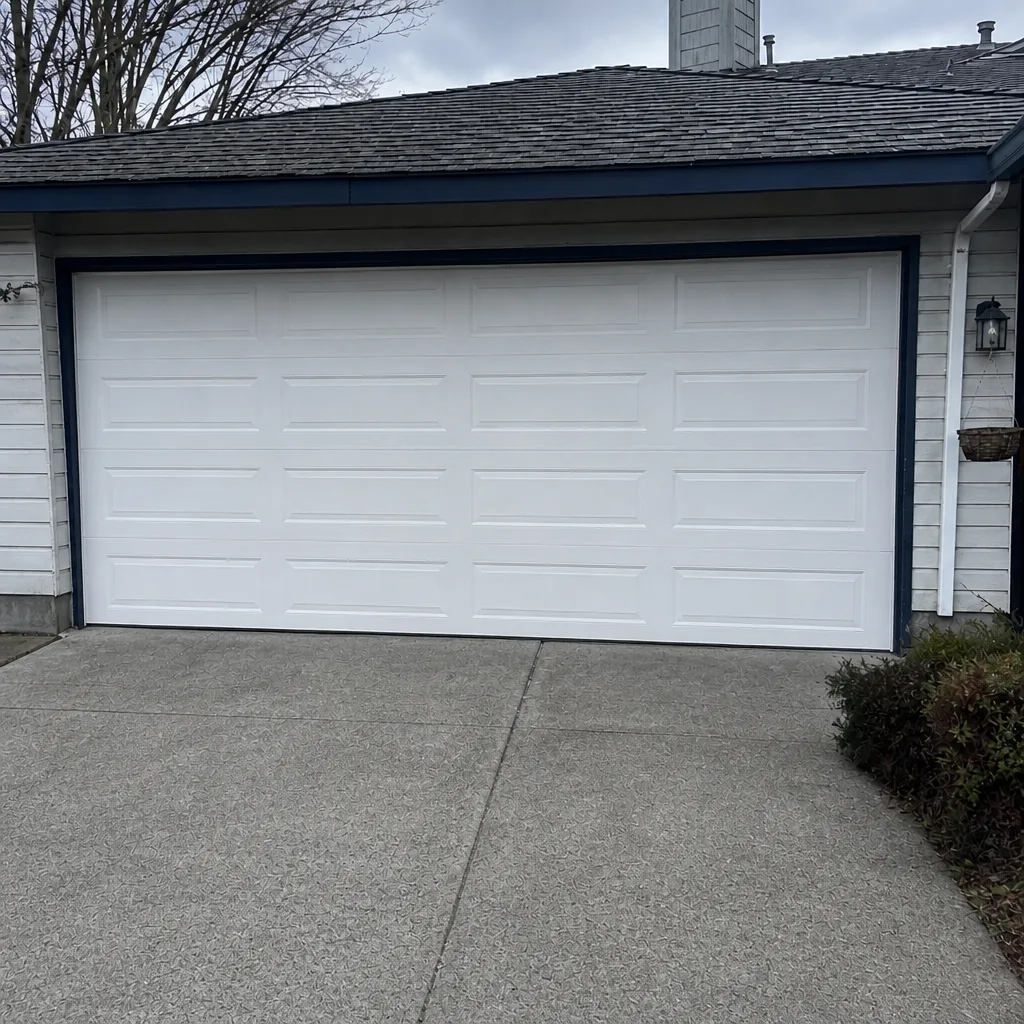 After
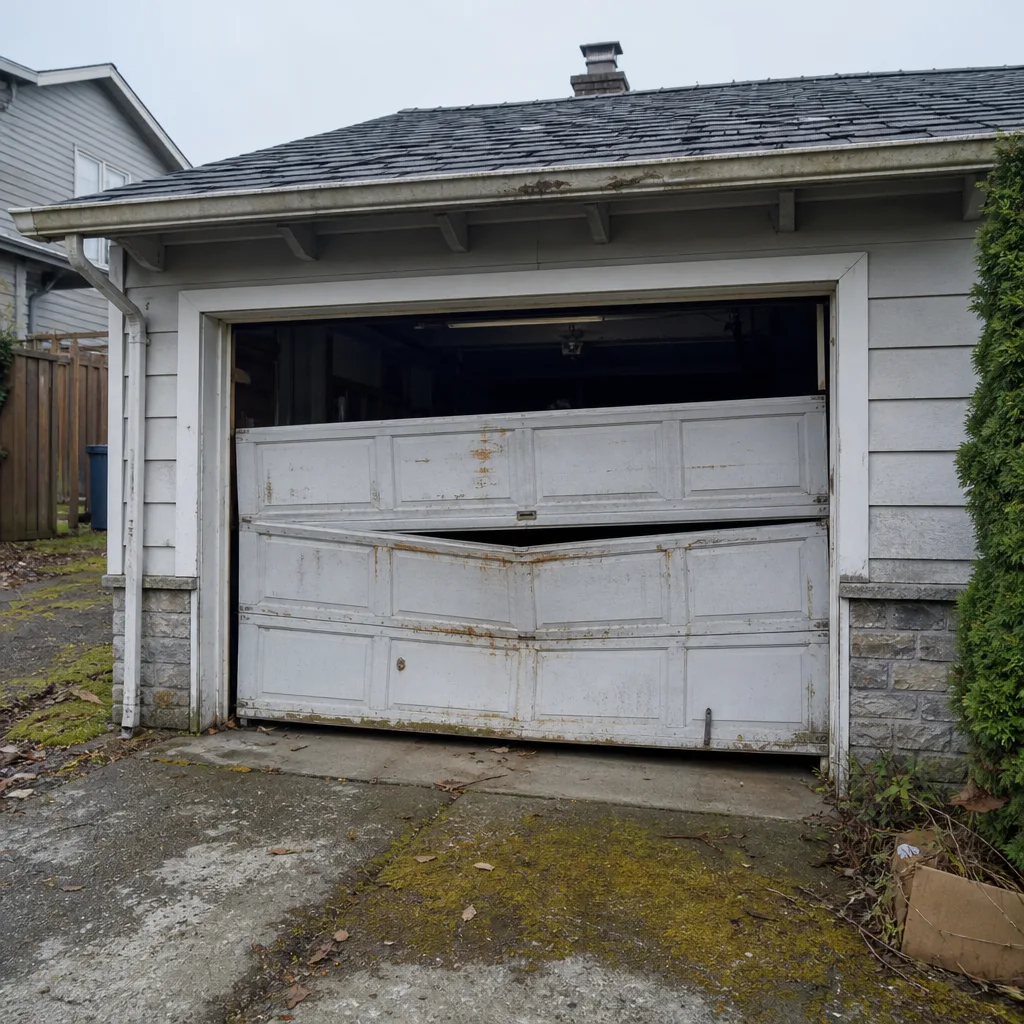 Before
 After
When to Call a Professional
Call a garage door technician when the door won’t lift, when the spring is visibly broken, when a cable is loose or dangling, when the door is off its track, and when the safety reversing test fails. Those are the categories that involve stored tension or door weight and can cause injury. Also call if you’ve replaced the remote battery and cleaned the sensors and the opener still does nothing, because you’re likely facing an opener motor or logic board issue that requires a technician and a brand-specific part. Tacoma Garage Door Repair Pros offers free estimates in Tacoma: call (844) 709-1359. We answer 24/7. Fast dispatch from 7am to 7pm, Sunday through Friday. If your door is stuck open and your home isn’t secure, call immediately – a door that won’t close is a priority repair, not a next-week item.
Frequently Asked Questions
Diagnostic visits for a garage door in Tacoma are usually free when we provide the estimate; typical repair pricing depends on the part and labor, and you’ll get an exact price in the written estimate before any work starts. Spring repair, opener repair, and hardware work are quoted separately. Call (844) 709-1359 for a free estimate on your specific door.
Yes, a door that won’t close is treated as a priority call, and same-day service is often available for urgent situations. We answer 24/7 and dispatch technicians from 7am to 7pm, Sunday through Friday. Call (844) 709-1359 for the fastest response.
No. The price is quoted and agreed before any work starts, and the written estimate is the final price. If the diagnostic reveals a different problem than expected, we’ll explain it and re-quote before continuing. There are no surprise charges added after the fact.
The local professionals we connect you with are licensed and insured as their state requires, and they specialize in garage doors only. Our team trains on every major opener and door brand, including LiftMaster, Genie, Clopay, Amarr, Wayne Dalton, Chamberlain, Craftsman, and Raynor. Call (844) 709-1359 to book a free estimate.
Almost always a repair, not a replacement. Intermittent reversal in a Tacoma garage is usually a safety sensor that has drifted out of alignment because the bracket has been affected by moisture in the garage. A technician can realign the bracket and re-aim the sensor in a single visit. Call (844) 709-1359 and describe the pattern – a technician will know what to check first.
No. A torsion spring is under thousands of pounds of stored tension, and a mistake during replacement can cause serious injury. This is the one repair we always recommend leaving to a trained technician with the right winding bars and safety equipment. Call (844) 709-1359 for spring repair – it’s one of our core services and the quote is free.
The Bottom Line
Most garage door troubleshooting in Tacoma comes down to three root causes: mechanical failures like springs and cables, electrical faults in the opener and sensors, and moisture-driven hardware wear that gets worse through the Pacific Northwest wet months. The manual disconnect test tells you which category you’re facing in under a minute. Springs and cables always need a specialist; sensors, remotes, and visual hardware checks are safe to inspect yourself. If a symptom fits more than one category and the door is still moving without warning, treat it as urgent and call. For a garage door installation or a repair, a trained specialist in Tacoma can diagnose and quote the same visit. Call (844) 709-1359 and the estimate is free.
Written by the team at Tacoma Garage Door Repair Pros.