
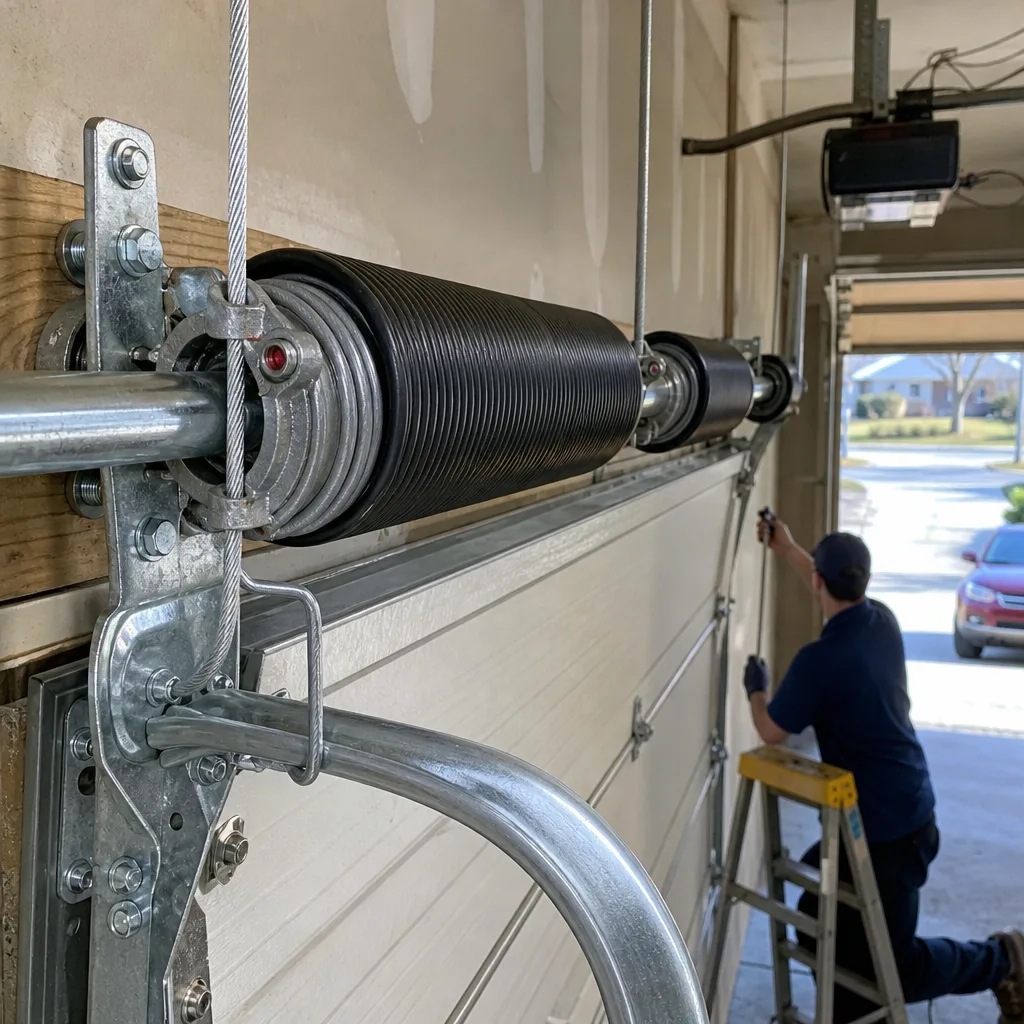
Last updated November 21, 2026
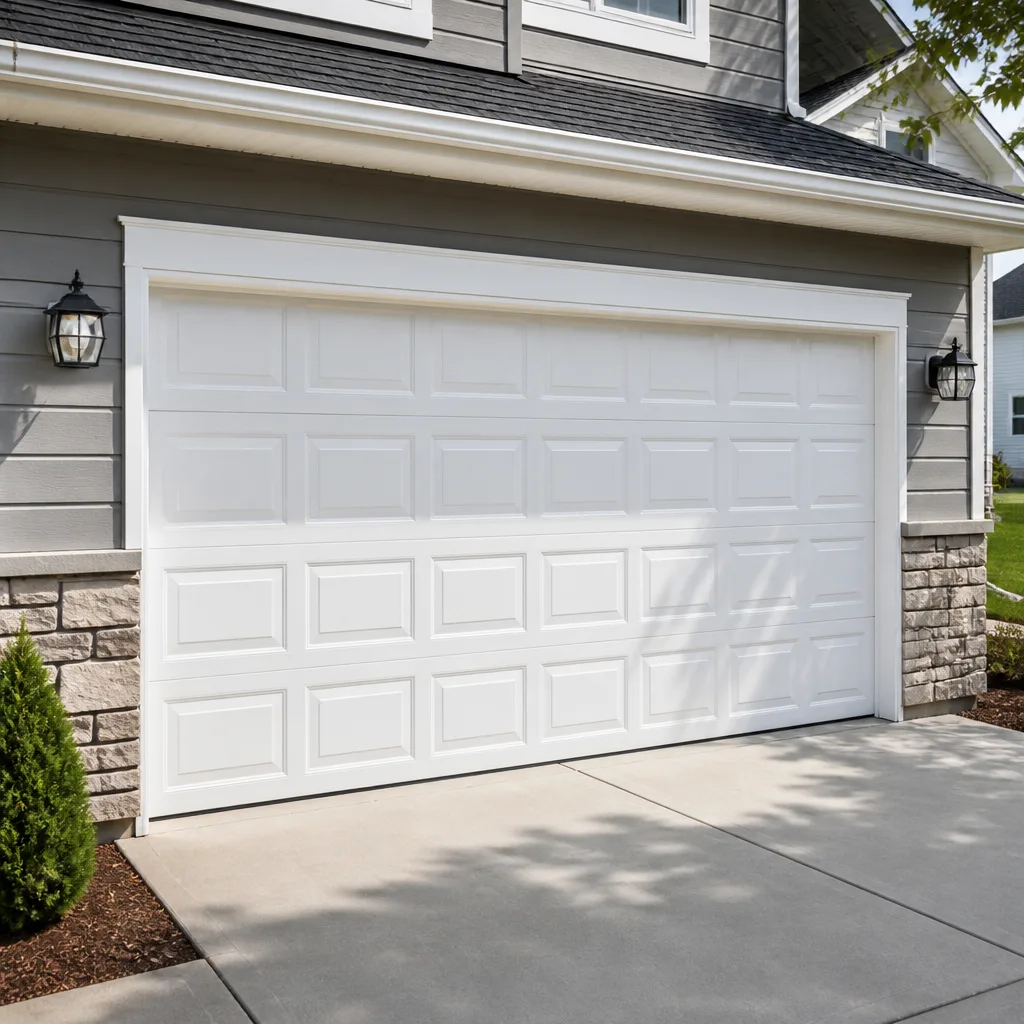 Raised-panel steel
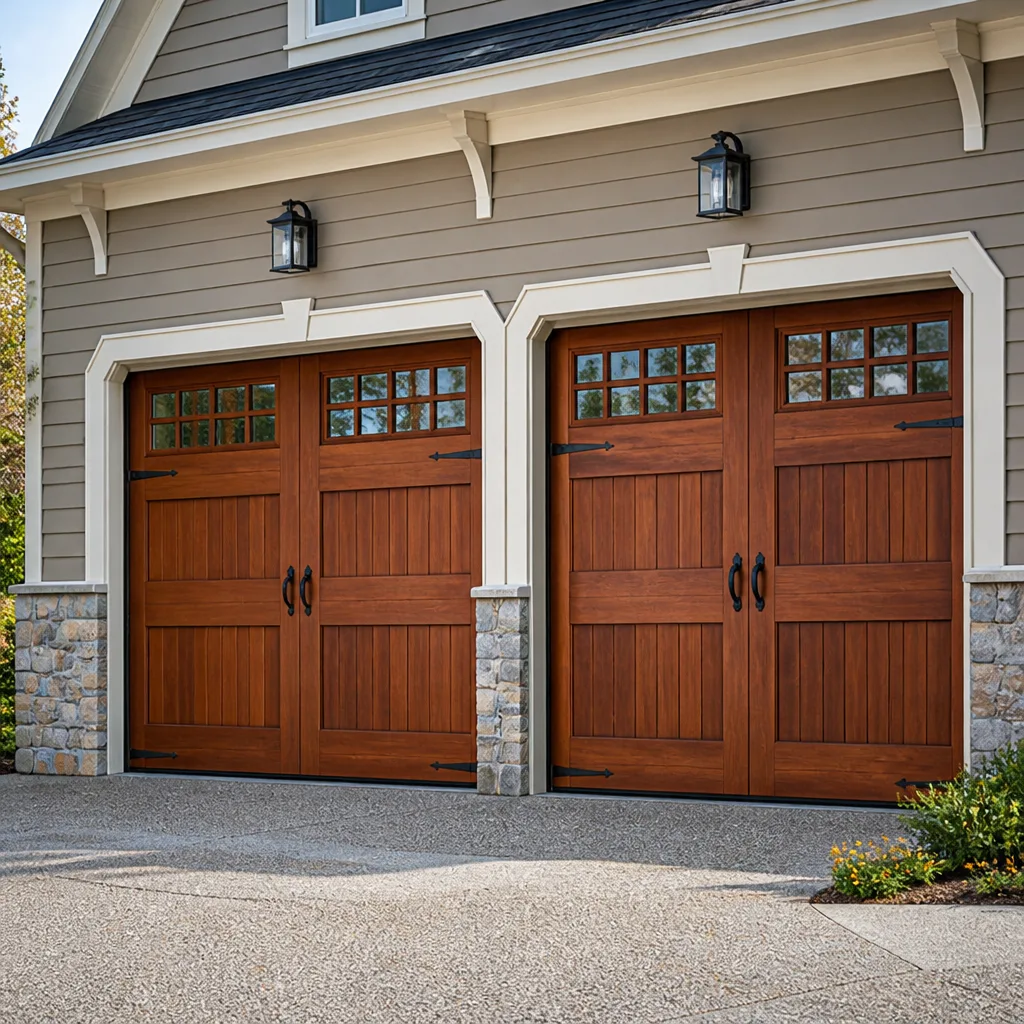 Carriage house
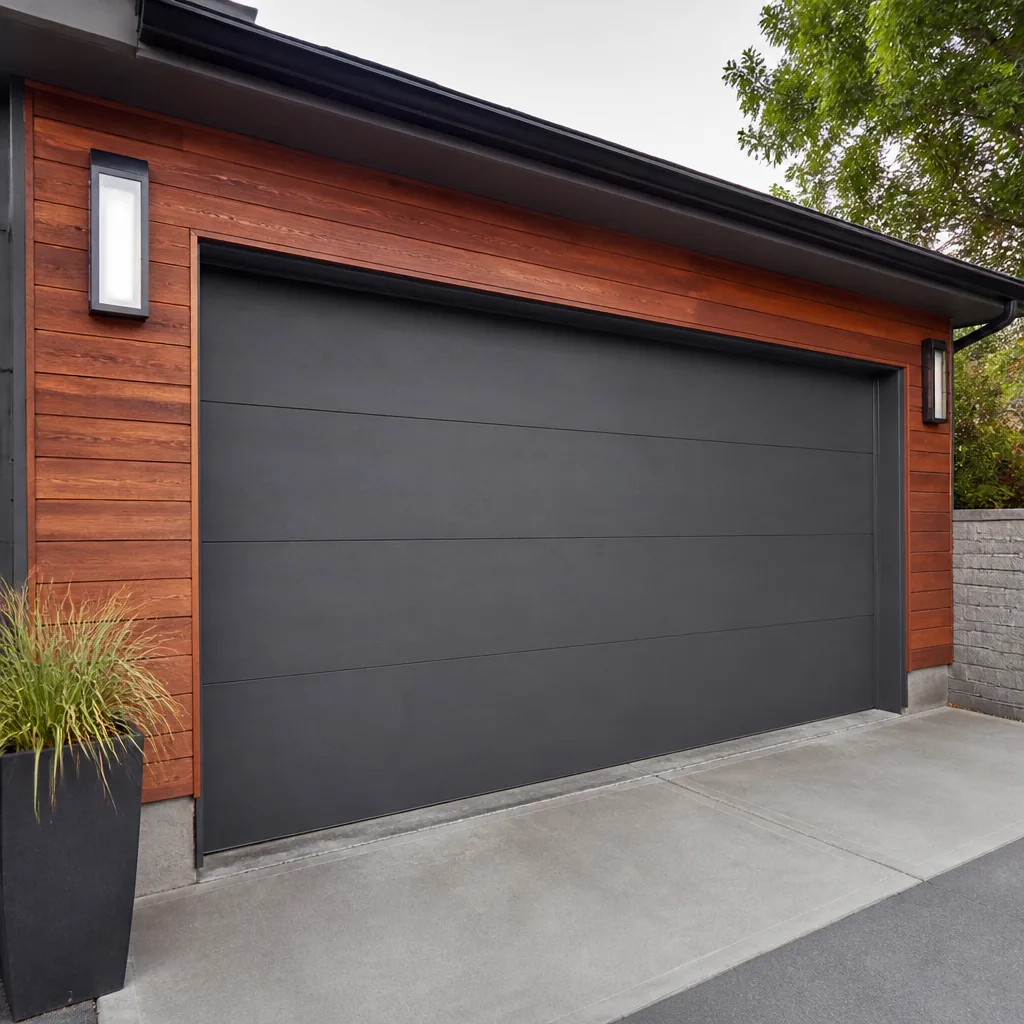 Modern flush
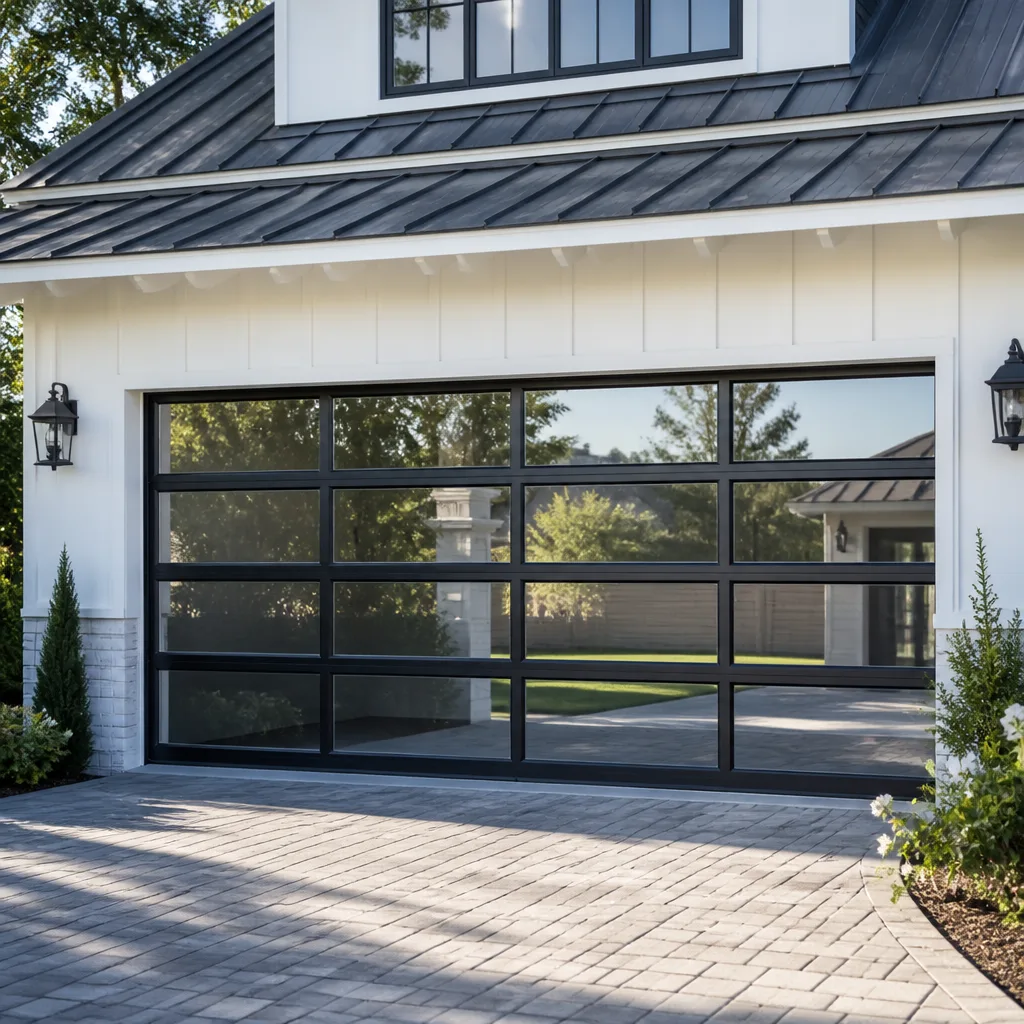 Full-view glass
 LiftMaster openers
 Chamberlain openers
Full 25-point door and opener safety check with every visit - springs, cables, rollers, tracks, and your LiftMaster or Chamberlain opener included
You get a price before we start. It does not change when the pro arrives.
Get your free estimateGarage Door Repair Maintenance Schedule: What to Do and When
The “lubricate once a year” advice was written for a door that opens twice a day. If your household runs four cars, your springs are aging four times faster than that schedule accounts for. Cycle count, not the calendar on the wall, is what actually ages a garage door. Here in Tacoma, the wet season piles on top of that: water sneaking under the bottom seal, damp air working on steel springs, and sensors that drift when temperatures swing. This guide shows you how to build a maintenance schedule around how often your door actually moves, what to check in under three minutes a month, why the product you grab off the shelf matters, and when a professional tune-up pays for itself.
Quick Answer
Match your inspection frequency to your door’s daily cycle count, not the calendar: a light-use door (two cycles a day) needs a visual check every two months and a professional tune-up yearly, while a four-car household running eight to ten cycles a day needs a monthly check and a tune-up twice a year. In Tacoma, add one extra round of prep in late September, before the October to February wet season, to catch swollen bottom seals, corrosion on springs and drifting safety sensors. Lubricate moving metal parts twice a year with silicone spray or white lithium grease – never WD-40.
Styles & brands we work with
- Raised-panel steel
- Carriage house
- Modern flush
- Full-view glass
- LiftMaster openers
- Chamberlain openers
Table of Contents
- Why Cycle Count Beats the Calendar
- How to Estimate Your Door’s Annual Cycles
- The Five-Point Monthly Visual Check
- Tacoma Wet-Season Prep: October Through February
- Lubrication: What to Use, What to Avoid
- When a Professional Maintenance Visit Pays for Itself
- The Full-Year Schedule at a Glance
- Common Mistakes to Avoid
Why Cycle Count Beats the Calendar
Garage door hardware wears out in cycles, not months. Every time the door goes up and comes back down, that is one cycle, and every cycle puts the springs, rollers, hinges and cables through the same small amount of movement. A door that opens twice a day racks up roughly 730 cycles a year. A busy household that parks two cars and uses the door as the main entry can easily hit eight to ten cycles a day – somewhere between 2,900 and 3,650 cycles a year. That is a four- to five-fold difference, and the hardware feels every one of them.
Torsion springs, the ones mounted on the shaft above the door, are rated by cycle life. A standard spring is often built for around 10,000 cycles, and higher-cycle springs are available for doors that work harder. That rating is why a two-cycle-a-day household can go many years between spring replacements while a ten-cycle household replaces them far sooner. Extension springs rated similarly wear at the same pace. If your household parks cars in the driveway, runs a home business out of the garage, or has teenagers coming and going, your door is in the heavy-use category whether it looks like it or not.
The practical answer is simple: figure out your daily cycle count, then scale inspection and tune-up frequency to it. The old seasonal advice – check it in spring, lubricate it in fall – was written for the two-cycle household and quietly assumes everyone else’s hardware ages on the same clock. It doesn’t.
We work on doors from Genie, Clopay, Amarr and Wayne Dalton every week, and the pattern holds across all of them. The brand matters less than the duty cycle. A mid-range door that runs ten times a day will wear out its moving parts before a premium door that runs twice a day.
How to Estimate Your Door’s Annual Cycles
You don’t need a counter to get a useful number. Watch your household for one normal day and count the times the door goes up. One open-and-close sequence is one cycle.
- Count a typical day. Morning departure for each driver, the school run, the mid-day trip to the store, the return home, kids coming and going after school, the evening errand. Write down each up-and-down as one cycle.
- Add the outliers. Delivery drivers, package drop-offs, a partner who works from home and moves the car for the other driver – all of it counts.
- Multiply by 365. That’s your annual cycle figure. Three cycles a day is about 1,100 cycles a year. Eight cycles a day is about 2,900.
- Check for partial cycles. A door that opens halfway to let a dog out and closes again still counts as a cycle. Springs and openers don’t care if the door reaches the top.
- Do it twice. A weekday and a weekend day, then average the two. Tacoma households often run heavier on weekends with errands and projects.
Once you have a rough annual figure, the maintenance interval falls into place. Under 1,500 cycles a year is light use – a monthly visual check is overkill, so every two months plus one professional tune-up a year is plenty. Between 1,500 and 2,500 cycles is moderate – monthly visual checks and a professional tune-up every eight to ten months. Above 2,500 is heavy – monthly visual checks and a professional tune-up every six months. The opener itself also has a duty rating; a chain-drive opener that kicks on eight times a day works harder than one that opens once, and the same scaling applies to opener wear.
If you’re unsure which category your door falls into, or want a trained eye to look at the hardware, we offer garage door repair and inspection visits with a free estimate. Tell us how often the door runs and we’ll set the interval with you.
The Five-Point Monthly Visual Check
You can do this in under three minutes and never touch a moving part. The goal is to spot small changes early, before a worn roller becomes a bent track or a frayed cable becomes a stuck door. Do it with the door fully closed, standing back a few feet.
- Look at the door from inside and out. Check that the panels sit level and the gaps on either side look even. A door that looks slightly cocked to one side is a sign the cables or springs are working unevenly.
- Sight along the tracks. Crouch and follow each vertical track with your eye. Any obvious bend, kink or dent is worth flagging to a technician. Don’t try to bend it back yourself.
- Check the springs and cables with your eyes only. You are looking for obvious rust, gaps in the coil, a stretched-out spring, or a cable that has come off its drum. Never reach up and touch a torsion spring or a cable under tension. Those parts are under extreme force and can cause serious injury. This is a look, not a repair.
- Test the safety sensors. Close the door using the wall button and stand in the doorway path with your leg or a box. The door should reverse immediately. Repeat with the photo-eye lens blocked. If the door doesn’t reverse, the sensor needs attention before anyone uses it again.
- Listen and watch for the return trip. Open and close the door once and listen. Grinding, squealing, a pause halfway up or a door that slams at the bottom are all early signals that something needs tuning.
Write down what you find in a notes app on your phone. A short log of monthly checks makes it much easier for a technician to spot a wear trend, and it tells you when the door is due for a professional tune-up rather than leaving you guessing. Tacoma’s damp months are when a small amount of track rust starts to turn into a squeal, so the log is especially useful through the fall and winter.
Tacoma Wet-Season Prep: October Through February
Tacoma’s wet season runs roughly October through February, and it produces its own predictable set of garage door calls. Water pooling at the threshold, damp air working on bare steel, and temperature swings that throw the safety sensors out of alignment. A short round of prep in late September catches most of these before they turn into an emergency.
- Bottom seal. Check the rubber seal along the bottom of the door for cracks, flattening or gaps. A swollen or split seal lets water and cold air under the door, and once water gets into the garage it can reach the door hardware. If the seal is past saving, it’s an inexpensive replacement and the work is best done before the rain starts.
- Springs and bare metal. Wet-season humidity works on any bare steel. Look for orange-brown rust on torsion springs, cables and the hinge plates. A light coating of lubricant on hinges and rollers slows surface rust; the springs themselves should be checked by a technician, because a rust-pitted spring can fail before its rated life is up.
- Safety sensors. Cold mornings and wet afternoons fog the photo-eye lenses and drift their alignment. Wipe the lenses and check that the LED on each sensor is steady, not flickering. A flickering sensor is common in Tacoma once the rain sets in and often reads as a “door won’t close” problem.
- Weatherstripping on the sides and top. Check the perimeter trim for shrinkage and gaps. Caulking or replacing it keeps wind-driven rain out of the garage tracks, where it can rust rollers and hinges.
- Drainage at the threshold. If your driveway slopes toward the door, check that water has somewhere to go before the season starts. Standing water at the threshold is the number one cause of a damaged bottom seal.
- Opener lubrication check. The rail and chain on a chain-drive opener benefit from a check before the wet season, especially if the garage is unheated, because condensation builds up inside the tracks.
An unheated Tacoma garage holds moisture through the winter. That’s part of why the fall prep round is worth the effort – it isn’t just tidiness, it’s the one time of year when a few simple checks prevent the most common winter service calls, from doors that stick halfway to sensors that won’t stay aligned. If you’d rather not climb a ladder or reach near the springs, our garage door opener repair and tune-up visits include a wet-season inspection.
Lubrication: What to Use, What to Avoid
The product in your garage shelf matters more than you’d think. WD-40 is the most common mistake – the standard blue-and-yellow can is a solvent and light oil, not a lubricant, and on garage door parts it strips the factory lubricant and attracts dust. A door treated with it will often run noisier a few weeks later, not quieter. The right products are simple: silicone spray on the tracks, hinges and rollers, and white lithium grease on the opener’s chain and the steel ball bearings if accessible from the outside.
Here is what goes where:
- Silicone spray: vertical tracks, the roller stems, the hinge knuckles. Light, dry, and it doesn’t collect dirt. Spray the tracks and wipe off the excess. Never spray the rollers’ rubber tires themselves – only the metal stems and bearings.
- White lithium grease: the opener chain, the screw drive on a screw-drive opener, and any exposed metal rubbing surfaces that whine or grind. A light smear on the chain with a small brush works better than a thick coat, which just holds grit.
- Never on anything: WD-40, motor oil, cooking oil or grease meant for cars. These attract dust, gum up in cold weather or strip the factory lubricant.
- Never touch the springs or cables. Lubrication of a torsion spring or cable is a job for a technician with proper tools and training. Those parts are under extreme tension and a mistake can injure you badly.
Aim to lubricate twice a year, or four times if your door runs more than eight cycles a day. A quick spring cleaning round in March and a fall round in late September match Tacoma’s season nicely. Keep a can of silicone spray and a tube of white lithium grease in the garage and the job takes about ten minutes.
When a Professional Maintenance Visit Pays for Itself
A tune-up isn’t the same as a repair. A trained garage door technician does what a homeowner can’t safely do: check the springs and cables under controlled conditions, adjust spring tension, balance the door, tighten the opener’s travel limits and force settings, check the rollers and hinges for wear, and re-align the tracks. The value is catching a $30 worn roller before it becomes a $400 cable replacement, and that math is the whole case for regular visits.
Typical maintenance and repair figures for Tacoma homeowners (estimates only – the written quote sets the final price):
- Routine maintenance tune-up: around $99 typical.
- Roller replacement (set): roughly $80 to $150, depending on door size and weather-sealed rollers.
- Hinge replacement: roughly $60 to $120.
- Cable replacement: roughly $200 to $400 per side.
- Spring repair, single spring: roughly $180 to $340. A matched pair is replaced together, so a pair runs about twice that.
- Track straightening or section replacement, if a worn roller is left to run on a bent track: several times the cost of a roller.
The pattern is consistent: the parts that a tune-up replaces cost a fraction of the parts that fail when a small problem is ignored. A door that grinds for months wears out the hinges, stretches the cables and puts uneven load on the springs. We work on the full range of hardware – Clopay and Amarr doors, LiftMaster and Chamberlain openers, Wayne Dalton and Genie systems – and the tune-up checklist is essentially the same regardless of brand.
Prices are quoted and agreed before any work starts, so you won’t get a surprise on the bill. Our technicians have up to 15 years of experience and can tell you exactly what needs doing and what can wait.
The Full-Year Schedule at a Glance
Here’s how the whole schedule fits together across a year for a typical Tacoma household. Adjust the tune-up interval by your cycle count.
- Every month (heavy use) or every two months (light use): the five-point visual check – level door, straight tracks, look-only spring and cable inspection, safety sensor test, listen on the return trip. Three minutes.
- March: lubrication round. Silicone on tracks, hinges and roller stems, white lithium on the opener chain. Wipe off excess.
- Late September: wet-season prep. Check the bottom seal, look for rust on springs and hinges, wipe and align the safety sensors, check side and top weatherstripping, check threshold drainage, and do a second lubrication round.
- Twice a year (light use) or every six months (heavy use): professional tune-up – spring tension, door balance, roller and hinge wear, opener travel limits and force settings, track alignment.
- Once a year: look at the opener’s moving parts – the chain or belt – and check that the manual release still works. The manual release is the handle you pull to disconnect the door from the opener in a power outage.
- Any time a part fails: call a specialist. A broken spring, a snapped cable or a door that hangs crooked is an emergency, not a maintenance item, and the door should stay closed and unused until a technician can come out.
For the parts of that schedule that involve springs, cables or opener settings, we recommend a visit from a specialist. It’s the surest way to keep a door safe, and the schedule above is exactly what our maintenance visits cover. If you’re setting up the fall or spring round, or you’re already noticing that the door sticks, call us at (844) 709-1359 for a free estimate. We answer 24/7. Fast dispatch, 7am-7pm.
Common Mistakes to Avoid
- Greasing your door with WD-40. The standard blue-and-yellow can is a solvent, not a lubricant, and it strips the factory coating that keeps your tracks and rollers smooth. It’s the most common cause of a door that gets noisier after “maintenance.”
- Following the yearly-fall tune-up when your door runs eight times a day. Cycle count drives wear. A four-car household in Tacoma’s North End is a heavy-use door and should be on a twice-a-year schedule, not once a year.
- Ignoring the bottom seal through the wet season. A swollen or cracked seal lets water reach the door hardware and the garage floor, and it’s an easy fix before October and a more expensive one after.
- Bending a bent track back into place by hand. A door is under huge tension, and a track that looks straight after a hand-bend will usually come out of alignment again, sometimes bending a roller or a hinge on the way out. Have a technician re-align it.
- Skipping the safety sensor test. A sensor that has drifted out of line is the single most common “my door won’t close” call, and it’s a two-minute test. Do it every month.
- Reaching near the springs or cables. Torsion springs are under extreme tension and are not a DIY repair. Inspect with your eyes only, and let a trained technician handle the springs.
- Neglecting the threshold drainage. If your driveway slopes toward the door, standing water at the threshold is the number one cause of seal damage. Check it before the rainy season, not after the first wet weekend.
See the difference
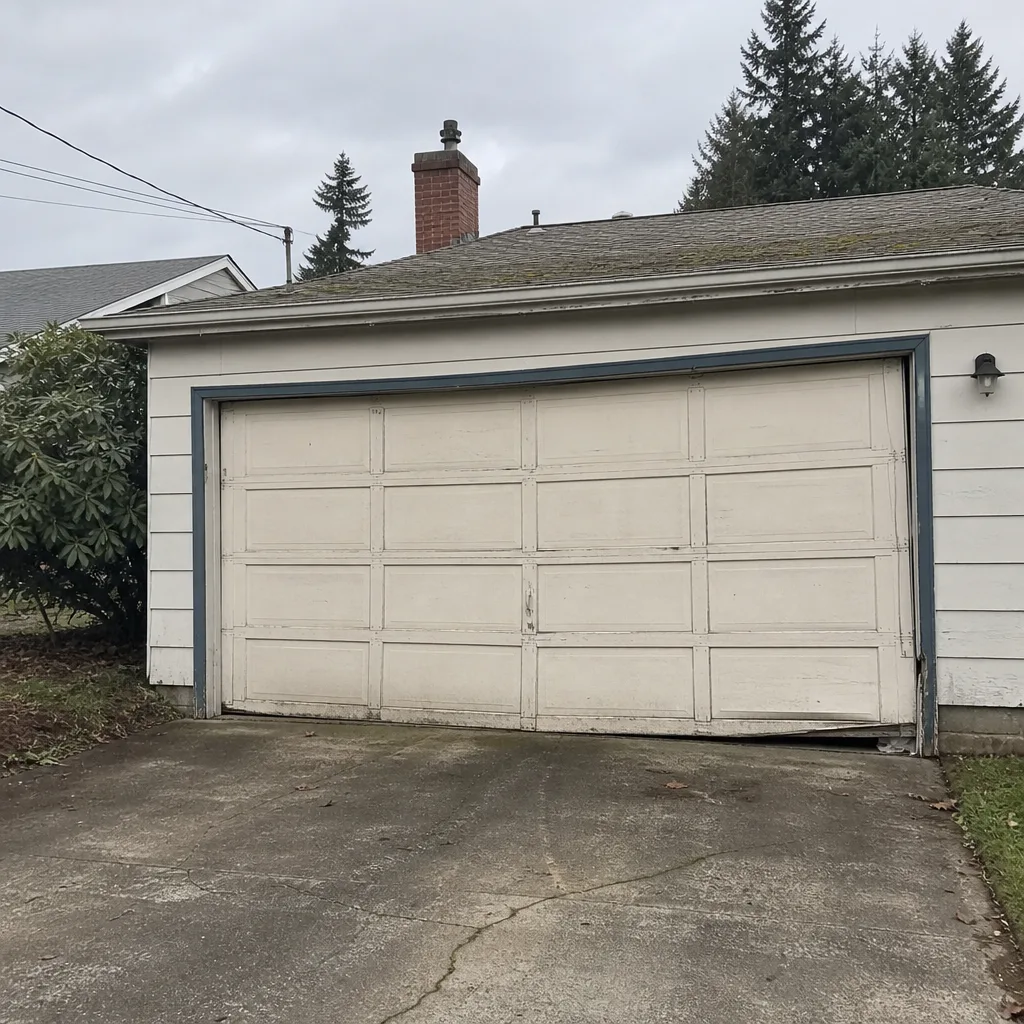 Before
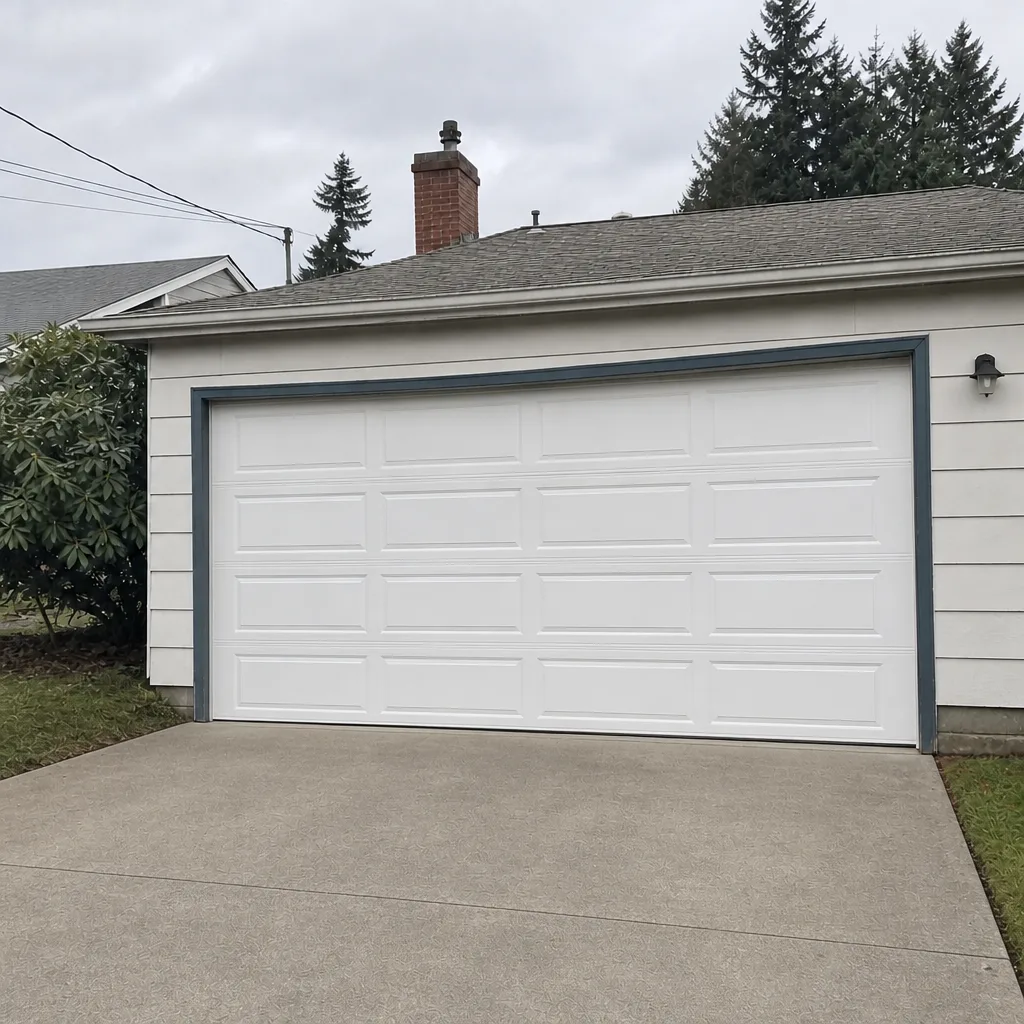 After
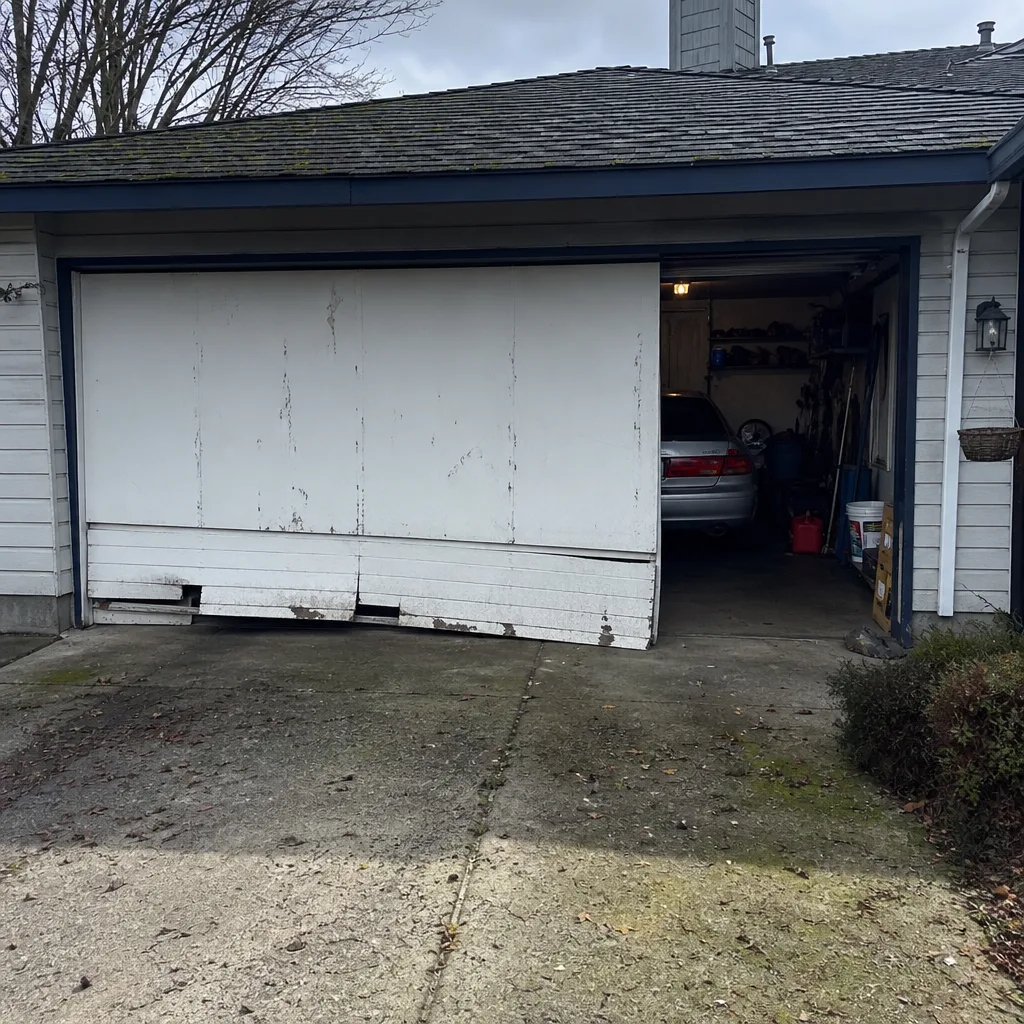 Before
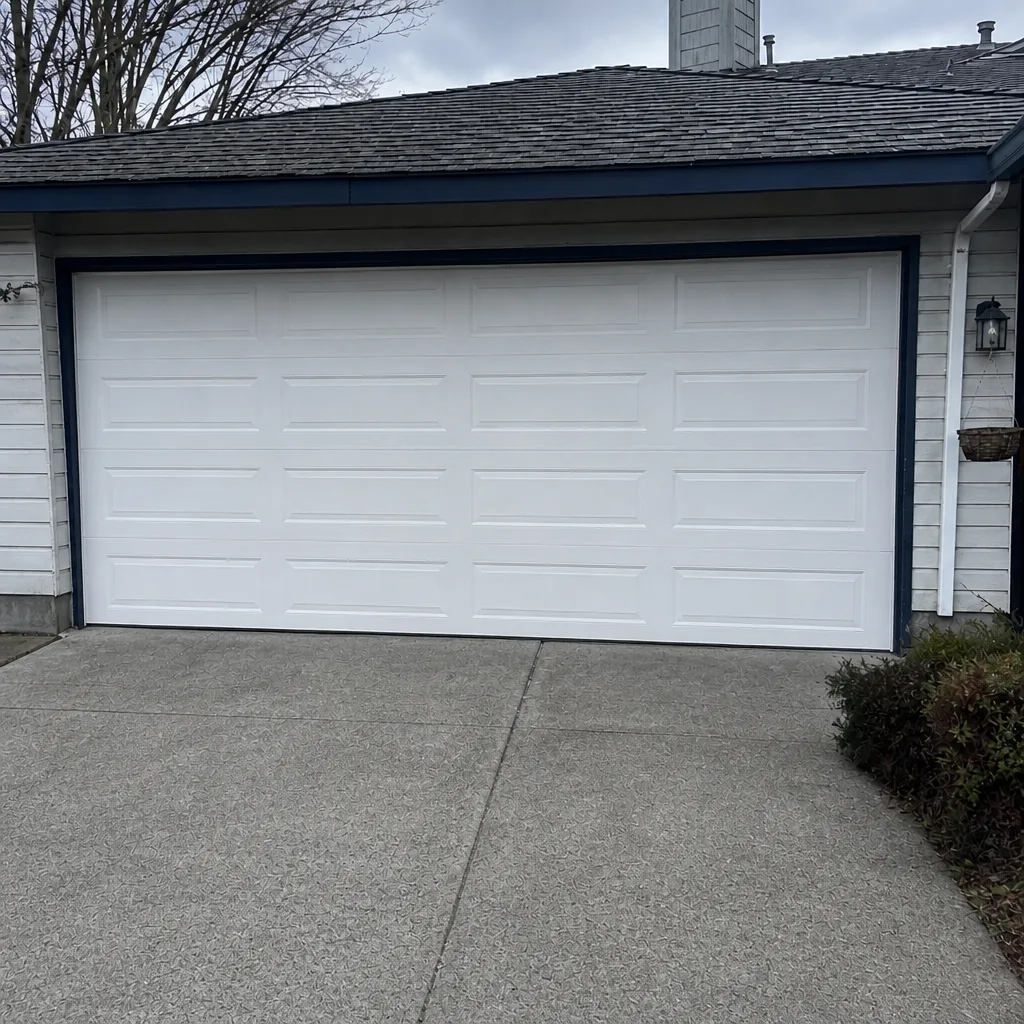 After
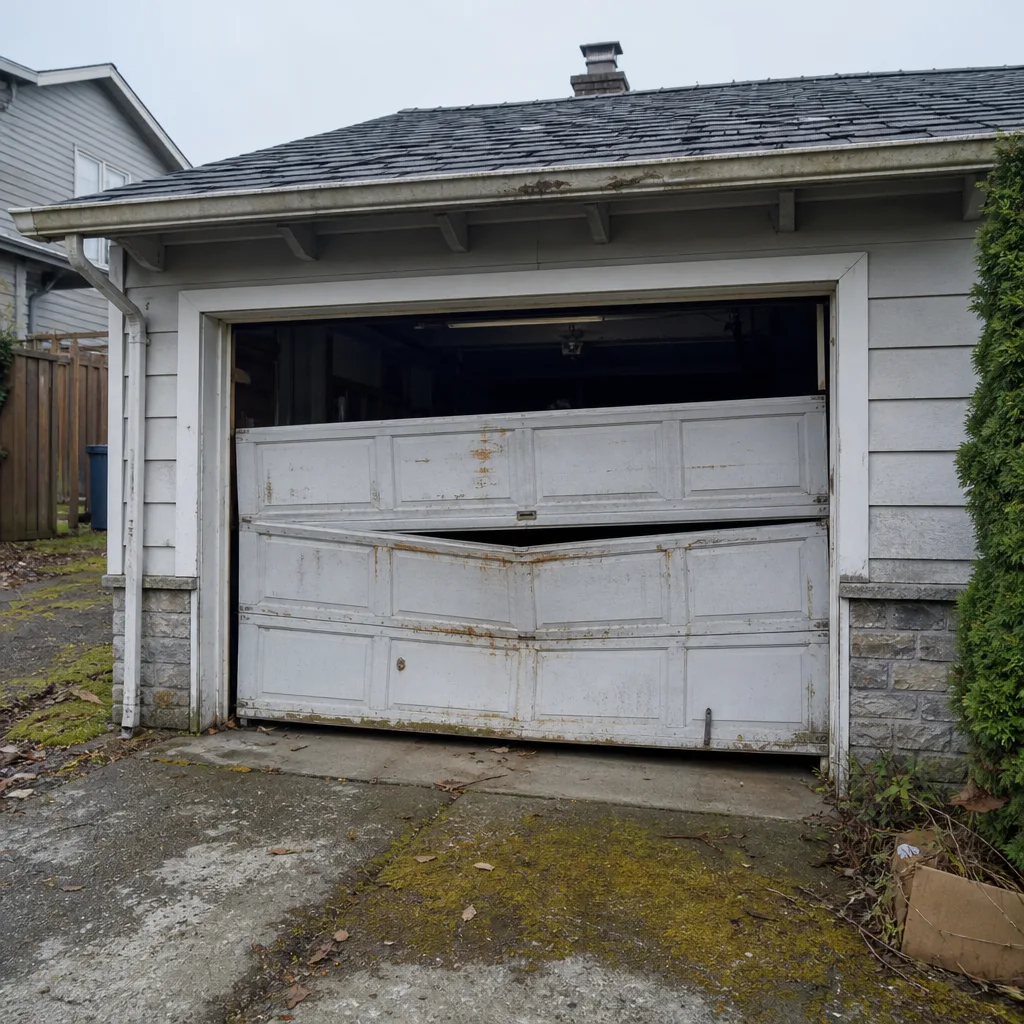 Before
 After
When to Call a Professional
Call a specialist the moment you notice any of these: a spring that has visibly snapped, a door that hangs crooked or won’t go all the way up, a cable that has come off its drum, a door that reverses immediately after starting to close, a bottom seal that’s letting water in, or any grinding or squealing that doesn’t stop after lubrication. These are all signals that the door needs a trained eye, and the door should stay closed until a technician has looked at it. We offer free estimates in Tacoma – call (844) 709-1359. We answer 24/7. Fast dispatch from 7am to 7pm, Sunday through Friday. Our technicians have up to 15 years of experience, and we work on every major brand, from Genie and Clopay doors to Chamberlain openers.
Frequently Asked Questions
Match the interval to how often the door runs: light use (two cycles a day) needs a professional tune-up once a year; moderate use (four to six cycles) needs one every eight to ten months; heavy use (eight to ten cycles a day) needs one every six months. The visual checks are monthly for heavy use and every two months for light use. In Tacoma, add wet-season prep in late September. Call (844) 709-1359 for an exact quote – estimates are free.
Safety sensor drift and wet-season moisture are the two most common causes we see. Cold mornings fog the photo-eye lenses, and damp air works on bottom seals and bare steel on the springs and hinges. A monthly sensor wipe and a fall lubrication round prevent most of these calls before they start. Call (844) 709-1359 for an exact quote – estimates are free.
No. Standard WD-40 is a solvent and light oil, not a long-term lubricant, and it strips the factory lubricant from tracks, rollers and hinges. Use silicone spray on the tracks, hinges and roller stems, and white lithium grease on the opener chain. And never lubricate or touch a spring or cable yourself – those are under extreme tension and are a job for a technician. Call (844) 709-1359 for an exact quote – estimates are free.
A standard torsion spring is often rated for roughly 10,000 cycles, and higher-cycle springs are available for doors that work harder. That means a two-cycle-a-day household can go a long time between replacements, while a heavy-use household wears through them faster. Our technicians check spring condition during every tune-up and can tell you how much life is left. Call (844) 709-1359 for an exact quote – estimates are free.
A routine tune-up usually takes 45 minutes to an hour for a trained technician. That covers spring and cable checks, roller and hinge wear, door balance, track alignment, opener travel limits and force settings, and lubrication. It’s a single visit, and the price is quoted and agreed before any work starts. Call (844) 709-1359 for an exact quote – estimates are free.
Yes. Emergency garage door service is one of our core offerings – for a door that’s stuck open, stuck shut or structurally compromised. We answer 24/7. Fast dispatch from 7am to 7pm, Sunday through Friday, and a call outside dispatch hours is booked into the next opening. Call (844) 709-1359 for an exact quote – estimates are free.
The Bottom Line
Your garage door ages by the cycle, not by the calendar. Count your daily cycles, scale your checks to that number, and keep to the schedule: monthly visual checks, lubrication twice a year, a professional tune-up yearly for light use and every six months for heavy use. Give Tacoma’s wet season its own prep round in late September. Skip the WD-40 and use silicone spray or white lithium grease. When the work involves springs, cables or opener settings, have a specialist handle it. Small, regular maintenance keeps a $400 cable replacement from appearing when a $30 roller would have done.
If you’d like a professional eye on your door, whether that’s a tune-up, a spring check or a repair, we’re the call. Call (844) 709-1359 for a free estimate from Tacoma Garage Door Repair Pros. We answer 24/7. Fast dispatch from 7am to 7pm, Sunday through Friday. Our technicians work on every major brand, from LiftMaster and Chamberlain openers to Clopay, Amarr, Wayne Dalton and Raynor doors.
Related reading from our team: Tacoma Garage Door Repair Pros for the full picture of what we do, and garage door installation if your current door has reached the end of its service life and you’re weighing a replacement.
Written by the team at Tacoma Garage Door Repair Pros.