
Last updated November 21, 2026
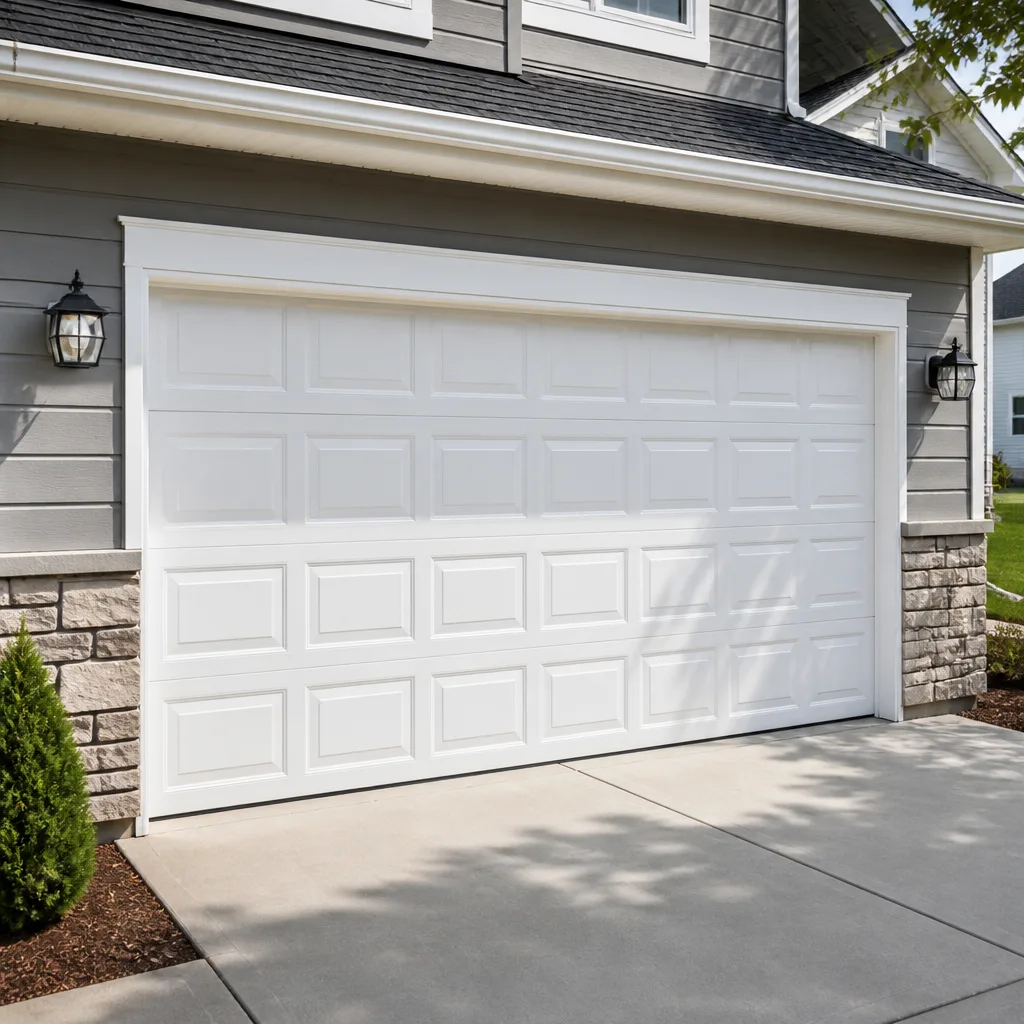 Raised-panel steel
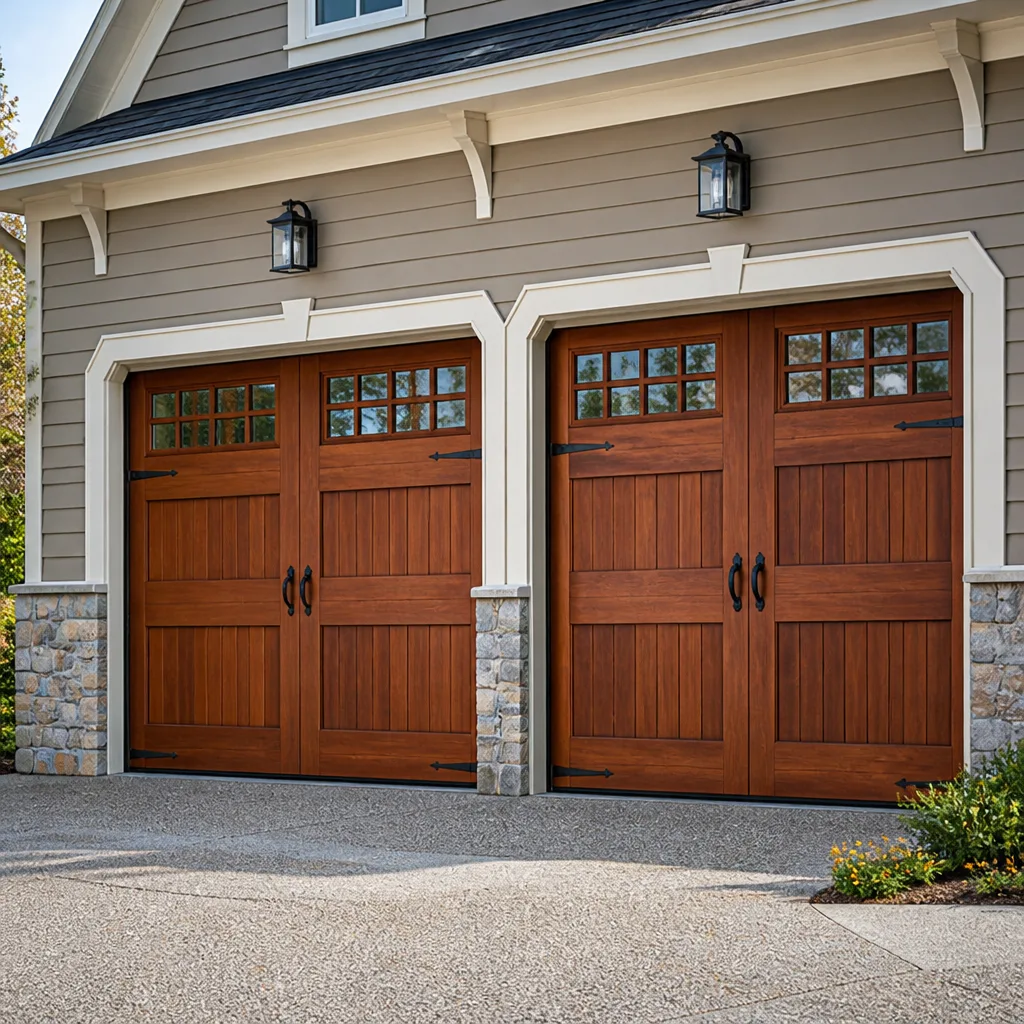 Carriage house
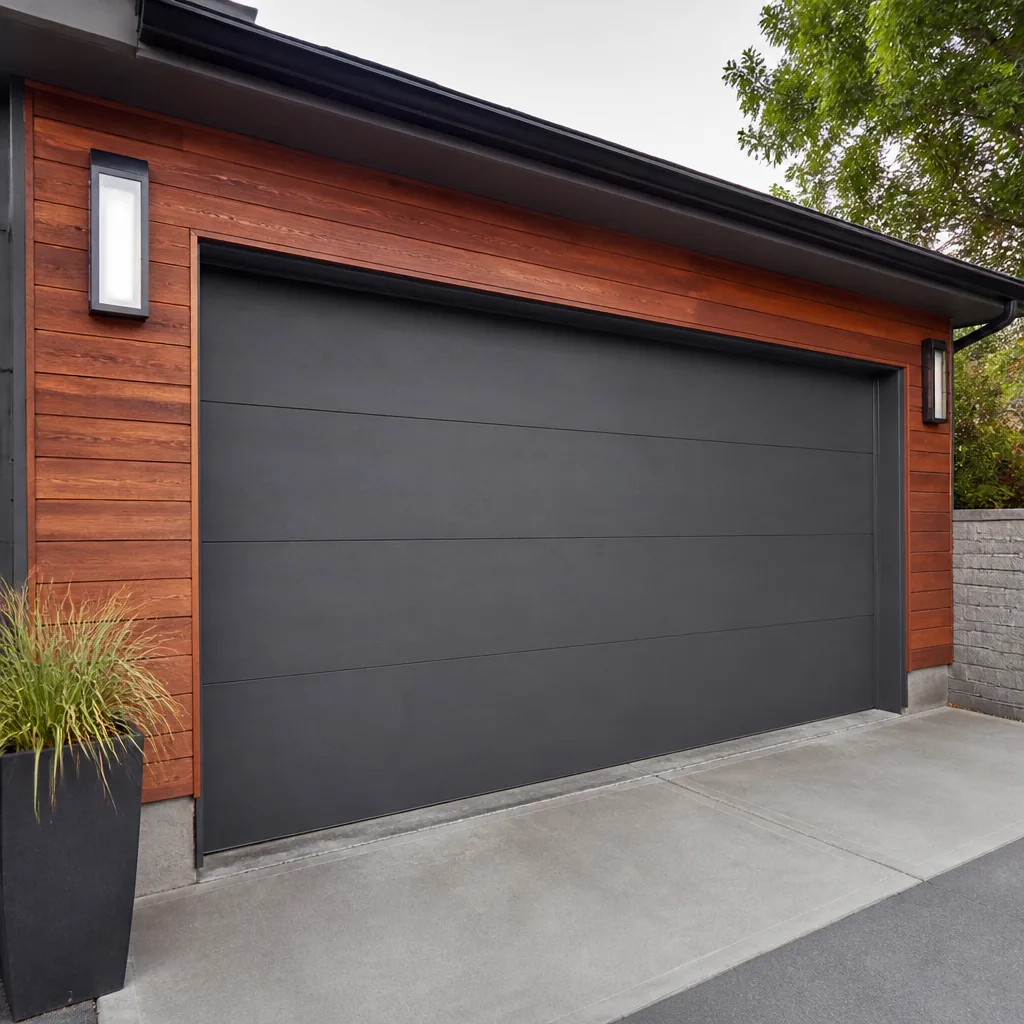 Modern flush
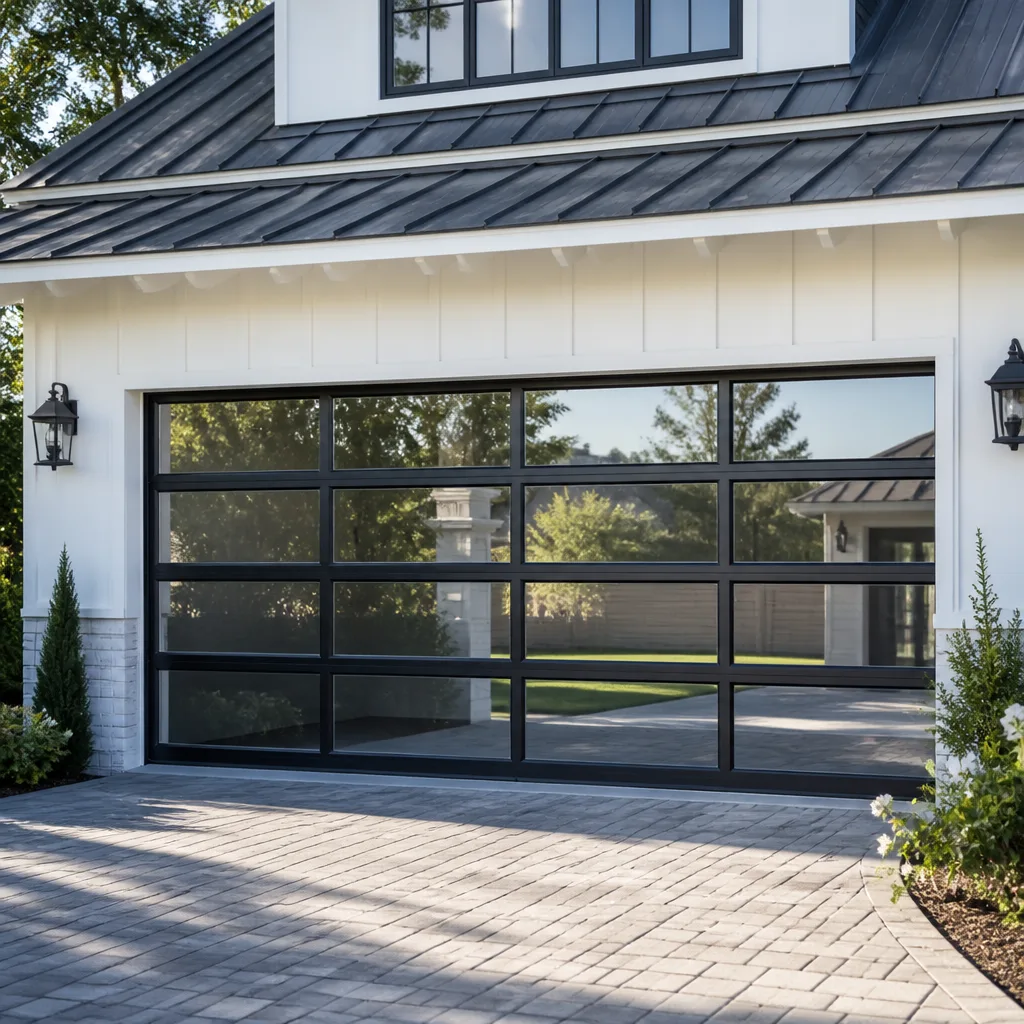 Full-view glass
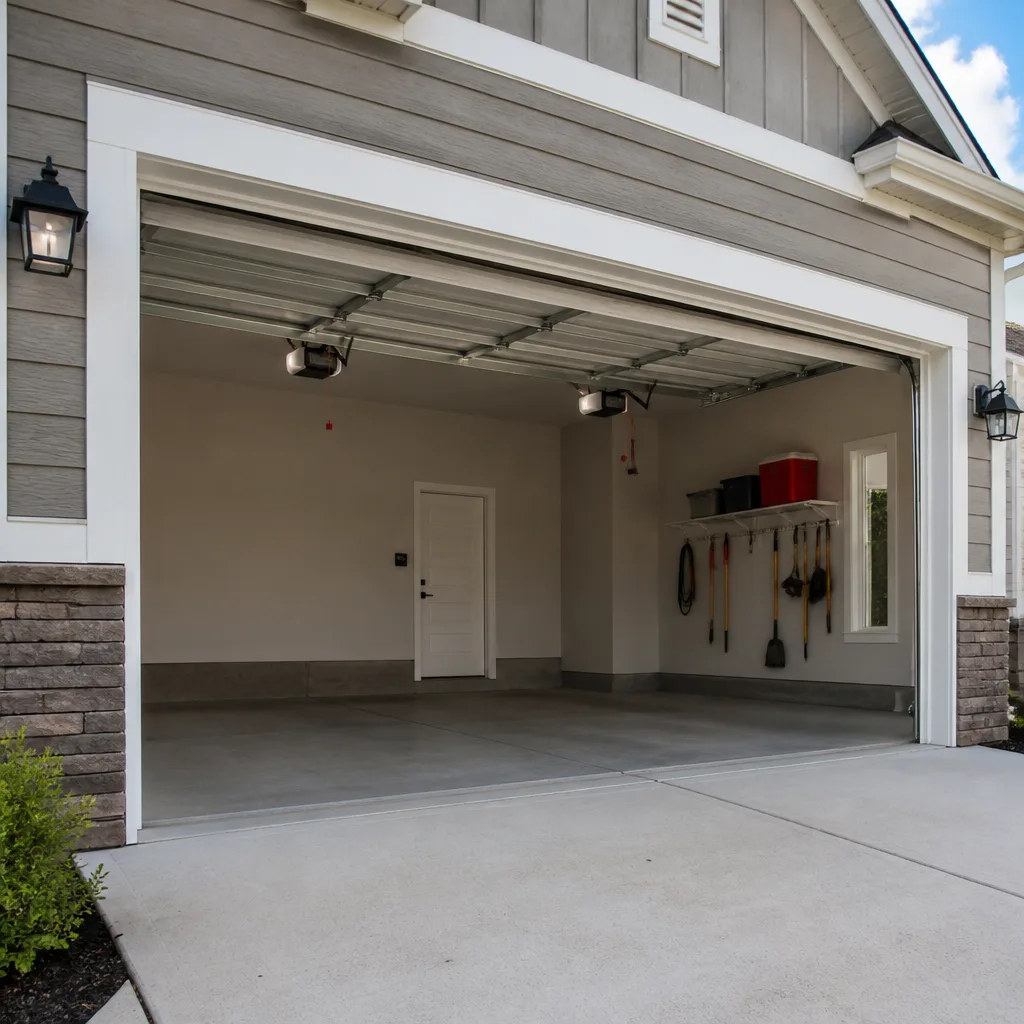 LiftMaster openers
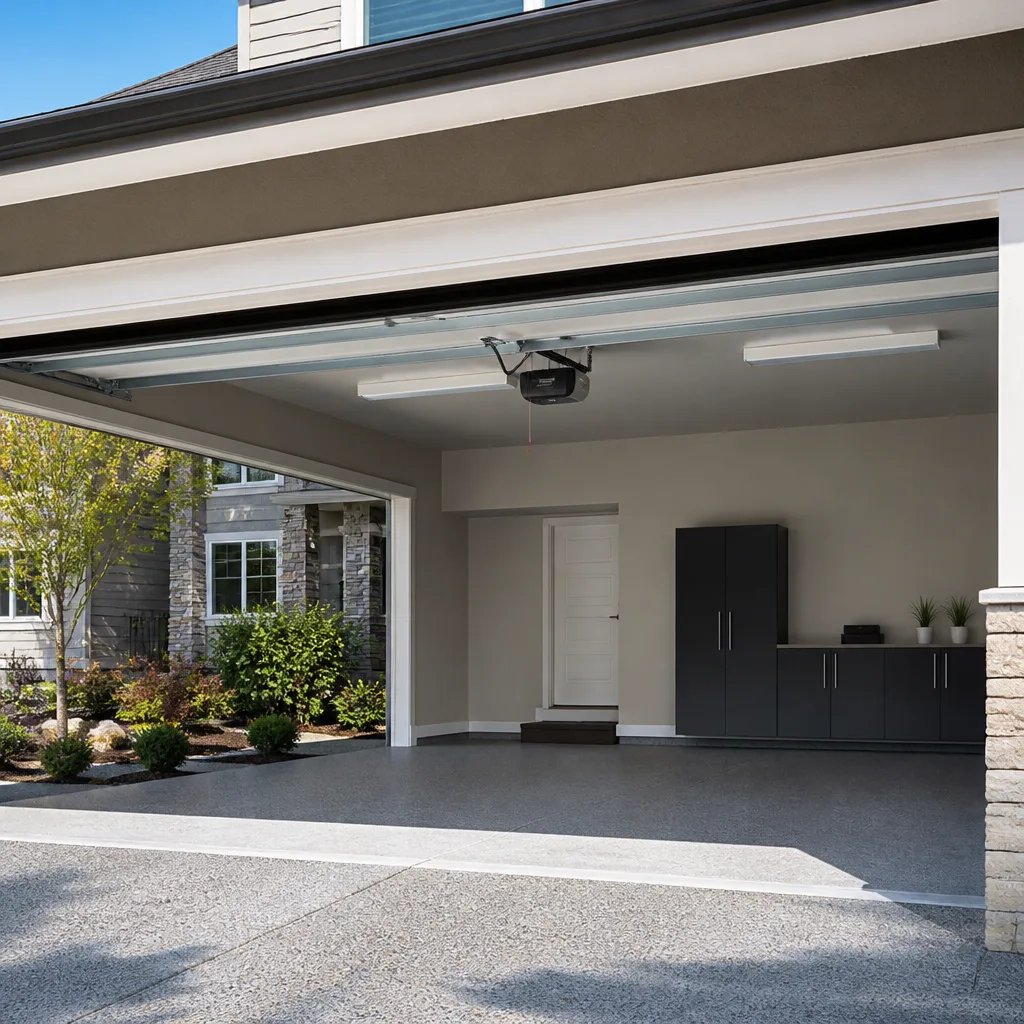 Chamberlain openers
Full 25-point door and opener safety check with every visit - springs, cables, rollers, tracks, and your LiftMaster or Chamberlain opener included
You get a price before we start. It does not change when the pro arrives.
Get your free estimateGarage Door Repair Maintenance Checklist for Tacoma Homeowners
The biggest maintenance mistake we see in Tacoma isn’t skipped lubrication. It’s lubricating the wrong parts with the wrong product after a wet Pacific Northwest winter, which traps grit and speeds up rust instead of preventing it. A door that squeaked in October often grinds by February because someone sprayed the tracks with grease that now holds dust, pollen, and driveway grit like a magnet. This guide lays out a maintenance routine built around how Tacoma’s weather, housing stock, and sloped driveways actually wear on door hardware over a 12-month cycle. You’ll learn which lubricants to use and which to avoid, a month-by-month task calendar, a bottom seal protocol for driveways that drain toward the garage, and exactly what to check after a wind event. Every task here is a visual or listen-only check you can do safely.
Quick Answer
A garage door maintenance checklist for Tacoma should focus on moisture control, correct lubrication, and seasonal hardware checks rather than a once-a-year oiling. The core routine is: lubricate hinges, rollers, and the torsion or extension spring with a silicone-based or white lithium lubricant (never grease on the tracks), inspect and clean the bottom seal each season, test the auto-reverse and photo-eye sensors monthly, and re-check cable tension and track alignment after any wind event above 30 mph. Anything involving springs, cables, or the door’s balance is a professional job, because those parts are under extreme tension and can cause serious injury.
Styles & brands we work with
- Raised-panel steel
- Carriage house
- Modern flush
- Full-view glass
- LiftMaster openers
- Chamberlain openers
Table of Contents
- Why Tacoma’s Climate Wears on Garage Doors Differently
- The Right Lubricants for a Wet-Climate Garage Door
- A Month-by-Month Maintenance Calendar for Tacoma
- Bottom Seal Inspection for Tacoma’s Sloped Driveways
- What to Check After Any Wind Event Above 30 mph
- How to Self-Test Auto-Reverse and Photo-Eye Sensors
- Springs and Cables: What to Look For and What to Leave Alone
- When to Call a Professional
Why Tacoma’s Climate Wears on Garage Doors Differently
Tacoma doesn’t get the hard freezes of the mountain passes or the dry heat of eastern Washington. What it gets is long stretches of damp, cool air, a wet fall and winter, and a spring that brings a heavy pollen load. That combination does specific things to a garage door. Damp air settles into hinges and roller bearings. Pollen and grit stick to any lubricant that stays tacky. And the swing between a damp morning and a dry afternoon works metal parts back and forth in a way that loosens fasteners over time.
Add Tacoma’s housing mix and the picture sharpens. A lot of homes here sit on sloped lots, and many driveways pitch toward the garage rather than away. Water runs to the door instead of past it, so the bottom seal and the lowest panels take the brunt of every storm. Older doors on some of the city’s original neighborhoods may also have original hinges and rollers that have been fighting that moisture for a long time, and they need more attention than hardware that’s a few years old.
The practical takeaway: a maintenance routine written for a dry climate won’t match what your Tacoma door needs. Moisture control and the right lubricant matter more here than frequency of oiling. A door greased quarterly with the wrong product will corrode faster than one treated lightly twice a year with the right one.
The Right Lubricants for a Wet-Climate Garage Door
This is the section that fixes the most common problem. The wrong product in the wrong place doesn’t just fail to help, it actively collects the grit that wears metal parts down. Here’s how the common options behave in Tacoma’s conditions.
Silicone spray: the workhorse
Silicone-based lubricant goes on, penetrates, and dries to a film that doesn’t attract dust. It’s the right choice for hinges, roller bearings, and the torsion spring coils because it stays effective through damp stretches without turning into a dust magnet. It’s also safe on the areas where you want a clean surface.
White lithium grease: good spots, bad spots
White lithium does the job on hinges and the bearing plates where parts rub hard, but it holds grit far better than silicone. In a pollen-heavy Tacoma spring, anything oily on the lower panels or on the tracks becomes a trap. Use it where metal truly grinds, sparingly, and keep it off the tracks and rollers.
What to keep off the door entirely
- WD-40 and similar lightweight sprays: they thin and run off in wet weather, so you end up reapplying to a corroding part. They’re a cleaner, not a maintenance lubricant.
- General-purpose grease on the tracks: this is the number-one mistake. Grease on the tracks collects grit and gums up the rollers.
- Motor oil or cooking oil: neither is designed for the loads and neither stands up to moisture. Both attract grit.
The right amount is also a judgment call. A light coat on moving parts is plenty. More lubricant doesn’t mean better protection; it means more trapped grit. A surface that feels dry but glides smoothly is doing its job.
Where each product goes
- Hinges: one short silicone spray at each pivot point, wipe the excess.
- Roller bearings: a light touch on the bearing, not the whole roller.
- Torsion spring: silicone on the coils, applied lightly, never oil.
- Tracks: clean with a damp cloth and dry, no lubricant at all.
- Bottom seal: silicone or a rubber conditioner to keep the seal pliable.
A Month-by-Month Maintenance Calendar for Tacoma
Most checklist guides give you four generic seasons. Tacoma’s weather doesn’t break neatly that way. Here’s a calendar built around what actually happens in the region across the year, which you can adjust to how the months run.
- Early winter (the wet start): Check the bottom seal for gaps, look for water pooling on the garage floor, and confirm the door closes fully against the floor. Wet-season intrusion starts here.
- Mid-winter: Wipe and dry the tracks, check that hinges and roller bearings move freely, and re-torque any loose bolts you can safely reach. Damp cool air loosens fasteners.
- Late winter: Look for rust spotting on the lowest door panel and the spring coils. Light surface rust on the bottom edge is common with moisture and needs to be caught early.
- Early spring: Run the full safety test (auto-reverse and photo-eye). Clear away pollen and debris that builds up around the door and in the tracks.
- Mid-spring: Lubricate with silicone on hinges, rollers, and spring; clean the tracks. It’s the peak pollen period, so this is a good reset point.
- Late spring: Check the bottom seal again; the spring rains plus a sloped driveway are hard on it. Confirm the opener’s sensitivity setting hasn’t drifted.
- Summer: Look at the cables and drums for fraying or uneven winding, check that the door is balanced (it should hold part-way), and clean out any grit in the tracks.
- Early fall: Pre-season wind and rain check. Confirm the cable tension, the track alignment, and the opener strain test. Fall storms are the big one here.
- Mid-fall: After autumn leaf fall and the first big wind event, re-check track alignment and cable tension (see the wind section below).
- Late fall: Lubricate again if needed, check the weather stripping, clear gutters and drainage away from the door so water doesn’t pool at the threshold.
Two lubrications a year, tied to the pollen peak and the late-fall reset, is generally enough. The safety test is the exception: it should be monthly, not seasonal.
Bottom Seal Inspection for Tacoma’s Sloped Driveways
Tacoma’s driveways often pitch toward the garage, which is exactly the wrong direction for a bottom seal. Water runs to the door on a slope instead of past it. That makes the bottom seal the highest-wear item on many doors here, and it needs a closer look than a quick glance from the car.
How to check it
- Look at the seal from outside, in daylight. Get low enough to see the line where rubber meets concrete. Gaps, tears, or a seal that’s flattened on one side and not the other are the signs.
- Check the door closed, not open. A seal can look fine open and only reveal its gaps when compressed against the floor.
- Run a hand along the bottom edge with the door closed, feeling for soft spots, splits, or hardness. Rubber that feels stiff or cracked isn’t sealing.
- Look for water stains on the garage floor after rain. A damp patch near the door tells you the seal has given up where the driveway slopes in.
- Note where the wear is uneven. If one side is worn and the other isn’t, the door may be sitting slightly out of level.
Uneven seal wear is the clue most homeowners miss. On a sloped driveway, one corner of the door often contacts first and takes the pressure. That corner’s seal wears faster, and eventually the door doesn’t sit flush at all. A level door with a sound seal is the goal; if the wear keeps coming back on one side, the door balance or track needs a professional look, not a third seal replacement.
What to Check After Any Wind Event Above 30 mph
Tacoma’s fall and winter bring wind events that many homeowners ride out and forget about. The door often survives, but the hardware behind it can shift. A door that worked fine before a storm and sounds wrong afterward is telling you something moved. Here’s the post-wind protocol.
- Listen first. Open and close the door once and listen for a scrape, a pop, or a grind that wasn’t there before. Unusual noise means something has shifted.
- Look at the tracks on both sides. A bent or misaligned track shows up as a visible kink, or a roller that isn’t seated, or a door that looks off-center.
- Check cable tension visually. The cables on both sides should look evenly taut. A slack or uneven cable means the door isn’t balanced, and this is where you stop and call a technician rather than adjusting anything yourself.
- Watch the opener for strain. If the door stutters, jerks, or the opener sounds like it’s working harder than before, the door isn’t gliding freely and the opener is compensating. Keep the opener out of it until the door is checked.
- Look for loose hinges or bolts you can safely reach with the door closed and the opener unplugged.
The risk in a post-wind check is overcorrecting. A track that’s slightly off can sometimes be tapped back, but a cable that’s slack or a door that’s lost its balance is a job for a technician, because the tension in those parts is dangerous. If anything on the cable or spring side looks wrong, don’t touch it. Call a professional.
A note on what the wind does
Wind forces a door in ways gravity and the opener don’t. Panels can flex, hinges take extra load, and the whole assembly works against its mounting. Most door hardware tolerates this, but over time the vibration loosens the fasteners that keep the tracks aligned. That’s why the post-wind check is worth doing even when the door seems fine: a small shift caught early is a quick fix; a shift that’s allowed to run for weeks can put wear on the opener and the rollers.
How to Self-Test Auto-Reverse and Photo-Eye Sensors
The two safety features on your door are the auto-reverse and the photo-eye sensors. They’re simple to test and cheap to keep working, but they fail more often in Tacoma than in drier places because pollen, dust, and damp air interfere with them. Test both monthly.
The auto-reverse test
- Close the door. Make sure nothing is in the door’s path.
- Place a sturdy object about the size of a 2×4 flat under the door’s path, so the door would contact it as it closes.
- Run the door down. The door should stop and reverse when it contacts the object. If it doesn’t, the setting or the sensor needs attention immediately, and you shouldn’t use the door until it’s fixed.
The photo-eye test
- Locate the two sensors at the bottom of the door’s tracks on each side. One sends a beam; the other receives it.
- Check they line up. Look for a steady indicator light on each sensor; many have a light that shows alignment. A blinking or dark light usually means misalignment or a blocked path.
- Test the beam by passing an object across it while the door is closing. A working setup will stop or reverse the door.
- Clean both lenses with a soft dry cloth. In spring, pollen film builds up on the lenses and blocks the beam.
Photo-eye failures are seasonal in Tacoma. Damp air can fog the lenses; pollen in spring coats them; grit blown around in fall gets between the sensors and the door. A monthly wipe and test catches most of this before it becomes a door that won’t close. If the sensors are still balking after a clean and a realign, the wiring or the sensor unit itself may need replacement, which is a technician job, especially on opener units from Amarr-era hardware or any of the major opener brands.
Springs and Cables: What to Look For and What to Leave Alone
The spring system is what makes a 150-pound-plus door feel weightless. It’s also the most dangerous part of the door, because the springs hold enormous tension even when the door is closed. We’re printing this section so you know what to check from a distance, not so you’ll work on it. Springs and cables are not a DIY repair.
What to look at (never touch)
- Rust on the spring coils. Surface rust on the coils in Tacoma’s damp air is common and worth monitoring; heavy pitting or a visible gap in a coil means the spring is failing.
- Cables: look for fraying, kinks, or a cable that’s slipped off its drum. Any of these means a door that’s no longer safe to operate.
- Door balance: with the opener disengaged by hand, lift the door about halfway and let it go. It should hold roughly in place. If it drops or rises on its own, the spring tension is wrong.
- Noises: a loud bang, a door that suddenly slams, or a pop followed by a door that won’t move signals a spring failure.
If any of these show up, stop using the door and call a professional. A torsion spring can release its tension in an instant, and the injuries that follow are serious. We emphasize this on every call because a tired spring or cable is not a part you should handle without training and the right tools. A proper garage door repair for spring and cable work puts a trained technician on the job instead of you.
How often springs are refreshed in Tacoma
Damp air and frequent cycling wear springs faster than a dry, low-use environment. In Tacoma, doors that get opened several times a day tend to need spring attention sooner than doors that get a workout once a day. That’s a maintenance schedule to plan around, not a surprise to be caught off guard by. When a spring does give out, replacement is usually a same-day fix for a trained technician, and it includes a full balance check afterward so the door is right, not just reopened.
Common Mistakes to Avoid
- Greasing the tracks. This is the mistake we see most. Grease on the tracks catches grit and gum up the rollers; tracks should be clean and dry, with the rollers kept lightly lubricated.
- Using WD-40 as a maintenance lubricant. It cleans but doesn’t protect against Tacoma’s damp air, so the part dries out and starts to corrode. Use silicone or, sparingly, white lithium where metal grinds.
- Skipping the bottom seal until it fails. On a Tacoma driveway that slopes toward the garage, a worn seal lets water in long before it visibly tears. Check it in early winter and early spring, not just when you notice a wet floor.
- Ignoring a door that’s off-center. A door that lands unevenly or rests crooked is sending water under one corner and wearing one side of the seal. That’s a balance or track issue and needs a technician.
- Adjusting the opener to compensate for a binding door. Turning up the opener’s force doesn’t fix a stiff door; it drives a damaged part harder and can burn out the opener motor. Fix the door first, then check the opener.
- Forgetting the post-wind check. A track can shift in a fall storm and still let the door open for a while. Catching it early avoids a bigger repair.
- Handling springs or cables as a do-it-yourself project. This is the mistake with the worst consequences. Springs and cables are under extreme tension and belong to a trained technician.
When to Call a Professional
Some jobs fit a Saturday morning and a spray can; others don’t. Call a professional when the door is unbalanced, when a spring or cable looks or sounds wrong, when a track is bent or the door is off-center, when the opener runs but the door won’t move, or when the door is stuck open or shut and needs to be secured. Those situations involve tension, load, and safety systems that a homeowner shouldn’t handle. A garage door opener repair is also professional territory when the opener is straining, the safety sensors keep misbehaving after a clean, or the unit’s logic board needs work. And if you’re replacing a failing door rather than fixing one, a garage door installation is a measured and scheduled job that gets a written price before work starts. Tacoma Garage Door Repair Pros offers free estimates in Tacoma, so getting a professional opinion is a no-cost step. Call (844) 709-1359. We answer 24/7. Fast dispatch from 7am to 7pm, Sunday through Friday.
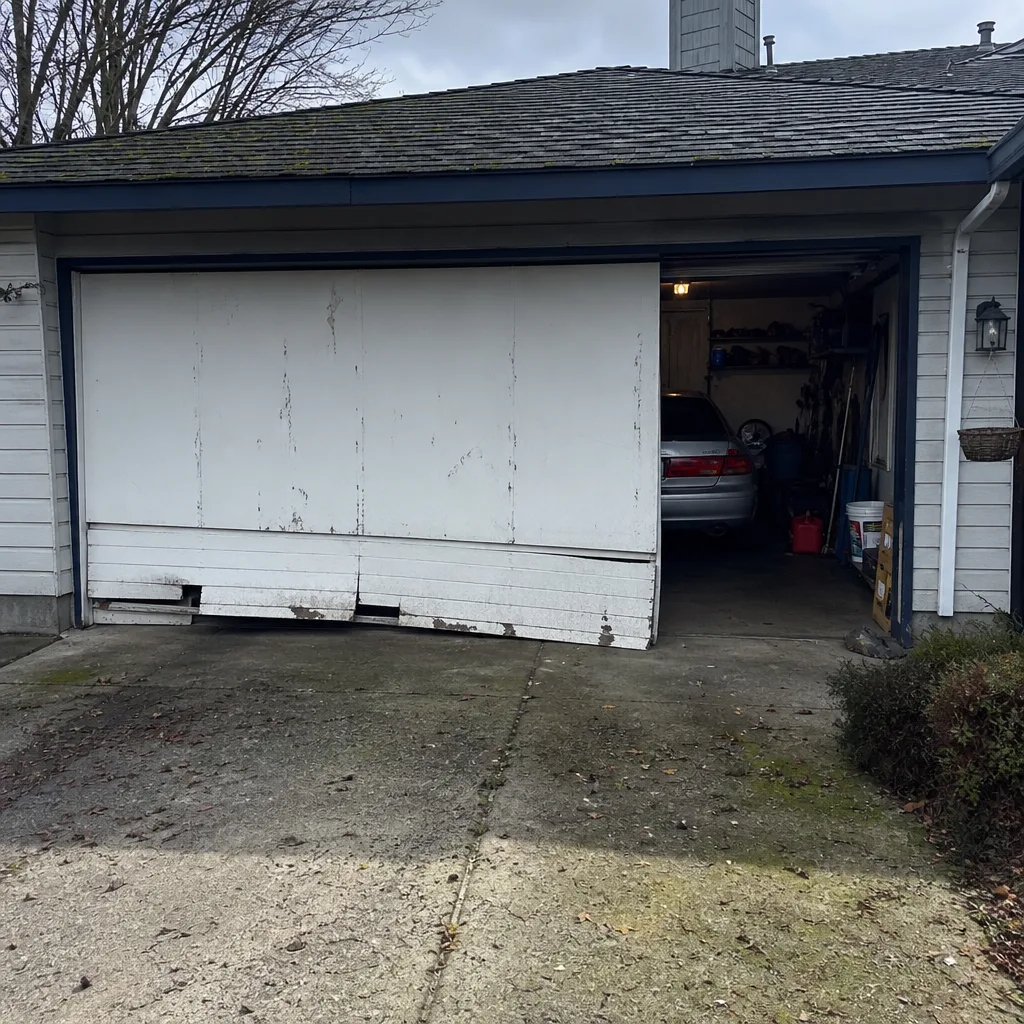
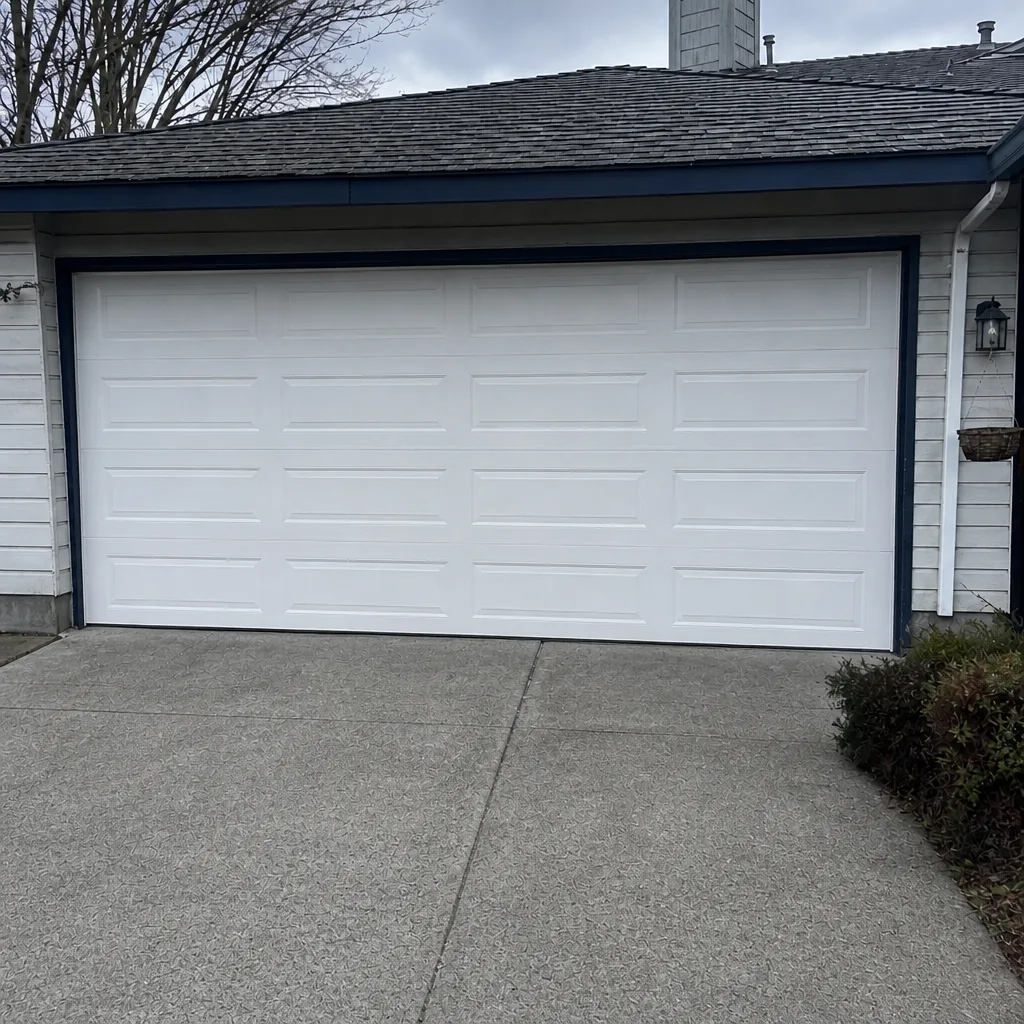
See the difference
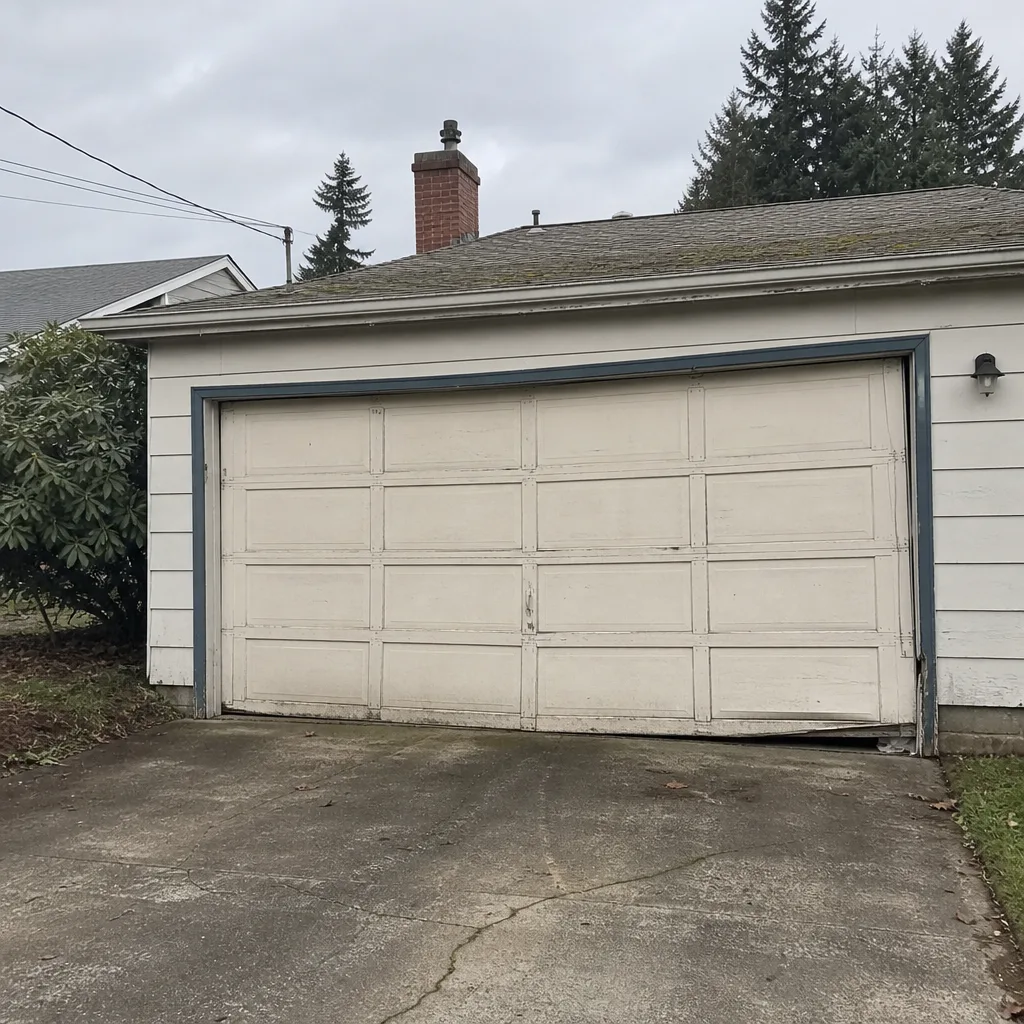 Before
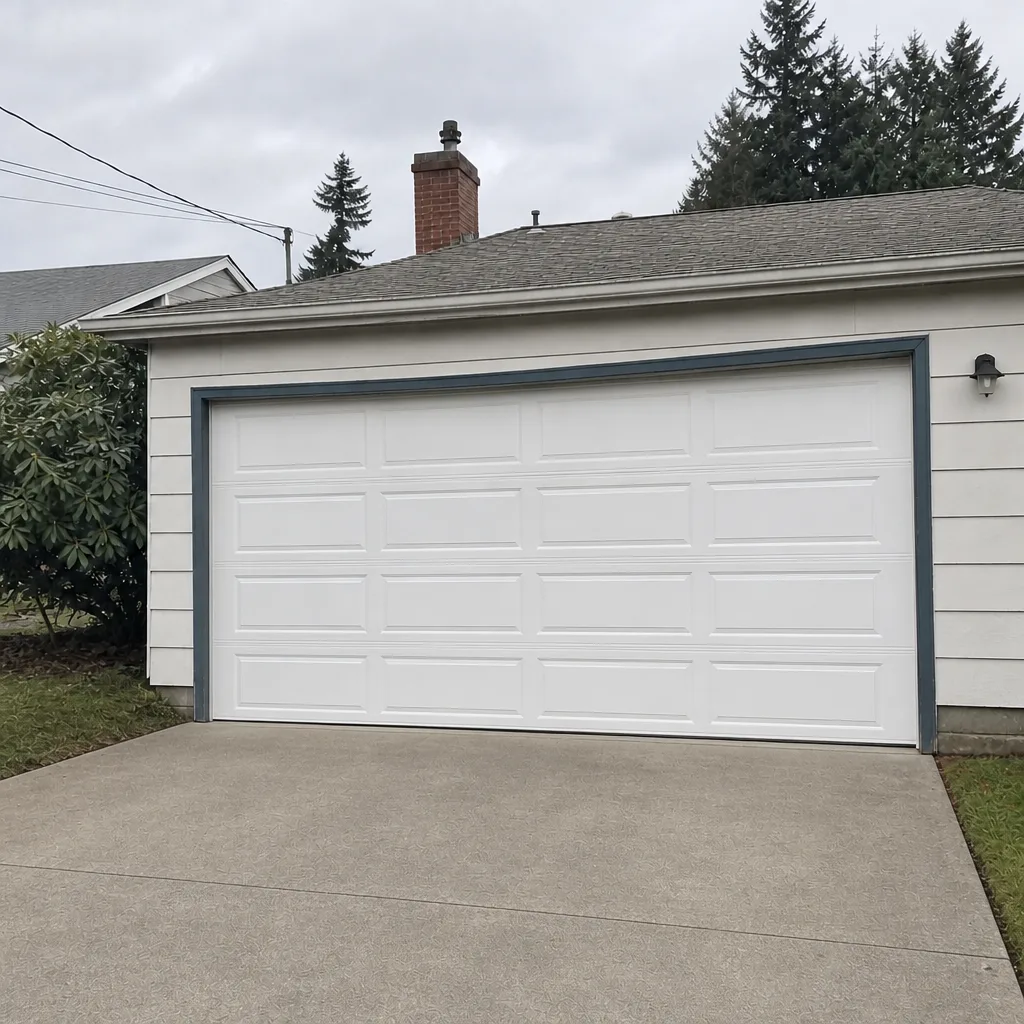 After
 Before
 After
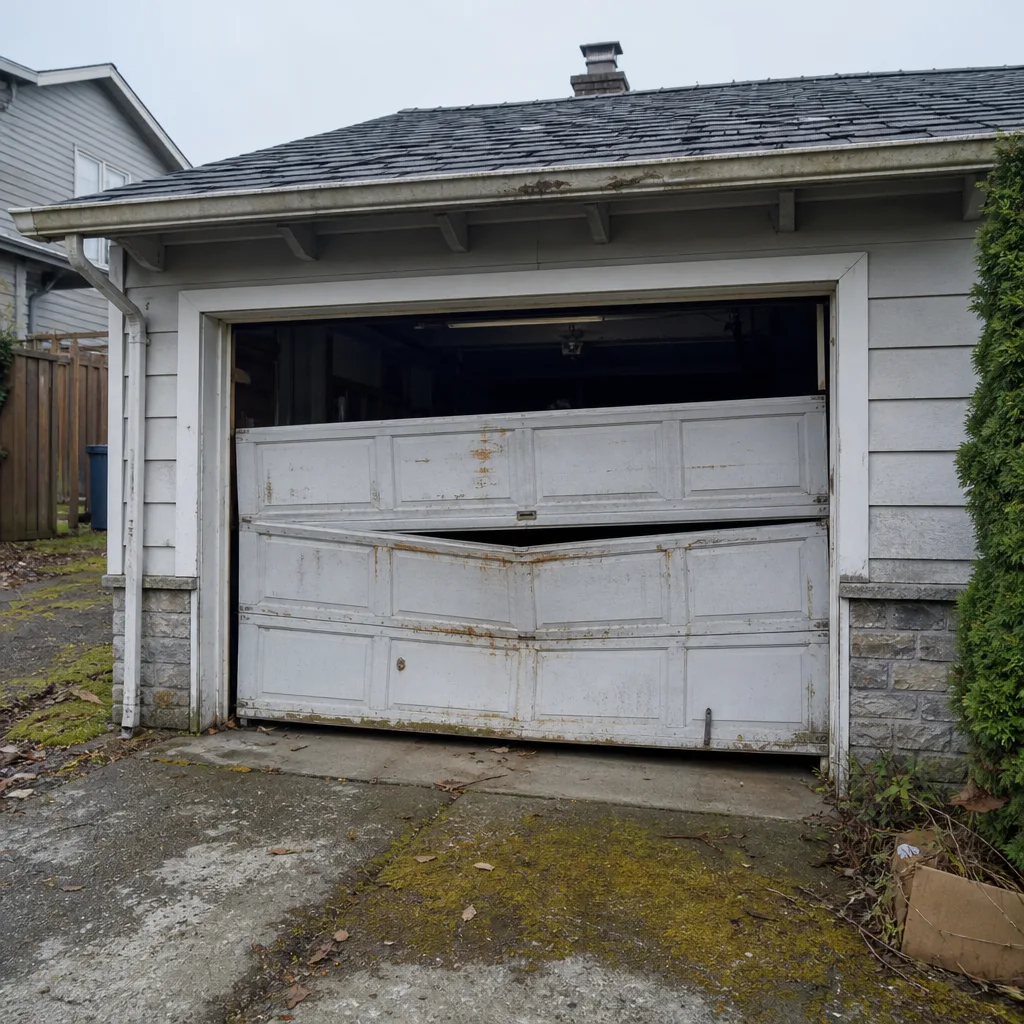 Before
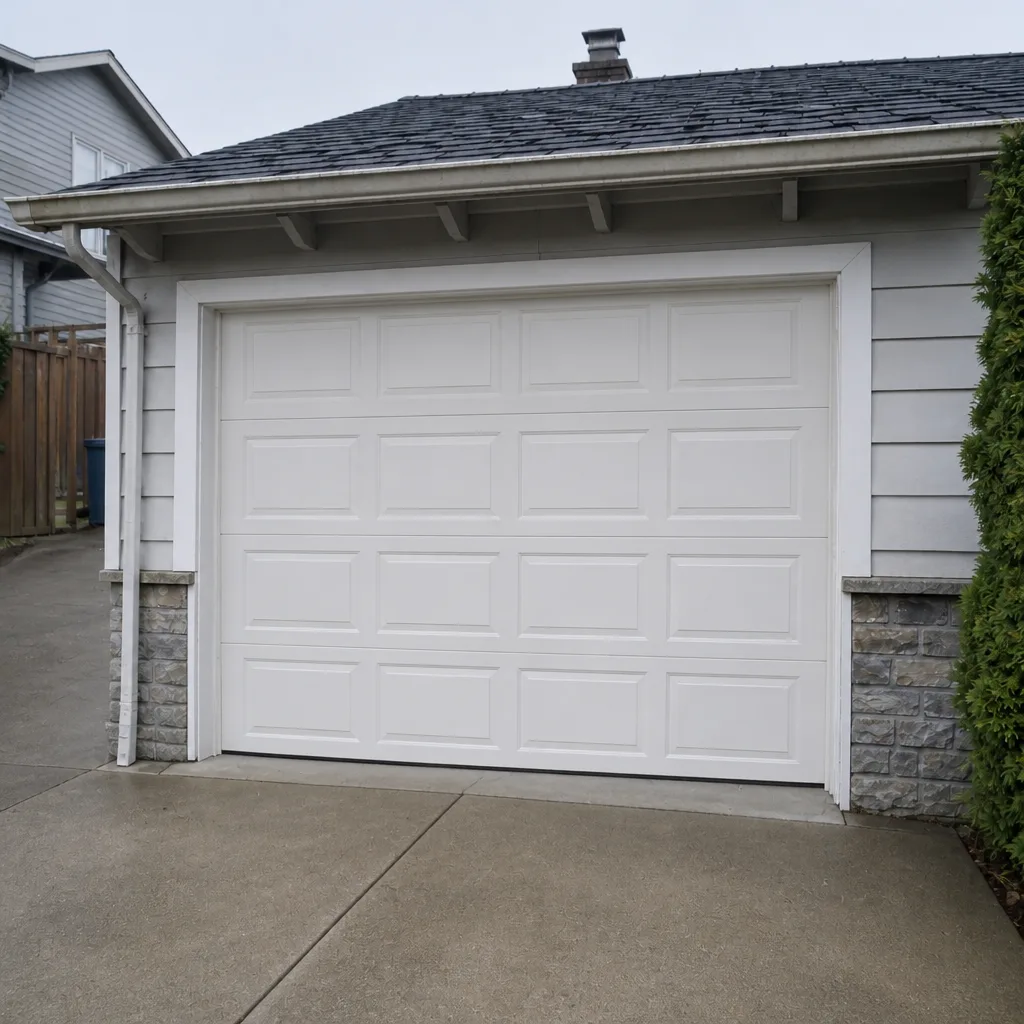 After
Frequently Asked Questions
Twice a year with a silicone-based or white lithium lubricant on hinges, rollers, and the spring is typical for Tacoma’s damp climate, once around the spring pollen peak and once in late fall. Clean the tracks with a dry cloth instead of lubricating them. If the door sees heavy use, a third light application is fine. Call (844) 709-1359 for a quote if the door is squeaking despite regular lubrication.
Damp, cool air thickens the lubricant and stiffens rubber seals, so the door feels heavier and the opener works harder. Cold air also shrinks metal parts slightly, which can change how a track fits. Cleaning and relubricating the moving parts before the wet season helps. If the door still feels heavy, the spring tension may need attention, and that’s a technician job. Call (844) 709-1359 for an inspection.
After any wind event above 30 mph, check the tracks for bends or misalignment, look for slack or uneven cables, listen for a scrape or pop when you open the door, and note whether the opener sounds like it’s straining. Don’t adjust cables yourself. Call (844) 709-1359 if anything looks off, and we’ll take a look.
Pollen and damp air are the usual culprits, because they coat the sensor lenses and block the beam. Wipe both lenses with a soft, dry cloth and check alignment. If the light still won’t stay steady, the wiring or the sensor unit may need replacement. Call (844) 709-1359 for a professional check.
No. The springs hold extreme tension even when the door is closed, and the tools and training to adjust them safely aren’t typical homeowner equipment. Adjusting a spring yourself risks serious injury and can damage the door. If your door is unbalanced, makes a bang, or the spring looks worn, stop using it and call a professional. Call (844) 709-1359; spring repair is a same-day service for a trained technician.
Most of the checklist here is free to do yourself once you have the right lubricant, a cloth, and a helper to watch the door. When a spring, cable, or opener needs professional work, the price depends on the part and the job, and we quote it in a written estimate before any work starts. Call (844) 709-1359 for a free estimate.
The Bottom Line
The difference between a Tacoma garage door that lasts and one that fails early is usually the maintenance routine, not the door itself. Keep the tracks clean and dry, lubricate hinges, rollers, and the spring with silicone instead of grease, check the bottom seal every season because the driveways here drain toward the door, and run the safety test monthly. After any wind event above 30 mph, do the post-storm check. Leave spring and cable work to a trained technician. If anything on your door is beyond a spray can and a cloth, call (844) 709-1359 for a free estimate. We answer 24/7, with fast dispatch from 7am to 7pm, Sunday through Friday.
Written by the team at Tacoma Garage Door Repair Pros.