
Last updated November 21, 2026
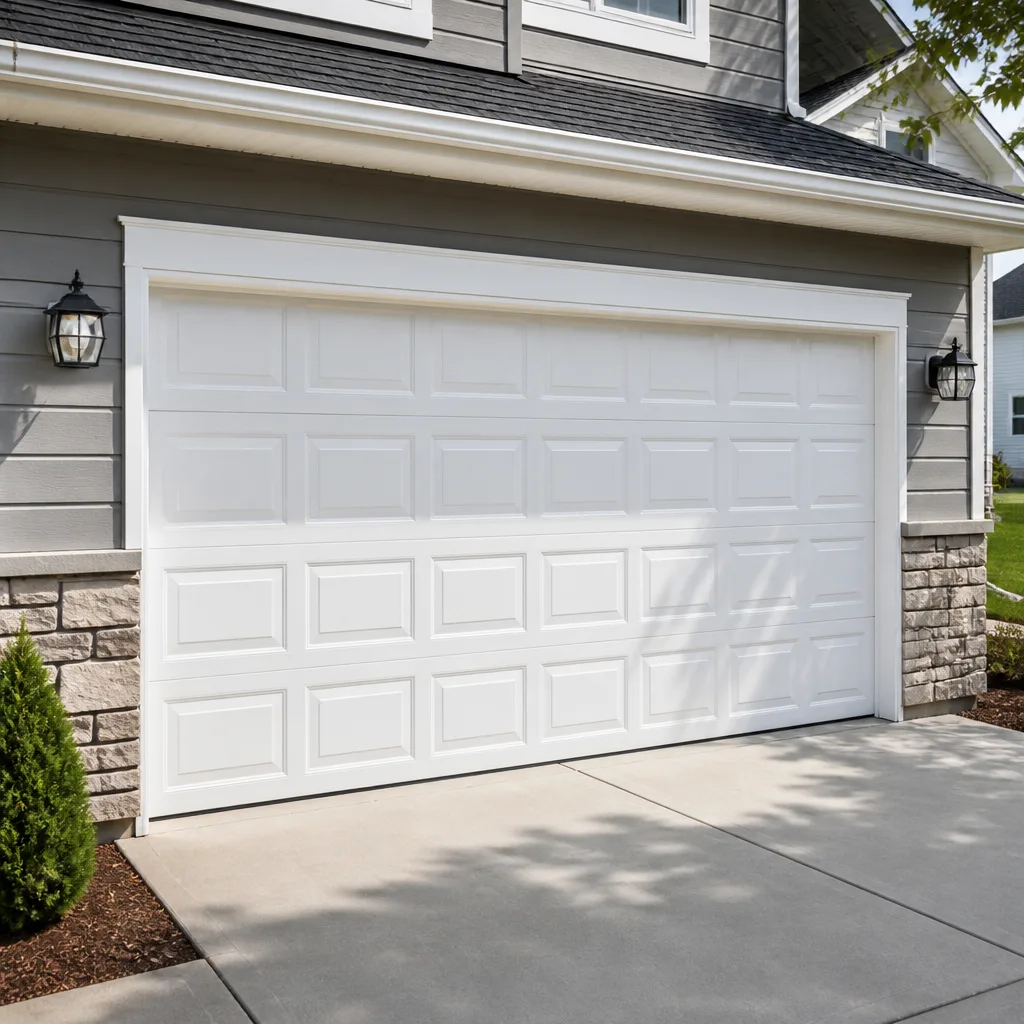 Raised-panel steel
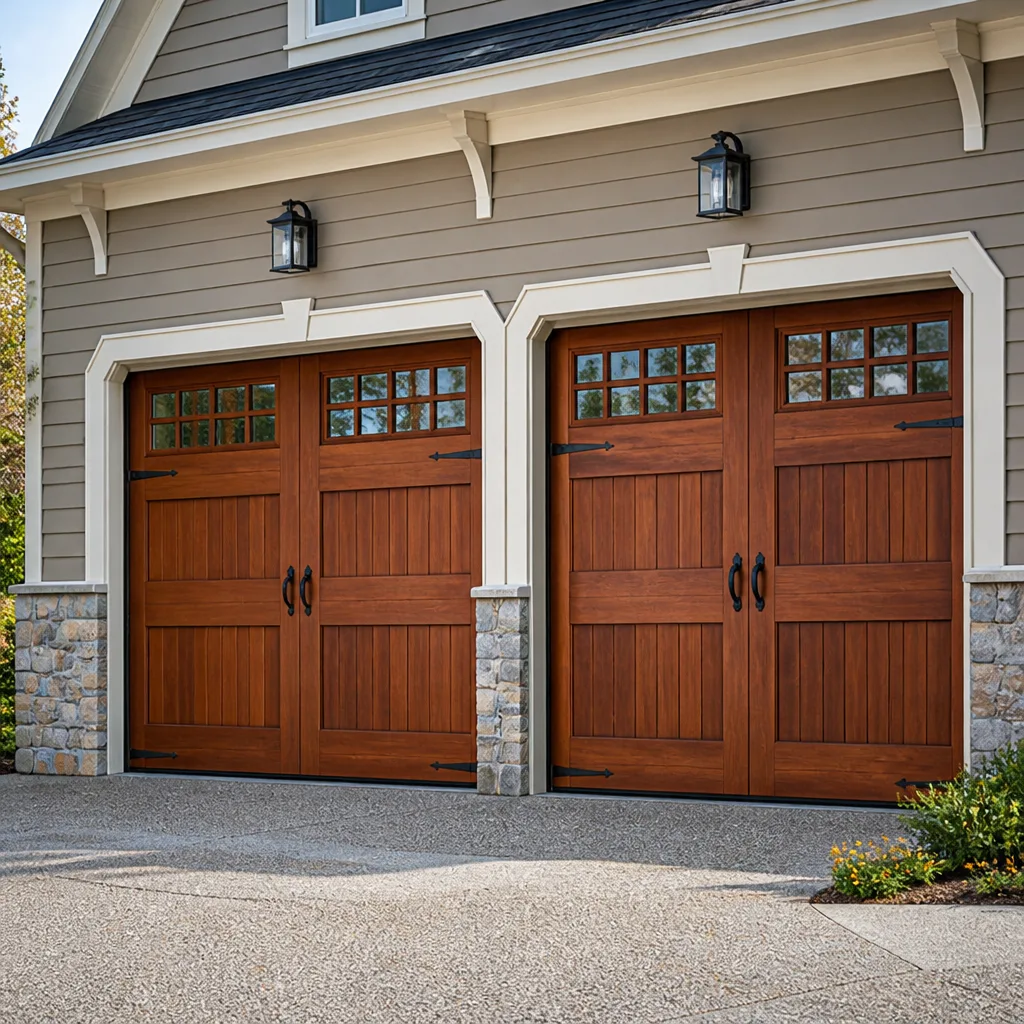 Carriage house
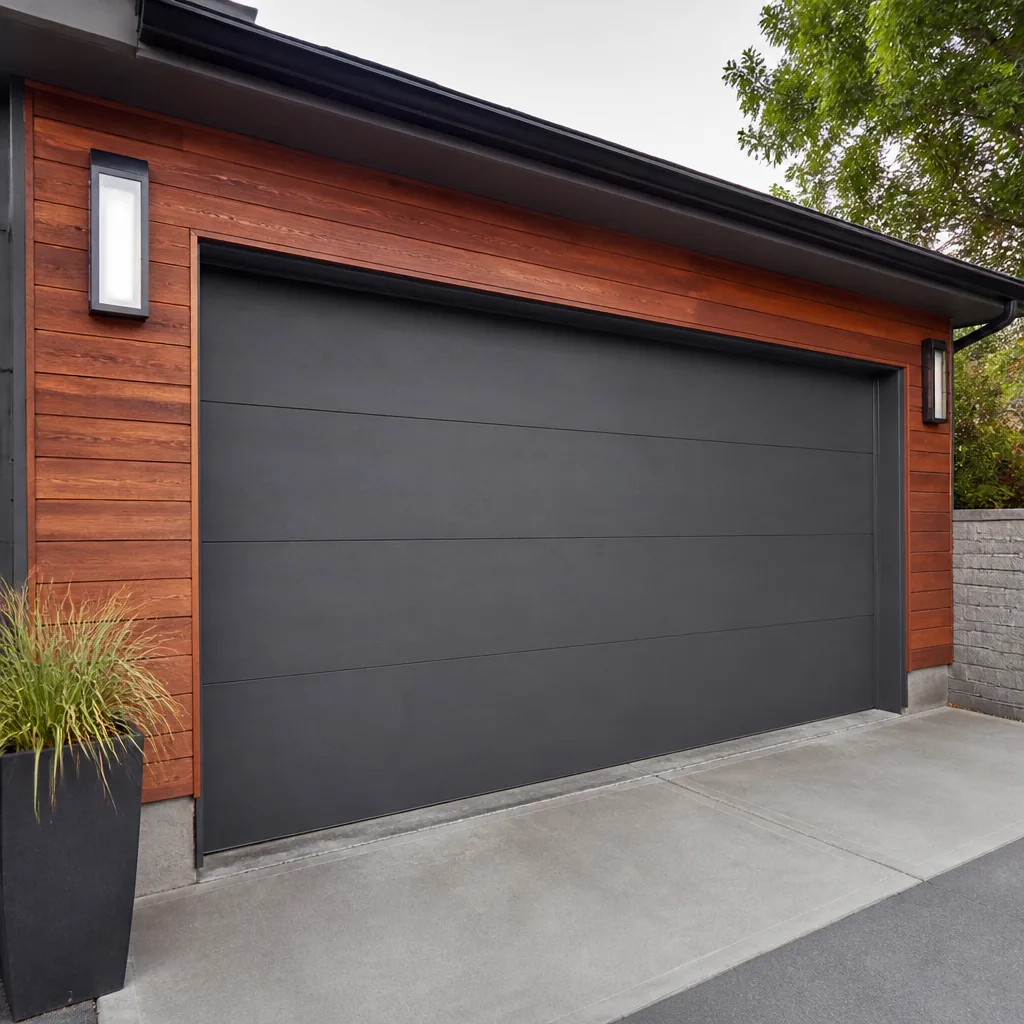 Modern flush
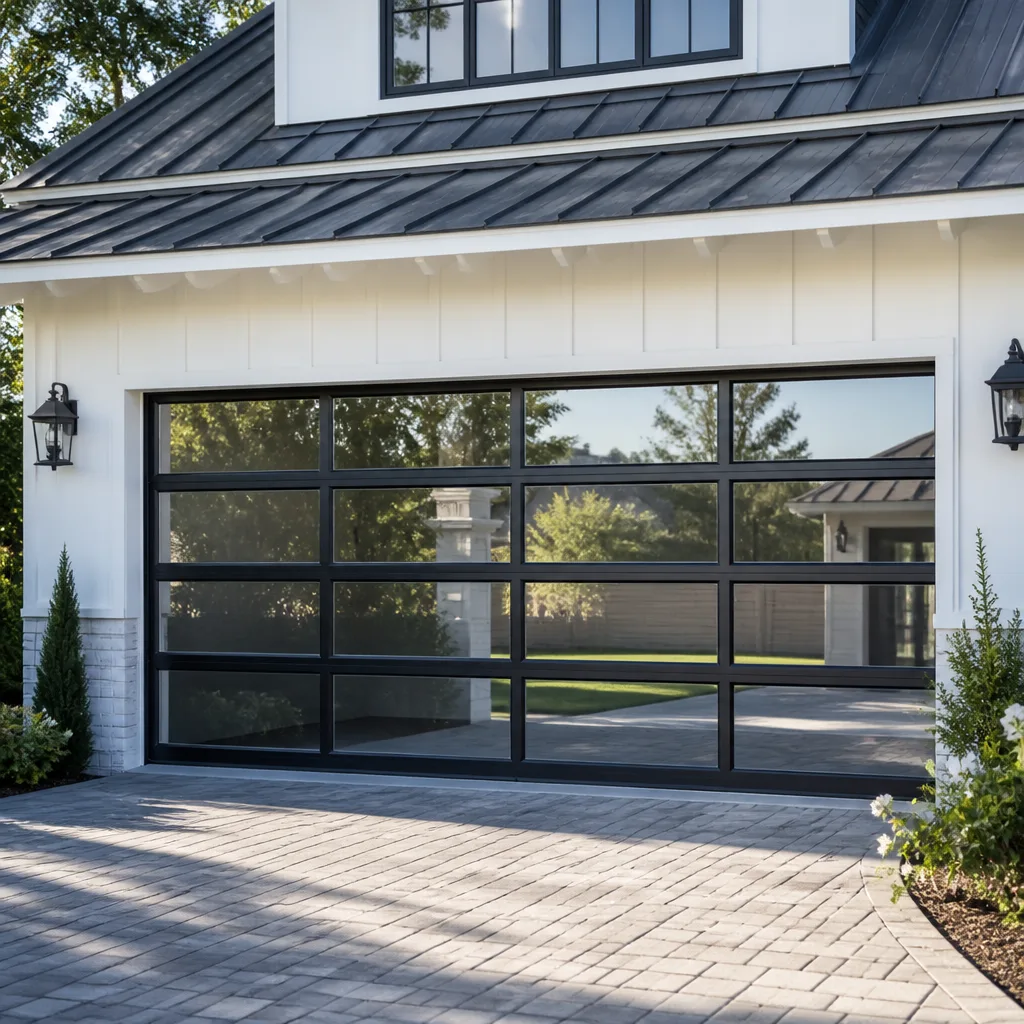 Full-view glass
 LiftMaster openers
 Chamberlain openers
Full 25-point door and opener safety check with every visit - springs, cables, rollers, tracks, and your LiftMaster or Chamberlain opener included
You get a price before we start. It does not change when the pro arrives.
Get your free estimateGarage Door Permits, Codes & Inspections in Tacoma, WA: What You Need to Know
The permit conversation around garage doors in Tacoma runs in two wrong directions at once. Plenty of homeowners assume every garage door job needs a building permit and stall on a spring repair they could have booked days ago. Just as many assume no garage door work ever needs one, then discover during a home inspection that a door they replaced years ago was never signed off. If a door was swapped without a permit and your inspector flags it during a sale, you can be pushed into retrofitting the opening to current wind-load requirements, a standard that may not have applied to the door that was there before. This guide draws the actual line: what needs a City of Tacoma permit, what doesn’t, how the energy code treats insulated doors, how wind load shapes panel specs here, and what an unpermitted install really costs you at resale.
Quick Answer
In Tacoma, replacing a garage door with a like-for-like unit normally doesn’t require a building permit, but changing the opening, altering the structural framing, or installing a door that changes the wind-load or energy performance of the assembly generally does. Spring, cable, roller and opener repairs are maintenance and don’t need a permit. Because requirements shift with the scope of work, always confirm with the City of Tacoma’s building department before you order a door.
Styles & brands we work with
- Raised-panel steel
- Carriage house
- Modern flush
- Full-view glass
- LiftMaster openers
- Chamberlain openers
Table of Contents
- Does Your Garage Door Project Need a Permit in Tacoma?
- What “Like-for-Like Replacement” Actually Means
- Insulated Doors and the Washington State Energy Code
- Wind-Load Requirements in Tacoma and Pierce County
- What a Garage Door Inspection Covers
- Already Unpermitted? Your Options and Disclosure Duties
- Common Mistakes to Avoid
- When to Call a Professional
Does Your Garage Door Project Need a Permit in Tacoma?
The short answer is that the permit decision follows the scope of work, not the word “garage door.” Pulling a door out and putting a new one of the same size back in its existing track is treated very differently from cutting the opening wider, reframing the header, or converting a manual door to an opener on a door that was never built for one. In Tacoma, the dividing line usually comes down to whether the work touches the structure of the home or just the door itself.
Here’s the practical breakdown of what we see when homeowners call us to talk through a project.
Work that typically does not require a building permit
- Replacing a torsion or extension spring with a matching spring of the same rating
- Swapping cables, rollers, hinges, drums or bearings
- Replacing a garage door opener with a unit of similar capacity
- Replacing a door with a like-for-like unit in the existing opening, same dimensions, same material class
- Adjusting a door that has come out of balance or is off track
Work that generally does require a permit
- Enlarging or narrowing the garage door opening
- Changing the header, jambs or framing that support the door
- Converting a non-habitable garage into conditioned living space, which changes how the door is classified
- Installing a door where none existed, such as enclosing a carport or adding a second bay
- Any install where the new door’s specifications differ in a way that changes the structural or energy load on the assembly
Because the thresholds are tied to scope and to how the city reads the code at the time you apply, the right move before ordering a door is a phone call to the City of Tacoma building department. They’ll tell you exactly what your address needs. When we quote a garage door installation, we work from that answer so nothing gets ordered until the permit question is settled.
What “Like-for-Like Replacement” Actually Means
“Like-for-like” is the phrase that decides most Tacoma garage door permit questions, and it’s also the phrase homeowners most often misread. It doesn’t mean “any door that fits the hole.” It means a replacement that matches the original in the ways the code cares about: dimensions, structural impact, and how the assembly performs. When your new door is a true match, the exemption usually applies. When it isn’t, the project usually flips into permit territory.
The four tests we walk through
- Size. Does the new door fit the existing opening exactly, with no changes to the track, jamb or header?
- Attachment. Does the new door mount to the same framing and hardware points as the old one?
- Wind-load performance. Does the new door meet or exceed the design pressure the original opening was built for? A lighter door with fewer or thinner struts often doesn’t.
- Energy performance. If the garage is conditioned or attached to conditioned space, does the new door’s insulation meet what the current energy code asks for?
If the answer to all four is yes, you’re almost always in like-for-like territory and aren’t pulling a permit for a straight swap. If any answer is no, treat it as new work until the city tells you otherwise. This is also where the door manufacturer matters. A Clopay model built to a given wind rating behaves differently from a lighter unit of the same width, and the spec sheet is what the inspector reads. Our technicians have up to 15 years of experience working across LiftMaster, Chamberlain, Genie, Clopay and the other major names, so they can read those specs against your opening before a door ever gets ordered.
Insulated Doors and the Washington State Energy Code
The Washington State Energy Code is the piece most homeowners skip, and it’s the one that bites hardest on replacements. If your garage shares a wall with conditioned space, or if the garage itself is being conditioned, the door plays a role in the building’s thermal envelope. That means a replacement door may need to meet an insulation and air-sealing standard even when the size and shape never change. A builder-grade uninsulated panel that passed years ago may not clear the bar now.
What that means in practice
- The code cares about the assembly, not just the door panel. Air leakage around the perimeter, at the threshold and between sections counts.
- Insulated doors from Clopay and similar makers publish their thermal values. The inspector wants the door’s rating and the sealing detail, not a verbal assurance.
- An uninsulated garage that’s fully detached and open to outside air is usually treated more simply than an attached garage next to a bedroom.
- If you’re improving the garage as part of a larger remodel or conversion, the energy code applies to the whole envelope and the door has to fit that plan.
Here’s the encouragement: the energy code rarely means you can’t replace your door. It means you need to choose a door whose thermal performance matches the classification of your garage before you order. Ask the installer to hand you the spec sheet for the exact model going in, then confirm with the city whether that classification triggers any code requirement at your address. Getting this right protects you at resale, because an insulated replacement done to spec is easy to document, while an unpermitted downgrade is hard to explain.
Wind-Load Requirements in Tacoma and Pierce County
Wind load is the single biggest reason a garage door that looks “the same” isn’t the same. Every exterior wall in a home is designed to resist a certain wind pressure, and the garage opening is a large, flexible panel in that wall. Wider doors, doors facing open exposure, and doors with fewer reinforcement struts all carry different design pressures. A replacement door that’s lighter than the original can fail the wind-load review even though it’s the same width and height. This is exactly where unpermitted installs cause trouble at inspection and resale.
How wind load shapes the door you buy
- Door width drives the number of struts and the anchor specifications. A double door needs more than a single, even with identical construction.
- Model families are built in rated versions. A Clopay or Amarr door ordered for a code-minimum opening is specified differently from a lighter retail unit of the same face design.
- Track gauge, bracket anchoring and jamb attachment all contribute. A door that meets its rating on paper can still fail if it’s hung on hardware that wasn’t specified for it.
- The design pressure is set by where the house sits and how it’s exposed, so the same door numbers can be right for one Tacoma address and not another.
What matters most is that your installer matches the door’s rated assembly to the design pressure on the original build or on the city’s requirements, and that the install follows the manufacturer’s fastening details. A door that’s rated correctly but hung incorrectly doesn’t pass. This is one of the reasons we treat installation as a measured job rather than a one-day swap, and it’s why the written quote should spell out the model and its rating before anything is ordered.
What a Garage Door Inspection Covers
Whether it’s a city inspection after permitted work or a home inspection during a sale, a garage door inspection walks the same basic checklist. It looks at balance, hardware integrity, safety devices, and how the door performs as a system. Knowing what gets checked is the difference between passing cleanly and getting a corrective list.
The inspection checklist
- Balance. The door should hold position by hand about halfway up. A door that races down or needs a strong lift is out of balance.
- Spring condition. Springs are checked for breaks, gaps and uneven tension. This is a visual check only; you shouldn’t touch a spring yourself.
- Cables and drums. Fraying, slack or mis-seated cable is a red flag.
- Fasteners and anchoring. Hinge plates, brackets, brackets-to-jamb and lag screws into the framing all get a look, especially on the door meeting its wind-load spec.
- Track alignment and rollers. Rollers should spin freely; track should be straight and level.
- Safety reversal and photo-eye. The door should reverse on obstruction and the photo-eye should stop the door when broken. This is required and commonly checked.
- Documentation. For permitted work, the inspector wants to see the approved plans, the door spec sheet, and confirmation that the install matches.
The safety devices are non-negotiable. If the photo-eye or the reversal mechanism isn’t working, the door fails even if everything else is perfect. Repairing those is a quick fix on the right opener, and we handle garage door opener repair on LiftMaster, Chamberlain, Genie and other major brands. Get them fixed before the inspection date so a five-minute adjustment doesn’t cost you another appointment.
Already Unpermitted? Your Options and Disclosure Duties
If you’ve already got a garage door or opener that went in without a permit, you aren’t stuck. Washington has a process for retroactive permits, and the route usually starts with a call to the City of Tacoma building department to explain what was installed, when, and what documentation you have. From there, the city tells you whether they’ll accept the existing work with a records request or require a new inspection to validate it.
What you’ll usually be asked for:
- The door manufacturer and model number, if you can find it on the door or opener
- The spec sheet showing wind-load and, if relevant, insulation ratings
- A photo of the installed opening and hardware
- Any original documentation from the installer or seller
On the real estate side, Washington sellers are expected to disclose known defects and material facts about the property, and an unpermitted garage door install that affects structure, safety or energy performance can land in that category. Buyers typically get a home inspection, and inspectors are good at spotting a door that doesn’t match the original build or a spec sheet that doesn’t match the opening. The cleanest path is to get ahead of it: call the city, get the work documented or retroactively permitted, and have a clear paper trail when you list.
We can help you get the documentation needed. When we quote a garage door repair or replacement in Tacoma, we collect the model and spec info for the work so you’re not starting from scratch at resale. The price for the work is set per job by the written estimate, quoted and agreed before any work starts, so there are no surprises on the invoice.
Common Mistakes to Avoid
- Assuming every garage door job needs a permit. Spring, cable, roller and opener repairs don’t require a building permit. Stalling a necessary repair over a permit question can leave a dangerous spring in place longer than it needs to be.
- Assuming no garage door job ever needs one. New openings, widened openings and structural changes routinely require a permit in Tacoma. Skipping it is the mistake that surfaces years later at resale.
- Ordering a door before checking wind-load spec. A door that’s the right size but the wrong rating won’t pass the wind-load review. Match the rated assembly to your opening before the door is ordered, not after it’s on the wall.
- Ignoring the energy code on an attached garage. Insulated door requirements for conditioned or attached garages are often missed on straight swaps. Check the code classification of your garage before choosing a panel.
- Handling springs or cables as a DIY project. Torsion springs are under extreme tension. Even experienced homeowners get hurt. Springs are a job for a trained technician with the right winding equipment, not a weekend project.
- Treating “like-for-like” as “any door that fits.” If size, attachment, wind-load or thermal performance changes, you’re in new-work territory. Have the specs read by someone who knows what the inspector will check.
- Relying on an inspection-clearing fix at the last minute. Photo-eye and reversal failures are easy to fix but easy to forget until the inspector shows up. Test them a week before, not a day before.
When to Call a Professional
Some garage door work is safe to leave to a hand and a ladder: wiping the track, tightening a bracket, testing the photo-eye. The rest is a different story. Any time a torsion spring is broken, a cable is slack or frayed, the door is out of balance or off track, or the door won’t open or close at all, the safest move is a trained technician. Springs and cables sit under extreme tension and can cause serious injury in a fraction of a second. An opener that’s struggling, reversing randomly or failing the obstruction test also deserves a professional look before someone gets hurt.
Tacoma Garage Door Repair Pros offers free estimates in Tacoma. Call (844) 709-1359. We answer 24/7. Fast dispatch from 7am to 7pm, Sunday through Friday. If you’re planning a replacement and want the code questions sorted before you order, or if a door has failed and you need it safe today, we connect you with a local specialist who works on the door that’s already on your house, not a proprietary system they’re trying to sell.
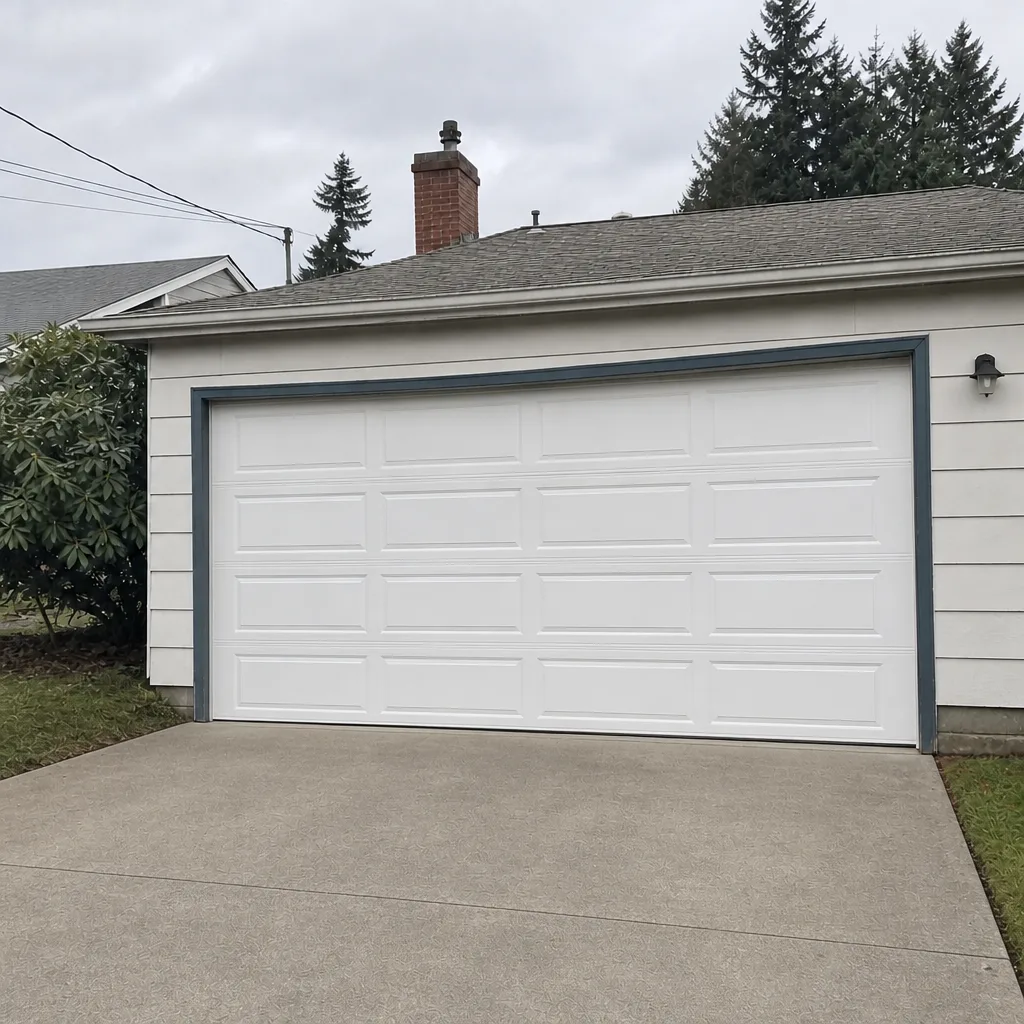
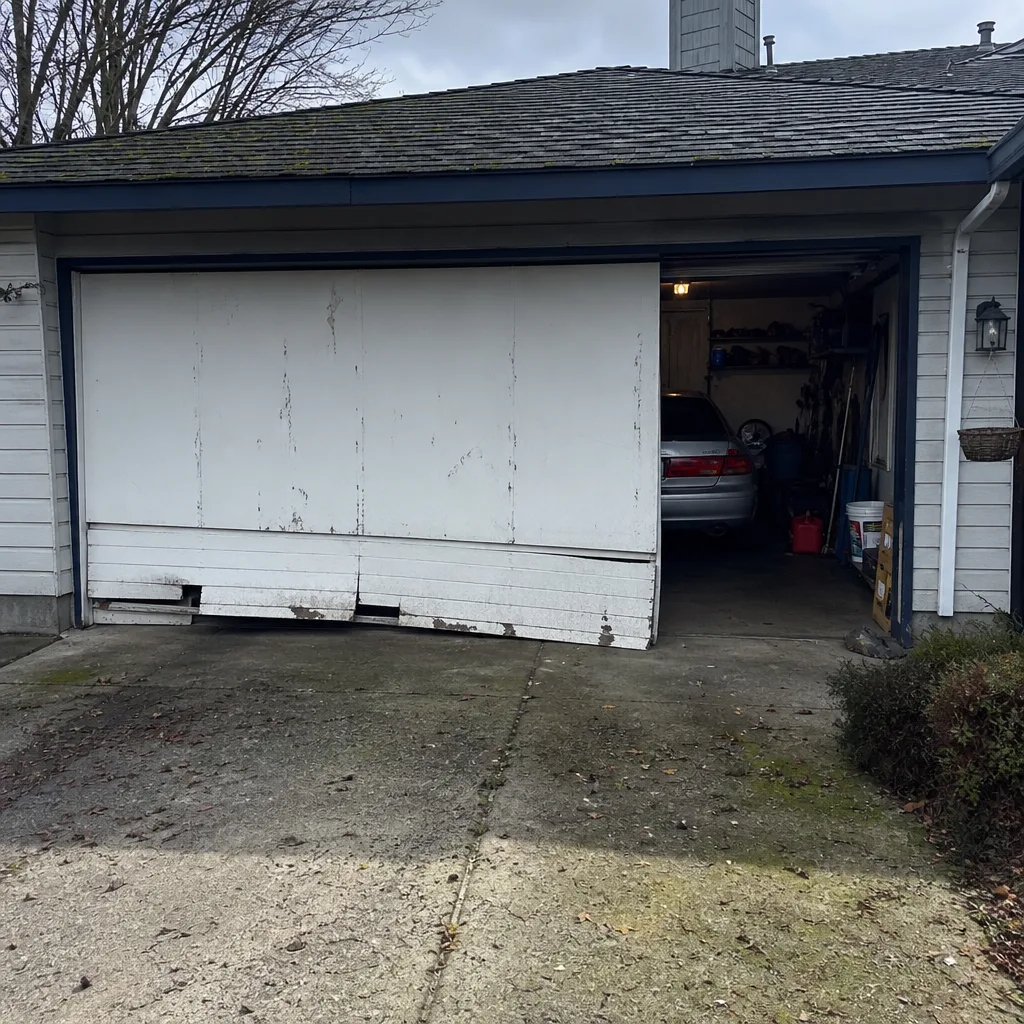
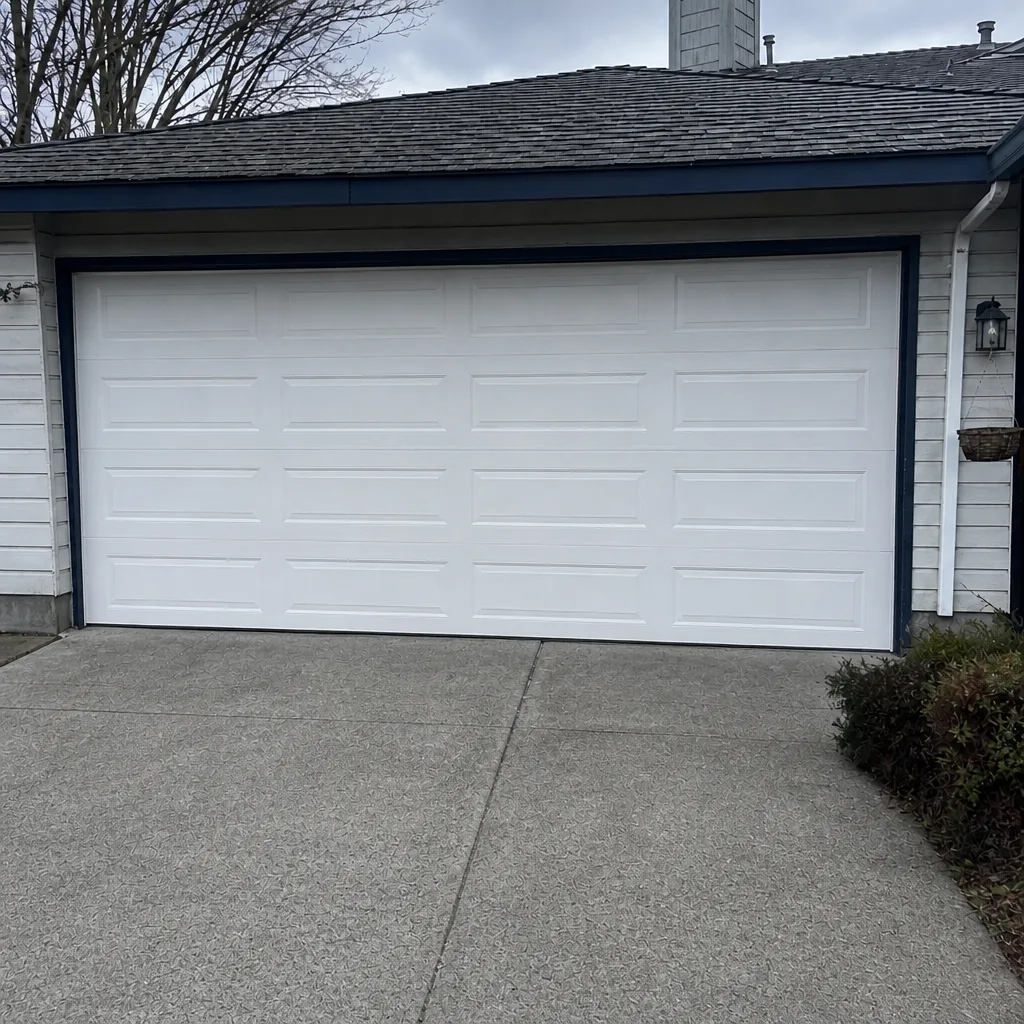
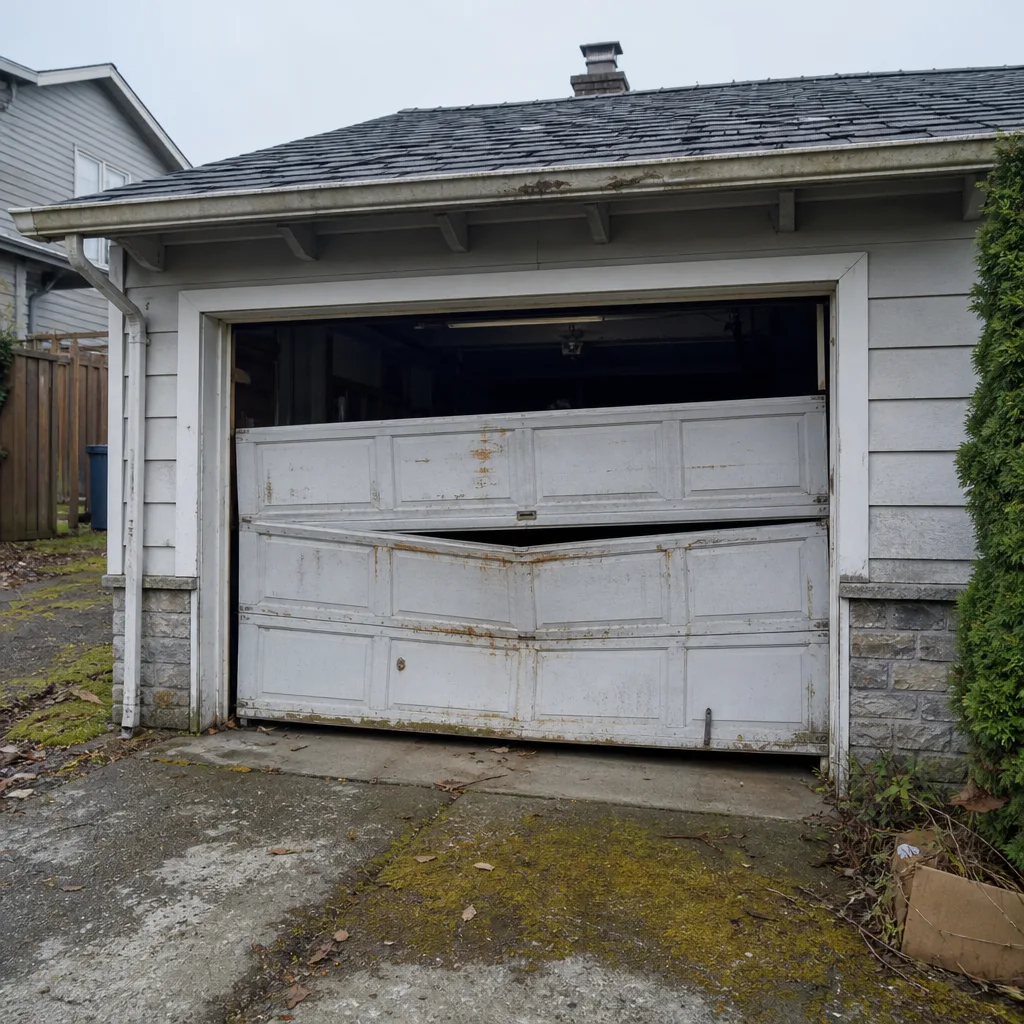
See the difference
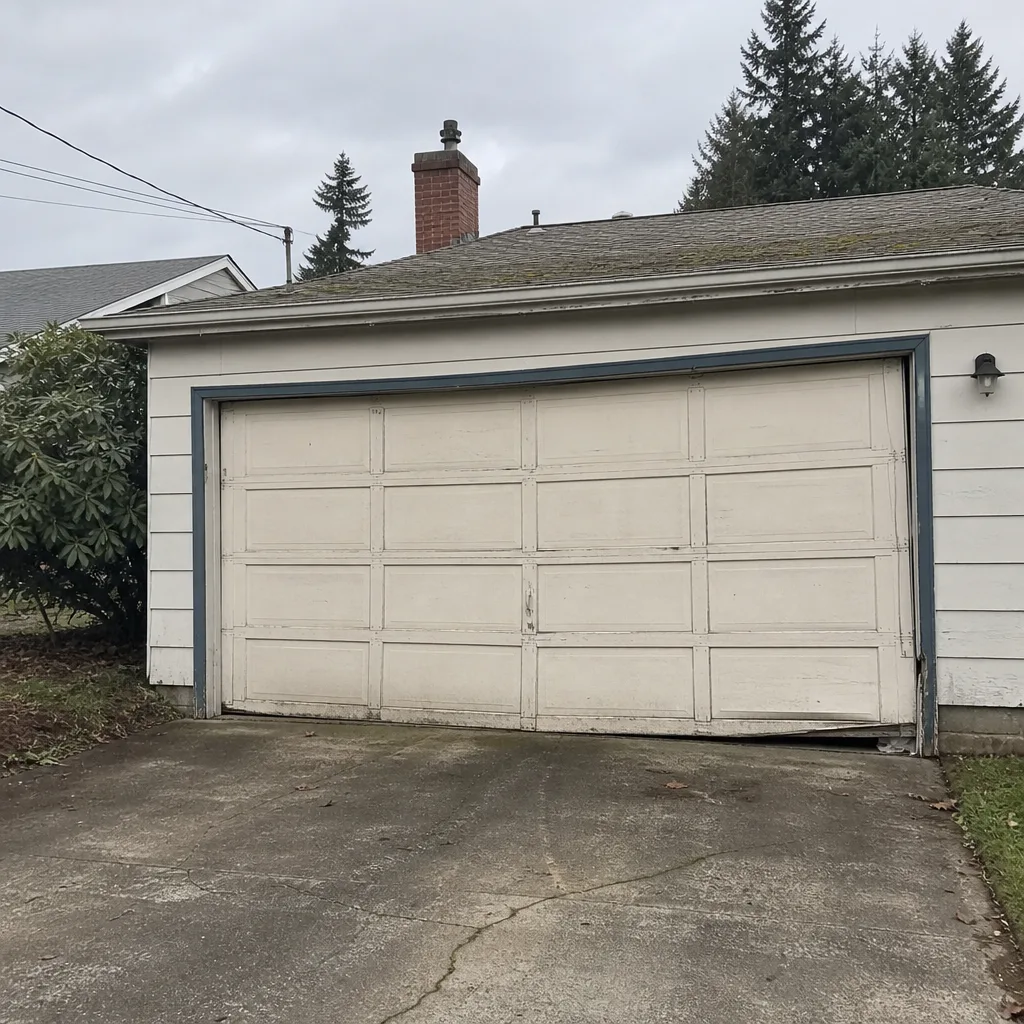 Before
 After
 Before
 After
 Before
 After
Frequently Asked Questions
Not in most cases. A like-for-like replacement in the existing opening, same size and same structural and energy performance, typically doesn’t require a City of Tacoma building permit. Changing the opening size, reframing the header, or installing a door that doesn’t meet the current wind-load or energy requirements usually does. Confirm with the city’s building department before ordering. Call (844) 709-1359 for an exact quote on the work; estimates are free.
No. Spring replacement is maintenance and doesn’t require a building permit. That doesn’t make it safe to do yourself: a torsion spring holds the full weight of the door under extreme tension and can fail without warning. Spring repair is a job for a trained technician with proper winding equipment. Call (844) 709-1359 to book a free estimate.
Like-for-like means the new door matches the original in the ways code cares about: dimensions, structural impact, wind-load performance and thermal performance for the garage classification. It ends the moment the size changes, the framing changes, or the new door’s rating drops below what the opening was built for. When in doubt, ask the city whether your address needs a permit. Call (844) 709-1359 to have us walk the specs with you before you order.
It becomes a negotiating point and can stall the sale. In Washington, sellers are expected to disclose material facts about the property, and an unpermitted install that affects structure, safety or energy performance can land in that category. The fix is usually a retroactive permit or a documented inspection of the existing work through the city, plus the door’s spec sheet. Call (844) 709-1359 to get the model and documentation together before you list.
It can, yes. If the garage is conditioned or shares a wall with conditioned living space, the door is part of the building’s thermal envelope and the replacement may need to meet an insulation and air-sealing standard even when the size is unchanged. Detached, unconditioned garages are usually treated more simply. Confirm the classification with the city before you choose a door. Call (844) 709-1359 for a free estimate on the install.
The written estimate sets the price, and it’s agreed before any work starts. If the scope changes because of something we find once we’re on site, we tell you and get your approval before anything is added to the invoice. There’s no service-call fee for the estimate, and the number in the written quote is the price you pay. Call (844) 709-1359 for an exact quote; estimates are free.
Same-day service is available for urgent situations, including a door stuck open, stuck shut or structurally compromised. We answer 24/7. Fast dispatch from 7am to 7pm, Sunday through Friday. a call outside those hours is booked into the next opening. Call (844) 709-1359 and we’ll find the closest slot.
The Bottom Line
Most garage door work in Tacoma doesn’t need a building permit, but the work that does is exactly the work that gets flagged at resale: new openings, structural changes, and replacements whose wind-load or energy performance doesn’t match the original build. Match the door’s spec to your opening before you order, confirm the garage’s energy classification with the City of Tacoma building department, and keep the door’s documentation. If you’re stuck with an unpermitted door, retroactive options exist and getting ahead of them is far cheaper than explaining it at closing. Springs and cables are never a DIY job; call a specialist. The main thing is not to guess on either side: a quick call to the city answers the permit question, and a quick call to us answers the repair question. Call (844) 709-1359 for a free estimate in Tacoma. We work on the brand that’s on your house.
Written by the team at Tacoma Garage Door Repair Pros.