
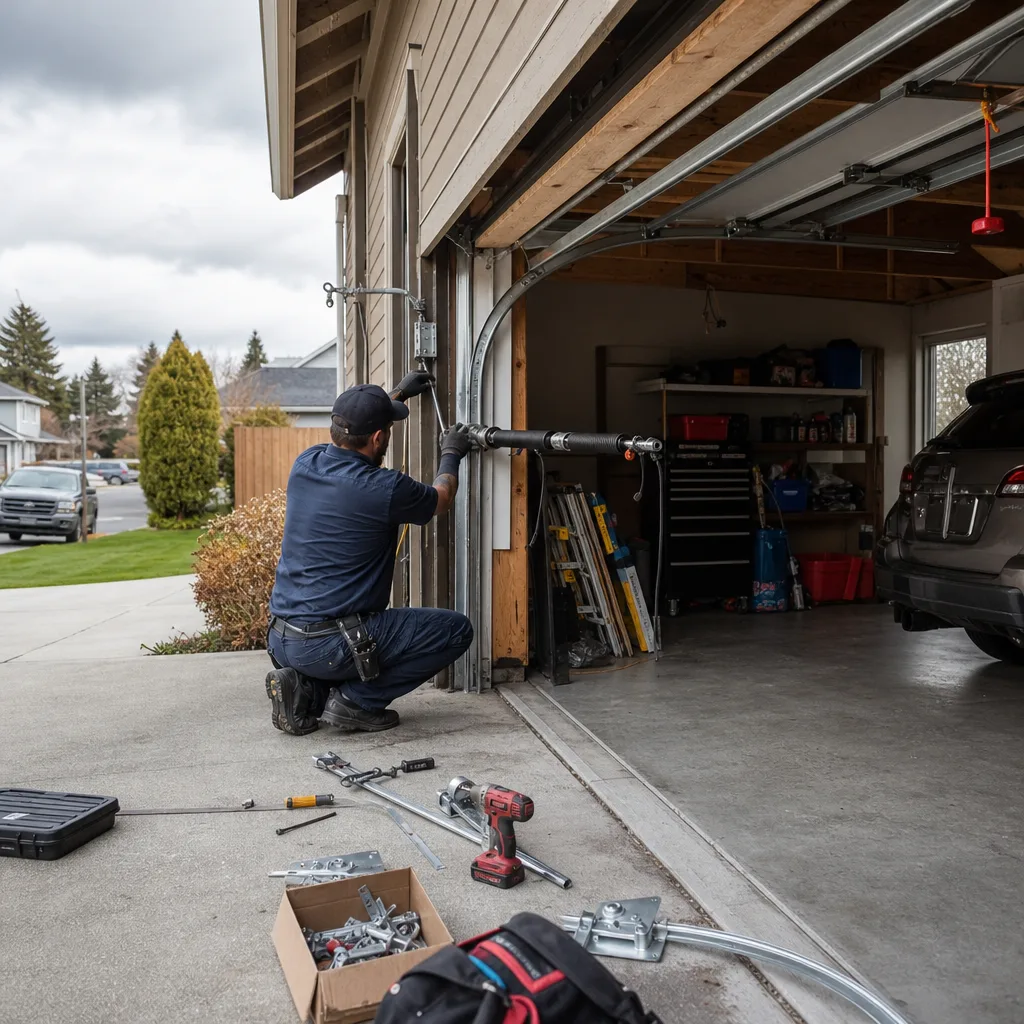
Last updated November 21, 2026
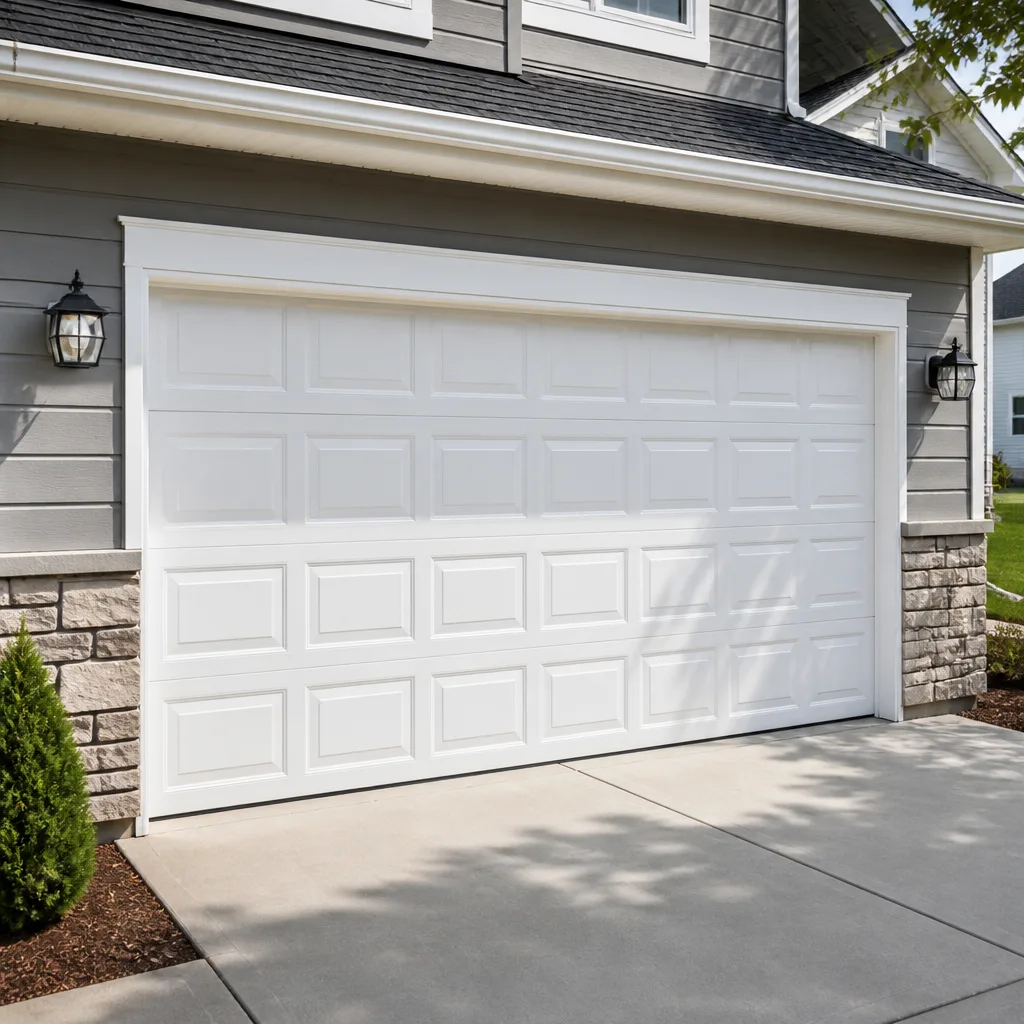 Raised-panel steel
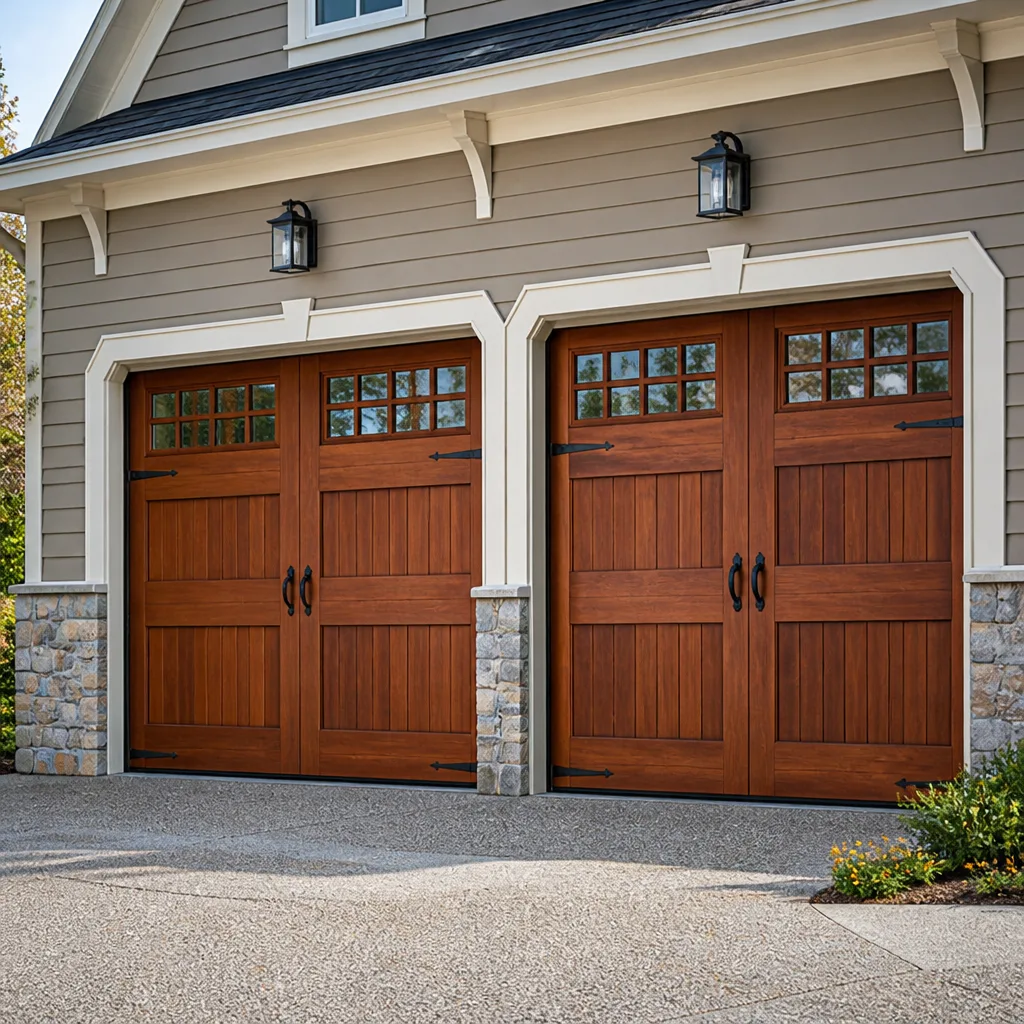 Carriage house
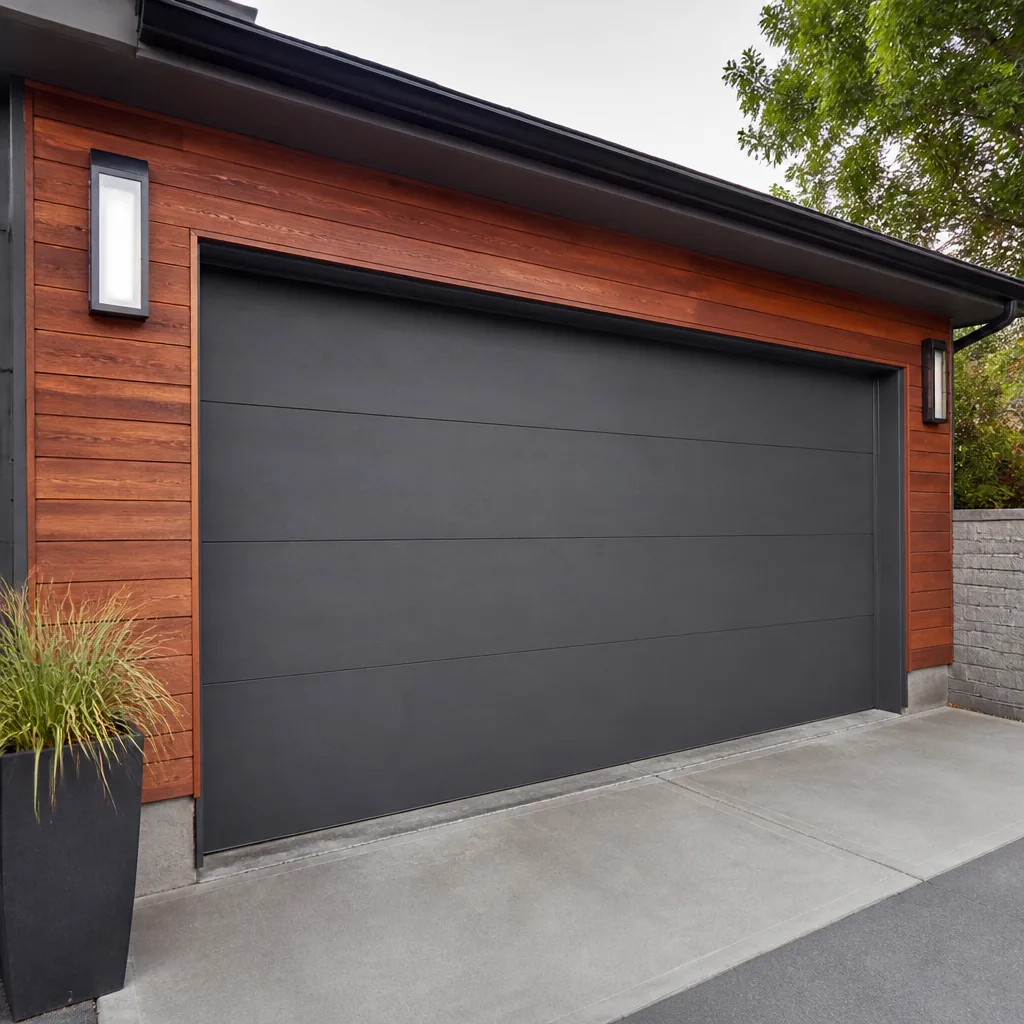 Modern flush
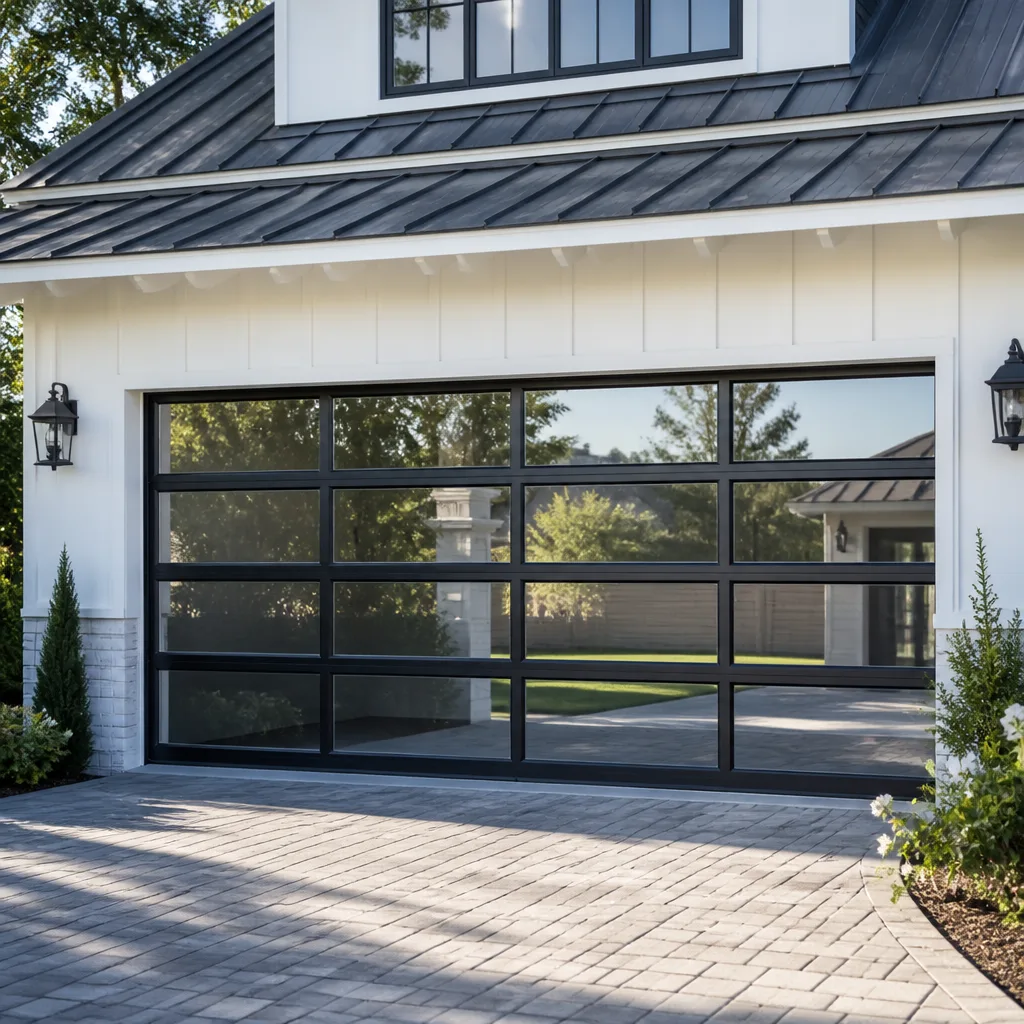 Full-view glass
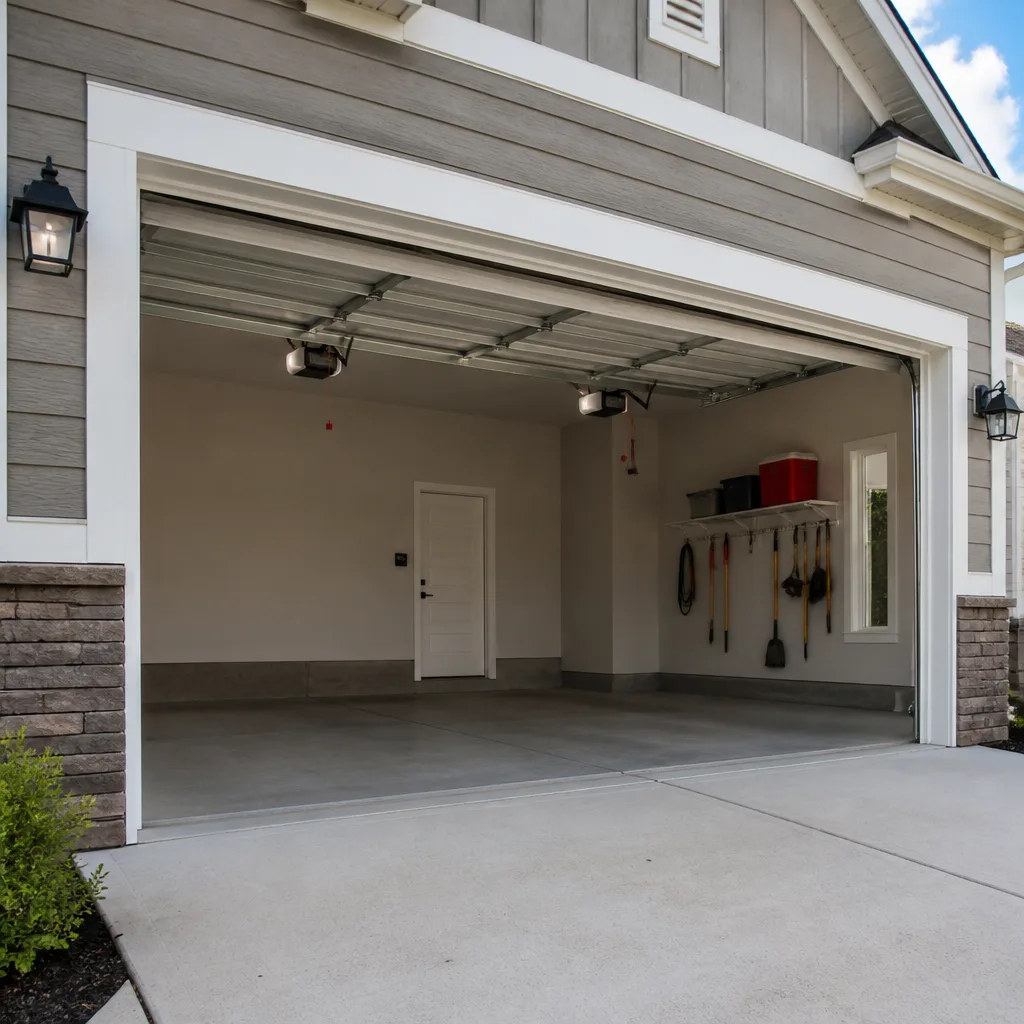 LiftMaster openers
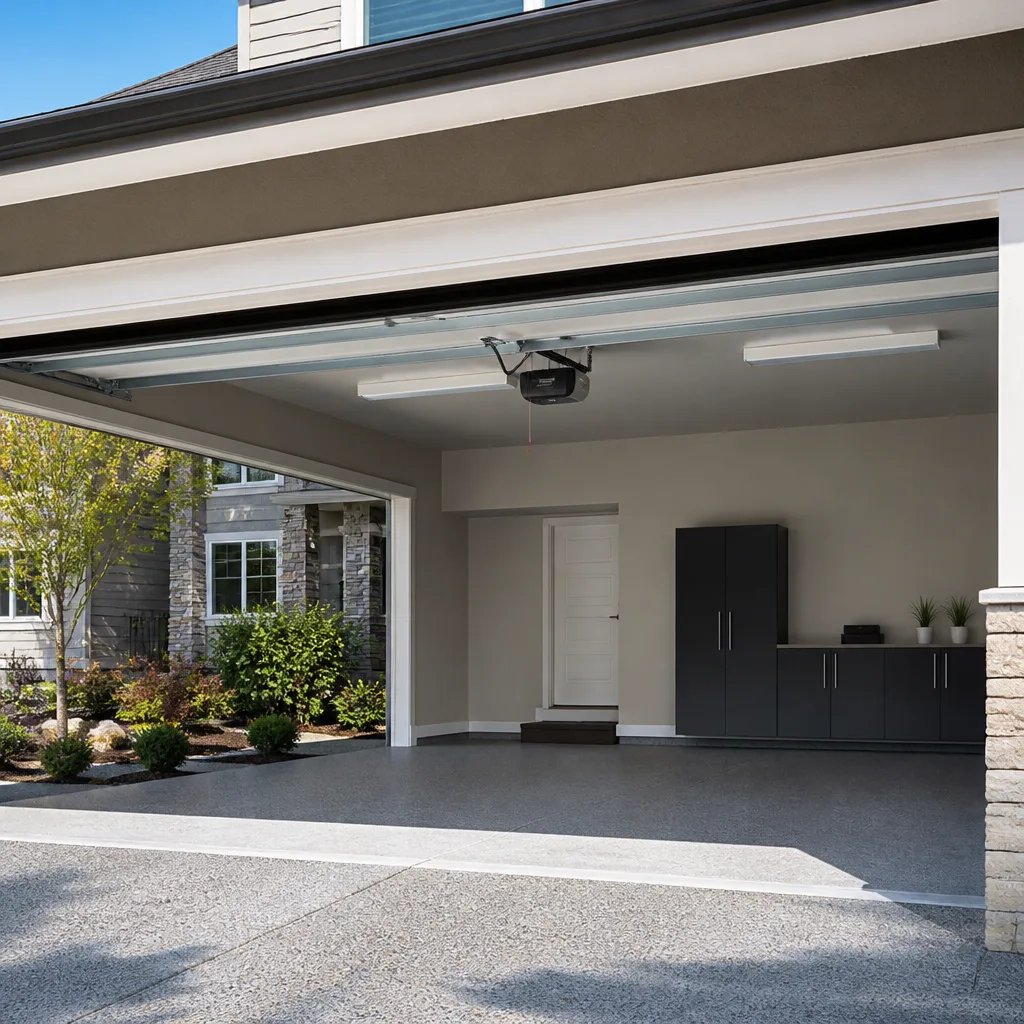 Chamberlain openers
Full 25-point door and opener safety check with every visit - springs, cables, rollers, tracks, and your LiftMaster or Chamberlain opener included
You get a price before we start. It does not change when the pro arrives.
Get your free estimateGarage Door Emergency Preparedness Guide for Tacoma Homes
Most homeowners treat their garage door like an appliance that either works or doesn’t. The truth is duller and more useful: a garage door is a system with a few predictable failure points, and almost every emergency you’ll face in Tacoma starts with one of them. A windstorm knocks out power and your car is stuck inside. A torsion spring snaps and the door won’t budge. A door jams half-open and stays that way overnight. None of those moments need to feel like a crisis if you already know what to do. This guide walks you through the four most common garage door emergencies in Tacoma and gives you a calm, specific playbook for each one, so the next time something goes wrong, you’re prepared instead of panicked.
Quick Answer
Garage door emergencies in Tacoma usually fall into four categories: power outage with the car trapped inside, a broken torsion spring, a door that closes but won’t seal, and a door stuck open that needs to be secured. Each has a clear first step. If the door is stuck or a spring is broken, don’t force it - pull the manual release only when the door is fully closed and spring tension is intact, and call a specialist for anything involving springs. Call (844) 709-1359. We answer 24/7. Fast dispatch from 7am to 7pm, Sunday through Friday.
Styles & brands we work with
- Raised-panel steel
- Carriage house
- Modern flush
- Full-view glass
- LiftMaster openers
- Chamberlain openers
Table of Contents
- How to Operate the Manual Release on a Powered Garage Door
- What to Do When a Torsion Spring Breaks
- When Your Door Closes but Won’t Seal
- Tacoma Power Outage Protocol: Securing a Stuck Door Overnight
- Pre-Emergency Checklist: Three Things to Know Before Anything Goes Wrong
- When to Call a Professional
- Frequently Asked Questions
How to Operate the Manual Release on a Powered Garage Door
Your garage door opener has a manual release cord that disconnects the door from the motor so you can lift it by hand. On most modern openers, the cord hangs from a trolley near the center of the door track, and it has a red handle. On older openers, the mechanism might be a lever instead of a cord, or the release might sit closer to the motor housing itself.
The single most important rule: only pull the release when the door is fully closed and the spring is intact. If the spring is broken, the door’s weight is unsupported, and pulling the release can send the door crashing down. If the door is partially open, pulling the release drops it the rest of the way. Neither scenario is one you want to discover in the dark.
Here’s the sequence for a powered door during a normal power outage:
- Confirm the door is fully closed. Look at the bottom seal. If it’s touching the floor evenly, you’re clear.
- Locate the release cord. It should hang near where the door meets the opener rail. If you can’t find it, don’t force anything - call for help.
- Pull the cord straight down with steady pressure. You should hear a click or feel the trolley disconnect.
- Lift the door slowly by hand. It should rise with moderate resistance. If it feels extremely heavy or won’t lift at all, stop. That’s a spring problem, not an opener problem.
- Reconnect the door after power returns. Pull the release cord again or push the trolley back into engagement per your opener’s manual, then run the door through one full cycle to test.
When the Release Doesn’t Disengage Cleanly
On older openers, especially some Craftsman and Chamberlain models from a couple of decades back, the trolley can bind up. The cord pulls but nothing happens, or you hear a partial click and the door still won’t move by hand. This is common when the trolley hasn’t been operated manually in years and the grease has hardened.
Don’t yank harder. If the release won’t disengage, you’re better off leaving the door closed and calling for garage door repair rather than forcing the mechanism. Forcing it can bend the trolley arm or damage the opener carriage, and that turns a quick fix into a bigger job. Our technicians work on the full range of common opener brands, including LiftMaster, Chamberlain, Genie, Craftsman, and Raynor, and we’ll tell you straight whether the opener just needs a release adjustment or whether it’s time for garage door opener repair.
What to Do When a Torsion Spring Breaks
A broken torsion spring announces itself with a loud bang that sounds like a gunshot coming from the garage. The door may sag slightly, the opener may run but not lift the door, or the door may not move at all. The spring itself will usually have a visible gap where the coil has separated.
Here’s the most important thing to understand: do not try to open the door manually after a spring breaks. The spring is what counterbalances the door’s weight. Without it, the door could weigh two hundred pounds or more, and a manual lift can drop it on you or wrench it off its tracks. Even a powered lift is dangerous because the opener isn’t designed to move that much weight alone.
What to do instead:
- Leave the door where it is. Closed is fine. If it’s already partially open, don’t touch it.
- Unplug the opener. The motor should not be asked to lift a door with no spring assistance.
- Keep people and pets away from the door. Don’t park under it or lean anything against it.
- Call a garage door specialist. Spring replacement is a job for trained technicians with the right winding tools and the right safety equipment.
Torsion springs are under extreme tension. This is not a DIY repair. A technician uses winding bars and specific procedures to release and re-tension the spring safely, and the job usually takes less than an hour for someone who does it every day. In our experience in Tacoma, most homeowners discover the broken spring on a Sunday morning when they’re trying to leave for something, which is why we keep Tacoma Garage Door Repair Pros set up for fast response rather than treating spring work as a routine follow-up.
How Much Does Spring Repair Cost in Tacoma?
Typical pricing to replace a single torsion spring in the Tacoma area runs about $180 to $340 depending on the door’s size and the spring type. A matched pair is usually replaced together, and a pair costs about twice that. If the spring broke because the door is out of balance or the tracks are misaligned, that’s a separate item the technician will price on the estimate.
Whatever the final number is, you’ll see it in writing before any work starts. The written estimate is the price. Call (844) 709-1359 for a free estimate.
When Your Door Closes but Won’t Seal
This one shows up every fall and winter in Tacoma. The door drops all the way down, but the bottom seal doesn’t contact the floor evenly. You see daylight under one corner, or you feel a draft when you stand inside. In a windstorm, rain can drive under the door and pool on the garage floor, which is not what you want near stored tools, boxes, or anything electrical.
The most common causes are:
- Worn-out weatherstripping. The rubber or vinyl seal at the bottom of the door hardens with age and stops flexing to meet the floor.
- An uneven floor. Concrete settles. A garage floor that was flat twenty years ago may have a low spot that the door can’t fully seal against.
- Track misalignment. If the door is slightly off-track, it closes at an angle and leaves a gap on one side.
- Bent or damaged bottom panel. Impact damage can push the panel out of true so the seal sits unevenly.
Temporary Fixes That Actually Hold
If you need to keep rain or wind out before a technician can get to you, a few temporary measures work reasonably well:
- Push a foam backer rod or a rolled-up towel against the gap on the inside. It won’t be weathertight, but it will stop wind-driven rain from running straight in.
- Lay a heavy plastic sheet over the inside of the door and weight the bottom edge. This creates a vapor barrier at the bottom, not a permanent seal.
- Tape a foam weatherseal strip to the floor under the gap. Peel-and-stick foam works for a day or two in dry cold. It won’t hold if the concrete is wet.
These are stopgaps, not fixes. A proper seal replacement means new weatherstripping and, if the floor is uneven, a bottom seal designed to bridge small dips. Call (844) 709-1359 to schedule a free measure and written price for a door seal replacement. That work is measured and scheduled, not dispatched, so we won’t promise same-day service - we’ll promise a written number before anything starts. If the door is also out of balance or the opener is failing at the same time, our garage door installation team can talk you through whether repair or replacement makes more sense for the door you have.
Tacoma Power Outage Protocol: Securing a Stuck Door Overnight
Tacoma gets windstorms that knock out power, sometimes for hours. When that happens and your car is inside a closed garage, the manual release is your first move. But what if the door is already stuck open when the power dies, or you’ve opened it manually and now you can’t close it? That’s when securing the door overnight becomes the priority.
If the Door Is Stuck Open
A garage door that stays open all night is an open invitation. You don’t need to fix the door to secure it. You need to make it harder to walk through.
- Check if your opener has a battery backup. Many LiftMaster and Chamberlain openers sold in the last several years include a battery backup that will raise or lower the door one or more times during an outage. Look for a battery compartment on the opener head or a small plug-in battery unit nearby.
- If there’s no battery backup, lower the door by hand. Release the trolley with the manual cord, lower the door slowly by hand until it’s fully closed, and re-engage the trolley or leave it disconnected. It won’t lock, but it will be closed.
- If the door can’t be lowered, use a physical barrier. Park a vehicle in front of the opening, stack storage boxes, or run a chain or cable through the door’s roller brackets if you have one long enough. The goal is deterrence for one night, not a permanent lock.
- Leave the interior garage door locked. The door between your garage and your house is your real security line while the overhead door is compromised.
If the Door Is Stuck Closed
Stuck closed is safer from a security standpoint but frustrating if you need the car. Pull the manual release only if the spring is intact and the door is fully closed, then lift by hand. If the door feels extremely heavy, don’t force it. That’s a spring or balance issue, not a power issue, and forcing it is how doors come off their tracks. Call (844) 709-1359. We answer 24/7, and fast dispatch is available from 7am to 7pm, Sunday through Friday.
Pre-Emergency Checklist: Three Things to Know Before Anything Goes Wrong
The best garage door emergency is the one you never have. You don’t need to know how to repair a door. You do need three facts about the door you own, and you need them before you need them.
- Where is the manual release? Walk out to the garage today and find the red handle or lever. It should hang near the center of the door, close to the opener rail. If you can’t find it in daylight with no pressure on you, you definitely won’t find it in the dark during an outage. On some older openers the release is mounted at the motor head, not the trolley. Know which style you have.
- What kind of spring does your door use? Torsion springs run horizontally across the top of the door. Extension springs run along the sides. Torsion is more common on newer doors. This matters because the two spring systems fail differently and are repaired differently. You can usually see a label on the spring coil with a color code or a number - snap a photo of it while the door is working and keep it on your phone. That photo saves the technician time and saves you a diagnostic step when the spring finally goes.
- What model of opener do you have? Look at the opener head on the ceiling. The model number is usually on a sticker on the back or side panel. Write it down. When something goes wrong, the technician can pull up the manual and specs before arriving rather than spending the first visit identifying the unit. It also tells you whether your opener has a battery backup - which is the single most useful feature to have in a Tacoma windstorm season.
Why This Matters More in Tacoma
Tacoma’s windstorms are the main reason garage door emergencies cluster in the fall and winter. A tree limb comes down on a power line, the neighborhood goes dark, and suddenly every homeowner in a four-block radius is standing in front of a dead garage door holding a flashlight. The homeowners who’ve already located their manual release and confirmed whether their opener has a battery backup get out of the driveway in minutes. The ones who don’t are the ones pulling cords too hard and bending trolleys.
One more Tacoma note: because our winters are cool and wet rather than icy, garage door weatherstripping wears out through constant moisture exposure rather than freeze-thaw. This is why the seal is often the first thing to fail on a Pacific Northwest door, before the spring or the opener ever gives you trouble. Add a quick look at the bottom seal to your spring and fall to-do list.
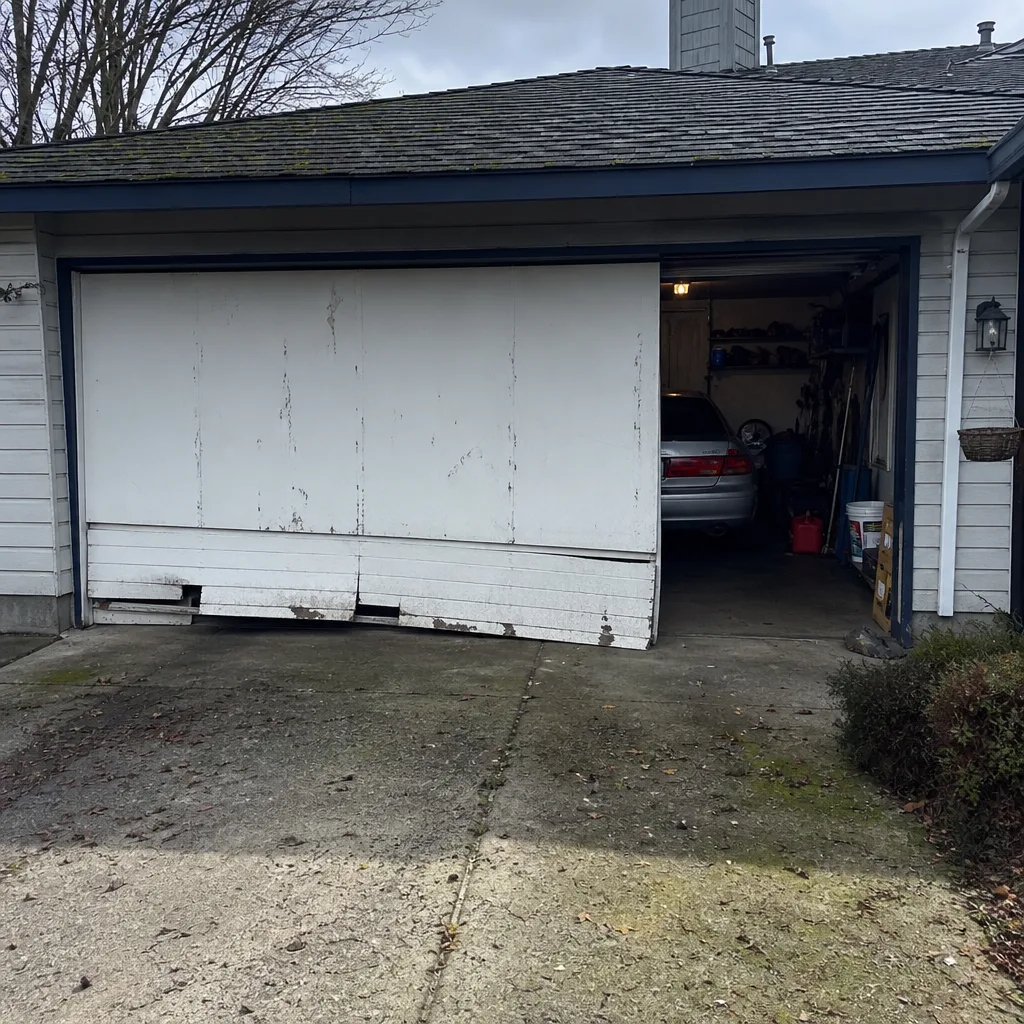
See the difference
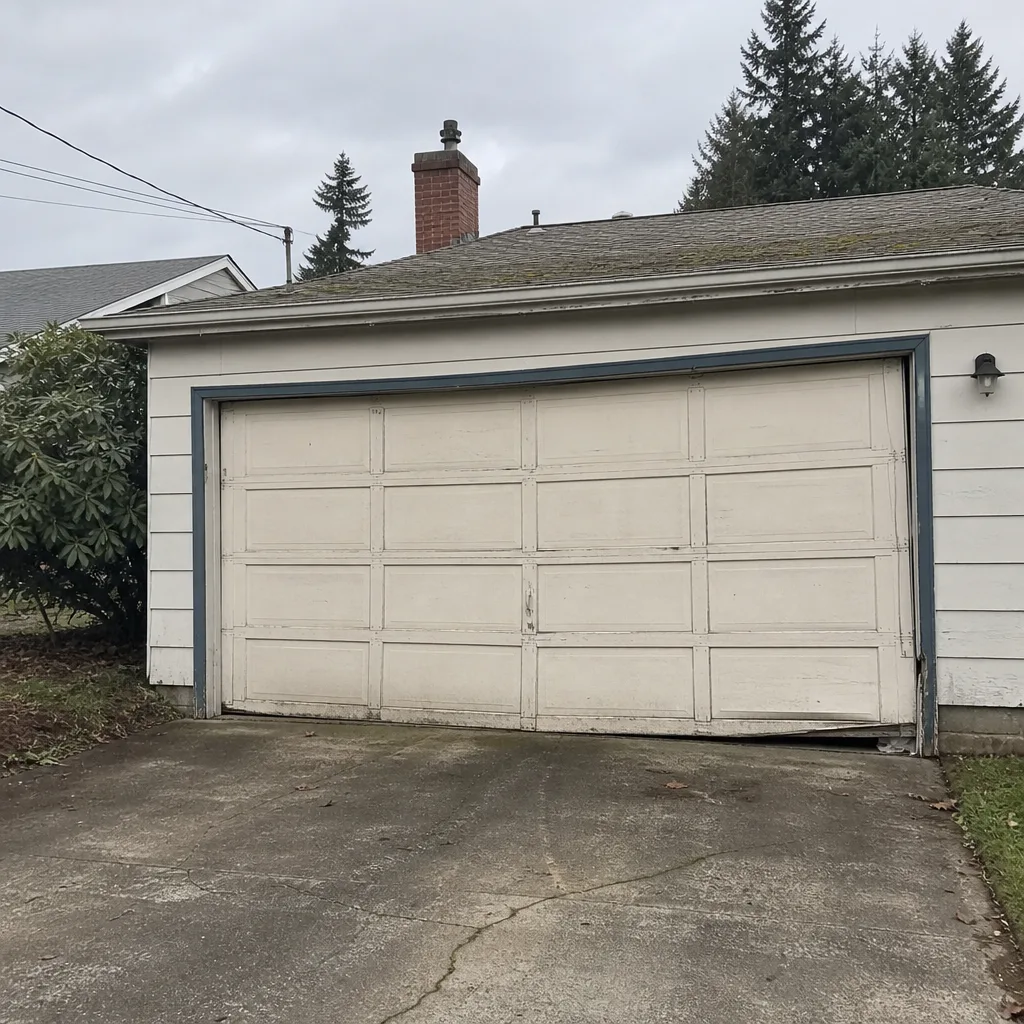 Before
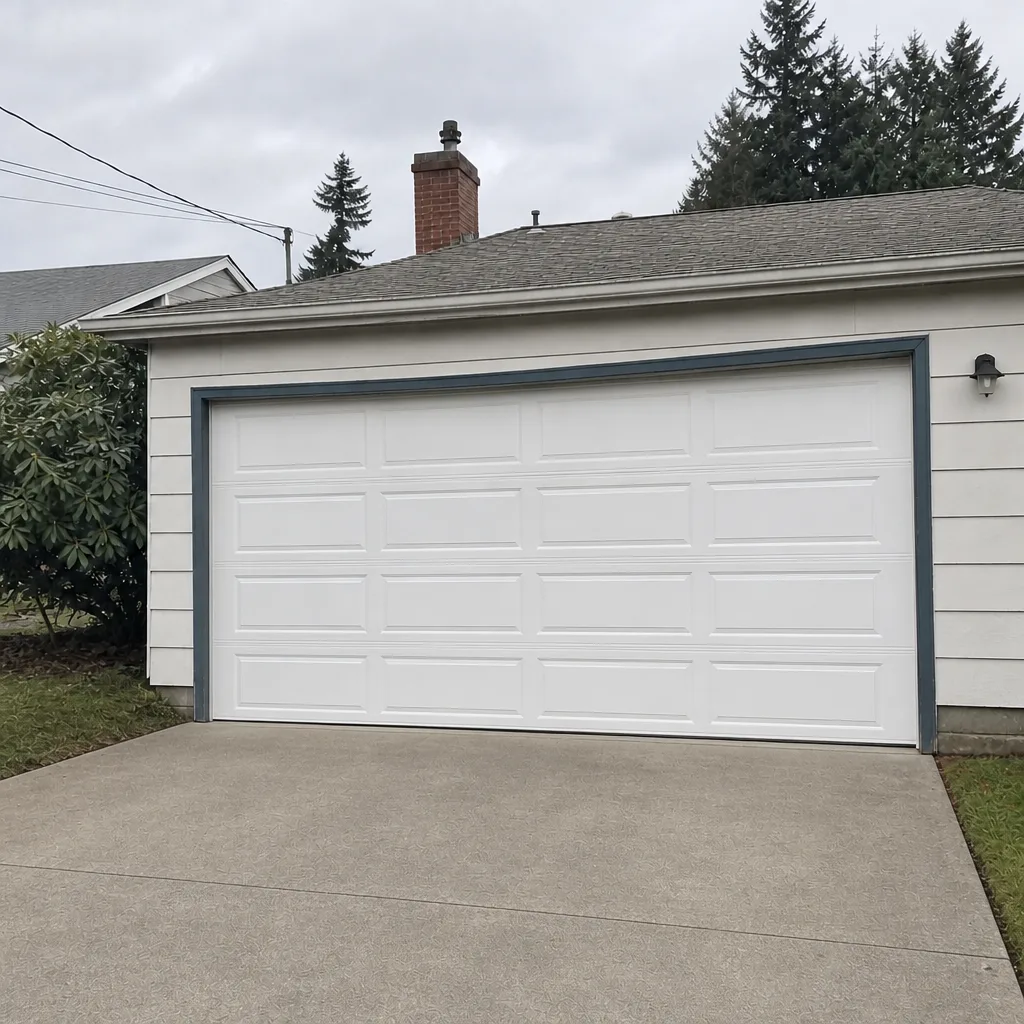 After
 Before
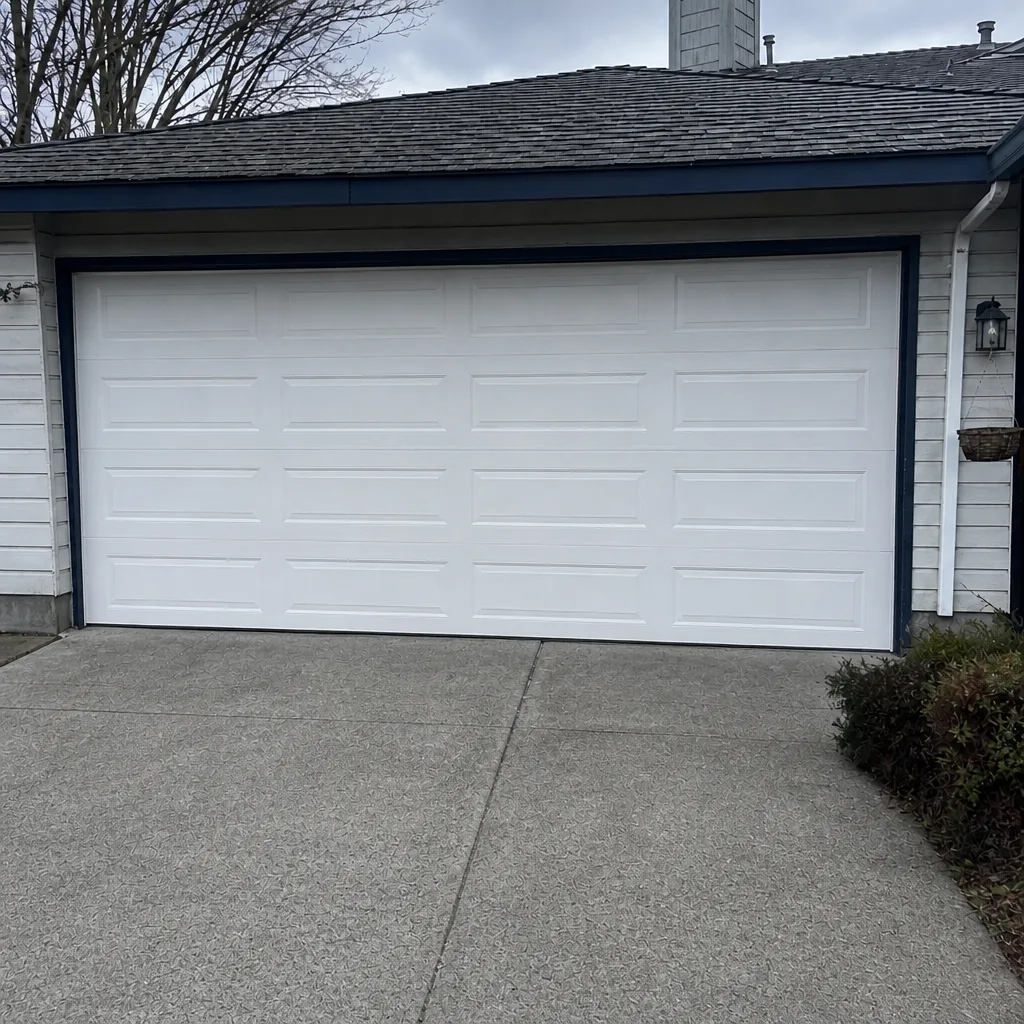 After
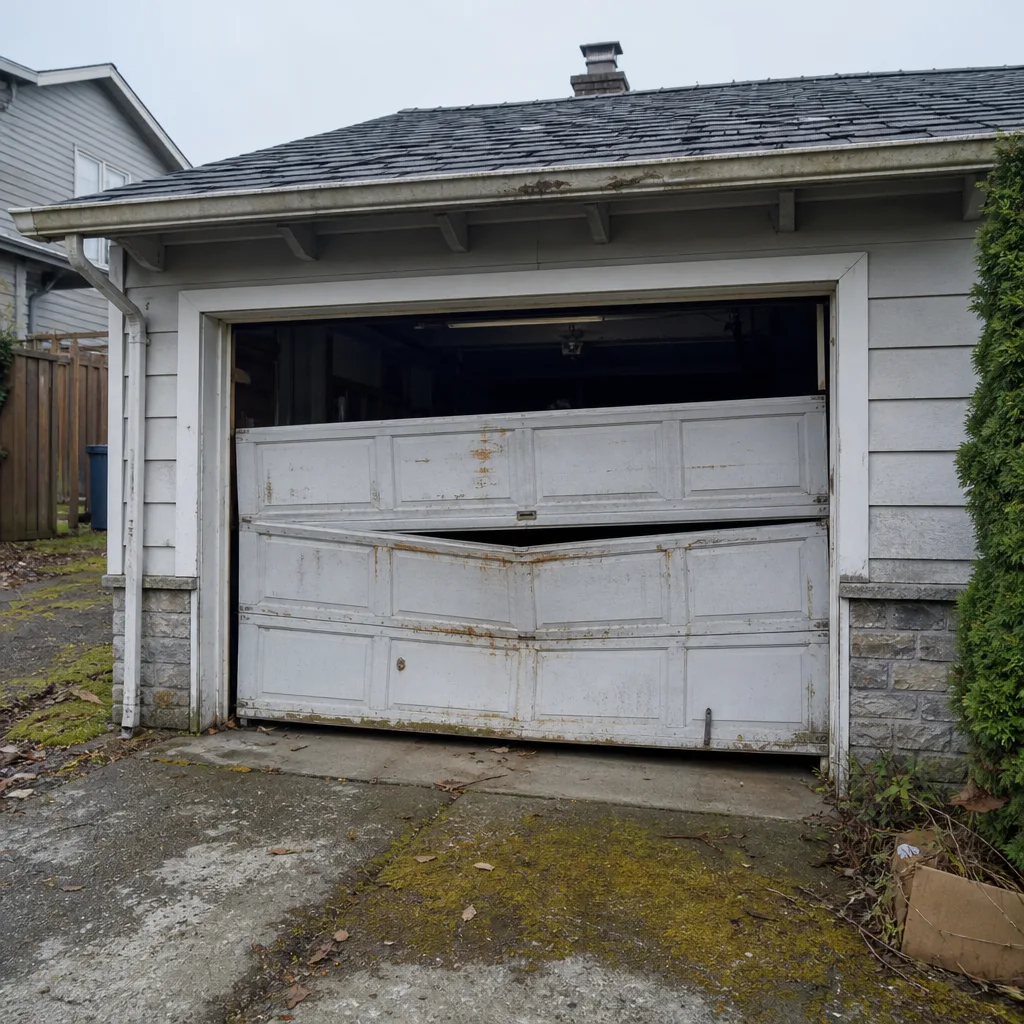 Before
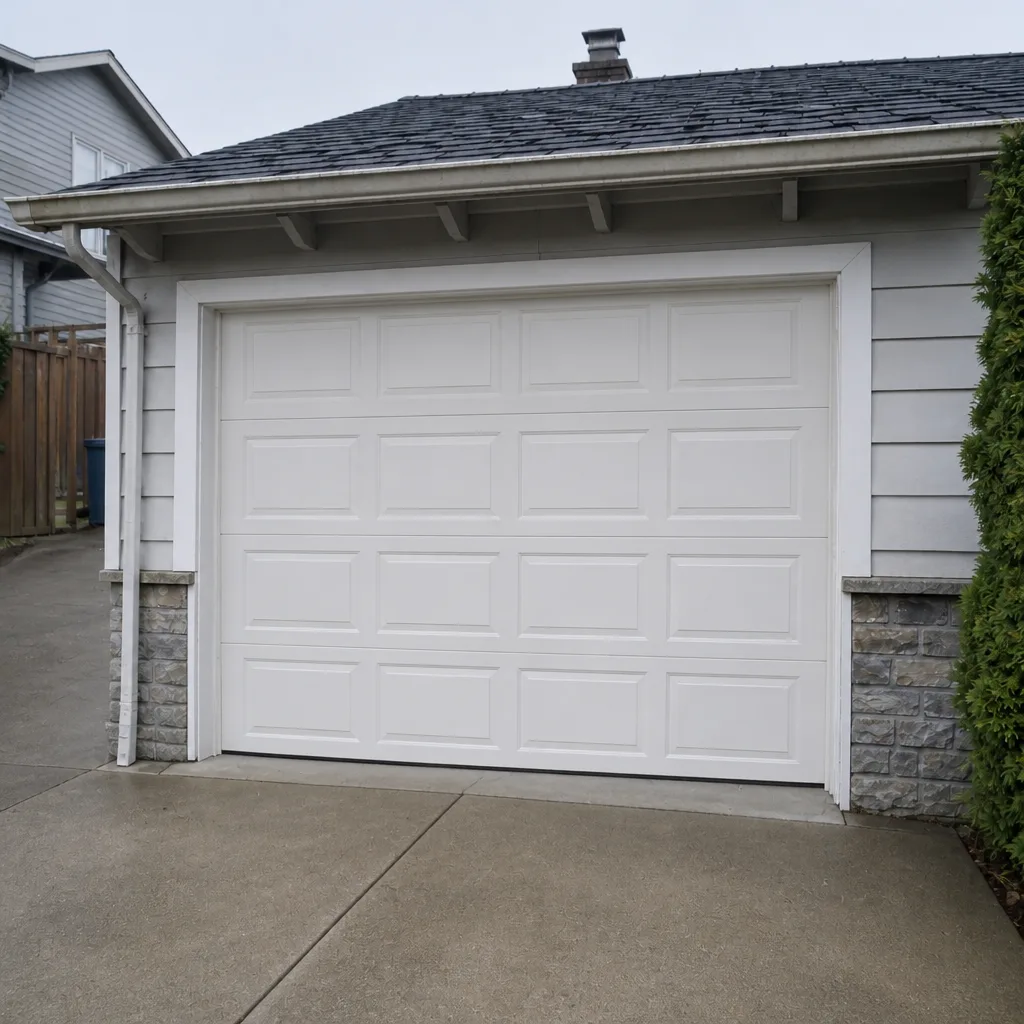 After
Common Mistakes to Avoid
- Pulling the manual release with the door partially open. The door will drop. If you need to disengage the opener, close the door fully first. There is no safe shortcut around this rule.
- Forcing a door with a broken spring. A door with no spring counterbalance can weigh well over two hundred pounds, and the tracks aren’t designed to guide that weight without it. You will hurt yourself or bend the door. Leave it alone and call a specialist.
- Standing under a door that’s stuck open. If the spring is compromised or the cables are slack, the door can drop without warning. Keep children and pets out of the opening, and don’t walk under it to get out a ladder or a box.
- Repeatedly cycling an opener that won’t lift the door. If the opener runs but the door doesn’t move, the motor is straining against a load it wasn’t designed for. Unplug it. Every extra cycle is wear on the opener’s gears and capacitor.
- Ignoring a small seal gap until the next storm. A gap the width of your thumb is enough to let wind-driven rain in. In Tacoma, that leads to wet floors and rusted hardware. Fix the seal in dry weather, not during the storm.
- Assuming every opener has a battery backup. Some do, many don’t. Check the model before the power goes out. It’s the difference between a door you can open and a door you can’t.
- Treating a garage door like a general handyman job. Springs, cables, and torsion hardware are the most mechanically dangerous parts of the door, and they’re under load even when the door is closed. Use a garage door specialist, not the guy who also hangs drywall.
When to Call a Professional
Call for help the moment you see any of these: a broken spring (visible gap in the coil), a door that won’t stay closed or won’t stay open, a door that’s off its tracks or visibly crooked, a manual release that won’t disengage, a door that reverses before hitting the floor, or an opener that runs but doesn’t move the door. Also call if a storm has dropped a limb on the door or you’ve backed into it hard enough to bend a panel.
If it’s a power outage and you can operate the door manually with the release cord, you may not need a technician at all - wait for power and test the door. But if the door feels heavy, won’t lift, or has a visible spring gap, that’s a real problem and it needs a specialist. Every spring on a residential door is under load, and the wrong move on a torsion spring can cause serious injury. Don’t test it.
Tacoma Garage Door Repair Pros offers free estimates in Tacoma, and we cover the full range of services - emergency response, repair, opener repair, spring repair, and installation - with technicians trained to work on the brands that are actually on your door. Call (844) 709-1359. We answer 24/7. Fast dispatch from 7am to 7pm, Sunday through Friday.
Frequently Asked Questions
Leave the door where it is, unplug the opener, and keep people and pets away from the opening. Don’t try to open the door manually - with the spring gone, the door’s full weight is on the tracks and cables, and lifting it can drop it or wrench it off the rails. Then call a specialist. Call (844) 709-1359 for a free estimate and we’ll get a trained technician out to replace the spring safely.
Typical spring replacement in Tacoma runs about $180 to $340 for a single spring, depending on door size and spring type. A matched pair is usually replaced together, and a pair costs about twice that. The written estimate you get before any work starts is the final price. Call (844) 709-1359 for a free estimate - estimates are free.
For urgent situations like a door stuck open, a door that won’t close, or a broken spring, we offer emergency garage door service with same-day availability. Call (844) 709-1359. We answer 24/7. Fast dispatch from 7am to 7pm, Sunday through Friday.
No. The written estimate you agree to before any work starts is the price. If the technician finds something else that needs attention - a bent track, a damaged panel, a worn-out seal - they’ll show you and price it separately so you decide before anything else happens. No surprise invoice.
The local professionals we connect you with are licensed and insured as their state requires, and they’re trained specifically on garage door systems rather than as general handymen. Our technicians have up to 15 years of experience and work on every major brand, including LiftMaster, Chamberlain, Genie, Craftsman, Raynor, Clopay, Amarr, and Wayne Dalton. Call (844) 709-1359 for a free estimate.
Look for a battery compartment on the opener head or a separate battery unit mounted nearby. Many LiftMaster and Chamberlain openers sold in the last several years include one. If your opener is older or you’re not sure, look up the model number on the sticker at the back of the unit. If you’d rather have someone check, call (844) 709-1359 and we’ll help you identify it during a free estimate visit.
The Bottom Line
Garage door emergencies in Tacoma follow predictable patterns. Power outages, broken springs, seal failures, and stuck doors cover the vast majority of calls we see. The difference between a calm recovery and a costly mistake is knowing three things before anything goes wrong: where your manual release is, what kind of spring you have, and which opener model is on your ceiling. Once you know those, every scenario in this guide becomes a short sequence of steps instead of a panic. And when the problem is a broken spring or a door that won’t move safely, don’t force it - call a garage door specialist and let trained hands handle the tension. Call (844) 709-1359 for a free estimate. We answer 24/7. Fast dispatch from 7am to 7pm, Sunday through Friday.
Written by the team at Tacoma Garage Door Repair Pros.